


Trump’s Iran Gambit Just Blew up in His Face as Gas Prices Hit $4.42 and Inflation Soars to a Three-Year High
It's not looking good.
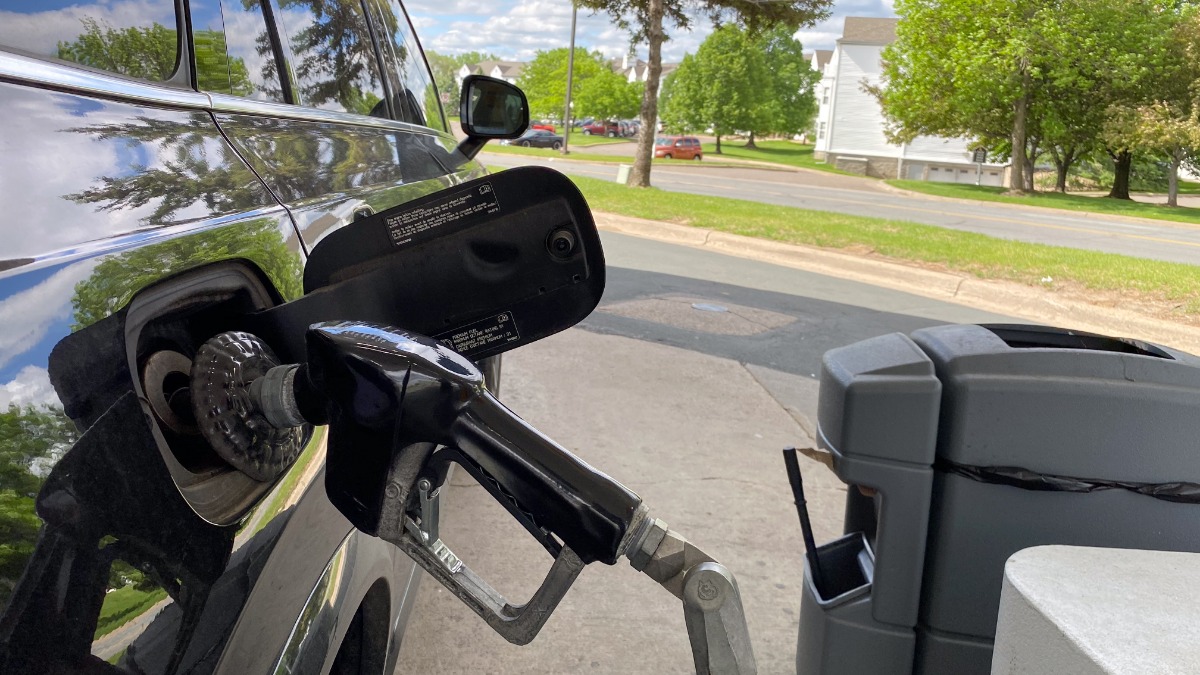
Donald Trump’s Iran strategy just backfired as gas prices hit $4.42 and inflation climbed to a three-year high. The latest economic data shows inflation surging to 3.8% in April, the fastest annual increase since May 2023, with gasoline prices leading the charge.The average gallon now costs $4.42, up from $2.98 before the U.S. and Israel started the war on Iran on February 28.
The Personal Consumption Expenditures Price Index, the Federal Reserve’s preferred inflation measure, jumped 0.4% in April alone, per Al Jazeera. That follows a 0.7% rise in March, meaning the trend isn’t slowing down. Goods prices climbed 0.7% overall, but the real kicker was at the pump, where prices spiked 5.5% in just one month. Food prices also ticked up 0.5%, the biggest monthly increase since November 2022, and housing costs rose 0.6%.
Consumer spending is still holding up, rising 0.5% in April, but that resilience comes at a cost. The savings rate dropped to 2.6% last month, meaning more people are dipping into their reserves just to keep up.
It’s a perfect storm of rising costs, and Americans are feeling it in their wallets
With inflation running hot, the Federal Reserve is under serious pressure to act, especially ahead of its June 16-17 policy meeting under new Chair Kevin Warsh. The central bank has been aiming for 2% inflation, but at this rate, that target feels increasingly out of reach.
Olu Sonola, head of U.S. economics at Fitch Ratings, put it bluntly, “The inflation picture is becoming increasingly uncomfortable for the Fed. Price pressures are likely to persist over the next few months, and while the Fed cannot fix a supply shock, it cannot ignore one that is feeding into underlying inflation.”
The Fed’s minutes from its late April meeting already showed policymakers leaning toward rate hikes, and the latest data isn’t doing anything to change that mindset. JPMorgan Chase analysts now expect rates to stay in the 3.50-3.75% range well into 2027, with a potential hike rather than a cut on the horizon.
Despite the grim inflation numbers, U.S. markets are holding steady
The Nasdaq is up 0.6%, the S&P 500 is up 0.5%, and the Dow Jones Industrial Average is nearly flat, up just 0.05% in midday trading. It’s a small silver lining in an otherwise bleak economic picture, but it doesn’t change the fact that everyday costs are climbing faster than wages. Adjusted for inflation, incomes actually slipped 0.1% in April, meaning Americans are bringing home less in real terms.
ABC News reports that the core inflation rate, which strips out volatile food and energy prices, rose to 3.3% in April, the highest since November 2023. That’s not the kind of progress the Fed wants to see, especially when its 2% target feels like a distant memory. The one bright spot, core prices only rose 0.2% from March to April, but that’s cold comfort when the broader trend is still moving in the wrong direction.
This inflation surge is a political issue too
With midterm elections looming, rising costs could spell trouble for congressional Republicans, who are already facing an uphill battle. Voters don’t care about abstract economic theories, they care about the price of gas, groceries, and rent. And right now, those prices are heading in the wrong direction.
The White House hasn’t commented on the latest inflation report, but the silence speaks volumes. There’s no easy fix here, especially when the root cause is a geopolitical conflict that shows no signs of cooling down. The U.S.-Israel strikes against Iran were supposed to send a message, but instead, they’ve sent gas prices soaring. If this is the cost of flexing military muscle, Americans are paying the price at the pump and the checkout line.
For now, the Fed is stuck between a rock and a hard place. Hiking rates could cool inflation but risk slowing the economy even more. Keeping rates steady might avoid a recession but do little to tame rising prices. Either way, consumers are left holding the bag. The question isn’t whether inflation will ease soon, it’s whether Americans can afford to wait. With savings dwindling and wages stagnant, the answer isn’t looking promising.
The stock market’s resilience might offer some comfort, but it’s a poor indicator of how most people are faring. The Nasdaq and S&P 500 are up slightly, but those gains don’t translate to lower gas bills or cheaper groceries. The Dow’s near-flat performance is a better reflection of the uncertainty hanging over the economy. Investors are waiting to see how the Fed responds, but for everyday Americans, the wait is already taking a toll.
(Featured image: Tony Webster)
Have a tip we should know? [email protected]
Follow The Mary Sue:
