


Americans are paying $4.5 a gallon for gas but Trump’s only focus is Iran’s nukes, not your wallet
Not his problem.
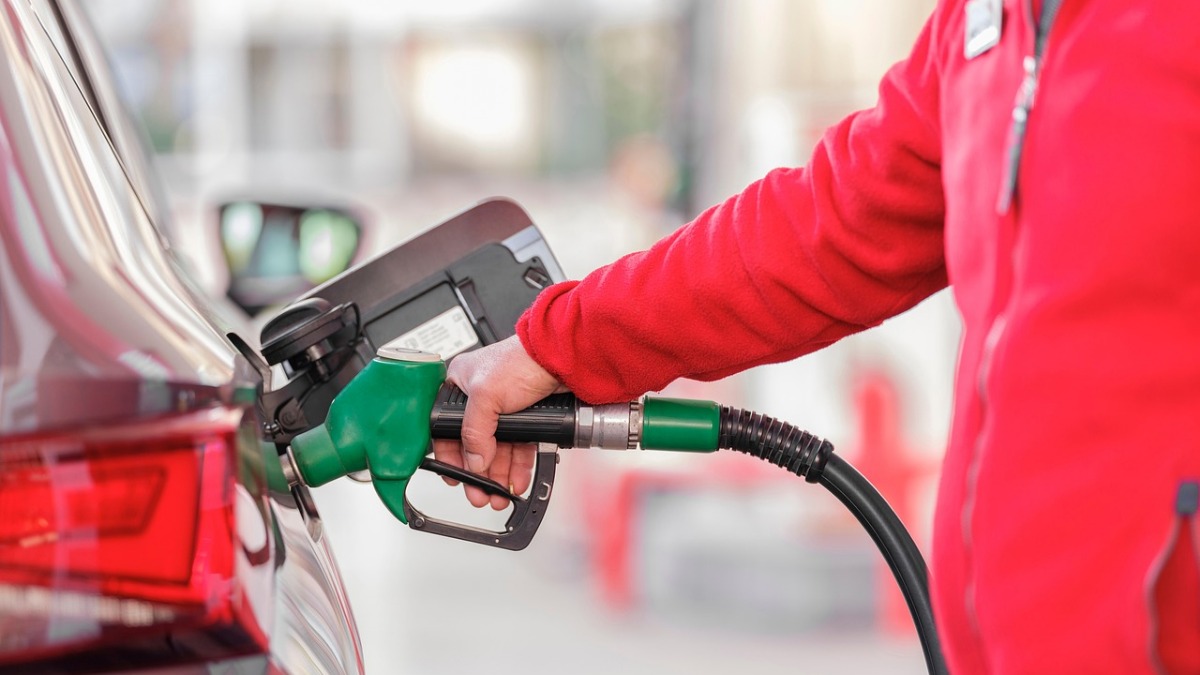
Americans are shelling out $4.50 for a single gallon of gas, but the White House seems more fixated on Iran’s nuclear program than the pain at the pump. That’s the blunt takeaway after the president made it clear this week that the financial struggles of everyday people aren’t even a blip on his radar.
When asked about the economic strain caused by the ongoing Iran war on May 12, 2026, Donald Trump’s response was as straightforward as it was jarring. “The only thing that matters when I’m talking about Iran is they can’t have a nuclear weapon,” he said, according to The Guardian. “I don’t think about Americans’ financial situation. I don’t think about anybody. I think about one thing: We cannot let Iran have a nuclear weapon. That’s all.”
The remarks came just hours after new data revealed that U.S. inflation had surged to 3.8% in April, the highest rate in three years, with energy costs leading the charge. If you’ve filled up your tank recently, you’ve already felt the sting. Gas prices have climbed to an average of $4.50 a gallon, the highest in four years, according to AAA.
That’s not just a number on a sign
It is money that’s not going toward groceries, rent, or savings. And it’s not just gas. Food prices are up nearly 4%, electricity bills have jumped, and airlines have hiked fares by more than 20%. The cost of living is rising across the board, and the administration’s messaging on when, or if, relief is coming has been anything but consistent.
Back in March, Energy Secretary Chris Wright suggested that fuel prices could return to prewar levels by summer. Fast forward to April, and he was saying prices dipping below $3 a gallon “might not happen till next year.” When asked for his own forecast, the president offered a vague prediction that prices could go lower, “or the same, or maybe a little bit higher,” by November.
Kevin Hassett, the president’s top economic adviser, struck a more optimistic tone over the weekend, claiming that relief was coming “relatively quickly and certainly ahead of the election.” He even went so far as to say the president had personally assured him the “war is close to being over.”
Just days earlier, Secretary of State Marco Rubio took a different approach, suggesting that Americans should consider themselves lucky. Other countries, he argued, are suffering “big time,” and the U.S., as a net oil exporter, is “very fortunate” and “insulated to some degree” from the worst of it. That might be cold comfort to families watching their budgets stretch thinner by the week
The economic fallout from the conflict is a global problem
Inflation is accelerating in Australia, Canada, and South Korea. British households are bracing for another cost-of-living crisis, and Asian manufacturers are already passing higher costs down the supply chain. The University of Michigan’s latest consumer sentiment survey found that confidence has slid to levels last seen in 2022, when inflation hit its highest point in a generation due to pandemic-related disruptions.
This time around, the culprit is the war in the Middle East, which has sent energy prices soaring and disrupted global supply chains. The president, however, remains unfazed. His public appearances in recent weeks have been a mix of stock market boasts, dismissals of inflation concerns, and even an update on the rising cost of a new White House ballroom.
On May 12, he doubled down, insisting that his economic policies were working “incredibly” and that once the war ends, Americans would see the payoff. “When this war is over, oil is going to drop, the stock market is going to go through the roof, and truly, I think we’re in the golden age right now,” he said. “You’re going to see a golden age like we’ve ever seen before.”
The war shows no signs of ending anytime soon, and Iran’s latest response to U.S. peace proposals was deemed “totally unacceptable” by the president. Tehran has suggested a shorter moratorium period and refused to dismantle its nuclear facilities, which means the standoff and the economic fallout could drag on for months, if not longer.
The closure of the Strait of Hormuz, a critical chokepoint for global oil shipments, has only added to the pressure. A fifth of the world’s oil and gas typically passes through the strait, and its ongoing closure has sent crude prices climbing, with no clear end in sight.
The Federal Reserve, meanwhile, is caught in a bind
The central bank has long targeted an inflation rate of 2%, but prices have stubbornly remained higher. The incoming Fed chair, Kevin Warsh, has made it clear he supports lower interest rates, which would make borrowing cheaper for consumers and businesses. But with inflation still running hot, convincing the rest of the Fed’s voting members to cut rates won’t be easy.
At its last meeting, only one member voted to lower rates, with the board citing slow job growth and uncertainty in the Middle East as key factors in its decision. Rates currently sit at a range of 3.5% to 3.75%, and Warsh’s confirmation as the new Fed chair is expected in the coming days.
For now, Americans are left to navigate the rising costs on their own. The midterm election season is heating up, and affordability is shaping up to be a defining issue. But if the president’s comments this week are any indication, don’t expect the White House to make it a priority.
(Featured image: Engin_Akyurt on Pixabay)
Have a tip we should know? [email protected]
Follow The Mary Sue:
