


The Pentagon Just Nuked Its Religious Recognition List, Changing How Thousands of Service Members Will Receive Spiritual Support
Major shift.
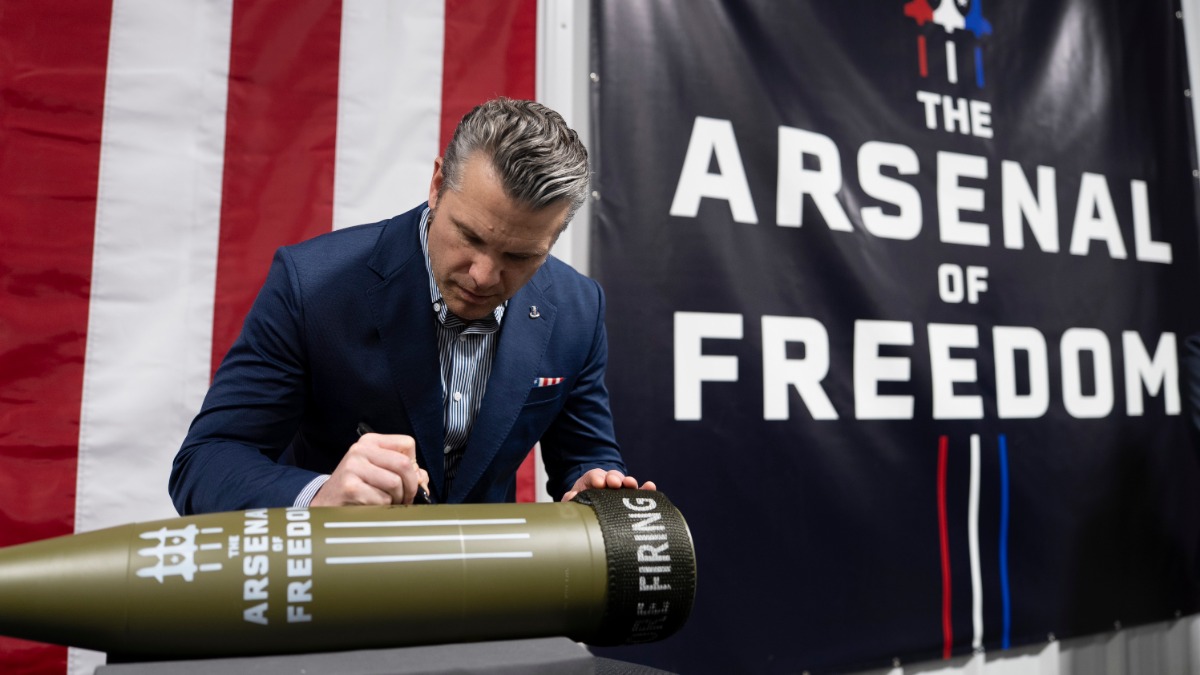
The Pentagon just slashed its list of recognized religions for service members, dropping 180 faiths in a move that will hit spiritual support. The Department of War confirmed the change in a June 4, 2026, memo from Undersecretary of Defense Anthony Tata, reducing the number of faith codes from over 200 to just 31, per Fox News. This overhaul, first announced by War Secretary Pete Hegseth in March, aims to simplify how chaplains deliver religious guidance to troops.
The new system keeps major faith groups like Christians, Muslims, Jews, Buddhists, Hindus, Sikhs, and Agnostics, along with several Christian denominations such as Baptists, Catholics, Lutherans, and Methodists. The update is meant to give chaplains clearer, more actionable information about the spiritual needs of service members. Tata’s memo explained that the change will “streamline the DoW collection of religious preferences” to “enhance the delivery of targeted religious support from the Chaplaincy.”
Hegseth had previously called the old system “impractical and unusable,” noting that the vast majority of military personnel – 82% of whom identify as religious – fell under just six of the existing faith codes. Many of the removed codes were rarely, if ever, used, making the bloated list more of a bureaucratic headache than a helpful tool. The secretary emphasized that the new list aligns with the original purpose of the system.
The move will help chaplains minister to service members in ways that match their beliefs
Alongside the faith code overhaul, the Pentagon is also making a visible change to how chaplains present themselves. Starting now, chaplains will replace their military rank insignia with their religious insignia on their uniforms. Hegseth framed this as a symbolic shift, saying, “A chaplain is first and foremost a chaplain, and an officer second.”
He added that chaplains are “first and foremost called and ordained by God,” and while they’ll still hold officer ranks, those ranks won’t be displayed. The move is meant to reinforce the idea that chaplains serve as moral and spiritual leaders before anything else.
The changes didn’t come out of nowhere. Back in March, Hegseth had already signaled that this was just the beginning of a broader effort to restore what he called the “esteemed position of chaplain as moral anchors of our fighting force.” According to Fox News, he described the reforms as “big progress” and said more adjustments are on the way. The goal, he said then, is to give chaplains the freedom to guide and care for service members without unnecessary restrictions.
For thousands, this shift will mean adjusting to a more streamlined system
If you’re part of a smaller or less common faith group, you might find your previous affiliation no longer listed. The Pentagon’s reasoning is that the old system had grown too unwieldy, with many codes sitting unused for years. By focusing on the faiths that actually represent the majority of troops, the military hopes to make spiritual support more effective and responsive.
That said, the change isn’t without controversy. Some critics might argue that reducing the number of recognized faiths could leave certain service members feeling overlooked or unsupported.
The Pentagon, however, insists that the new system will actually improve how chaplains connect with troops by removing the clutter of unused codes. Hegseth’s team has pointed out that the six most common faith codes already cover the bulk of religious service members, so the update shouldn’t leave many without options.
Hegseth’s March announcement had already set the stage for these updates, framing them as part of a larger mission to elevate the role of chaplains. He described their work as a “high and sacred calling,” one that requires both freedom and clarity to succeed. The new faith code system and uniform adjustments are just the first steps in what he hinted would be a continued effort to refine how spiritual support operates within the military.
For service members, the biggest takeaway is that the system is getting simpler
If you’re part of one of the 31 recognized faith groups, you can expect chaplains to have a clearer understanding of your needs. If your faith was among the 180 removed, you might need to find the closest match within the new list. The Pentagon’s hope is that this streamlined approach will make spiritual support more accessible and effective for everyone.
The military has always been a place where faith plays a significant role, and these changes reflect an effort to modernize how that role is supported. Whether you see this as a necessary cleanup of an outdated system or a reduction in options, one thing is clear: the way chaplains operate is evolving. And with Hegseth hinting at more reforms to come, this might just be the beginning of a broader transformation in how the military handles spiritual care.
(Featured image: SECWAR)
Have a tip we should know? [email protected]
Follow The Mary Sue:
