


San Francisco Train Operator Appears to Fall Asleep on the Job. Then He Crashes Into Another Train
Could a previous Muni fatigue incident have raised red flags before another operator appeared to fall asleep at the controls and crash into a train?
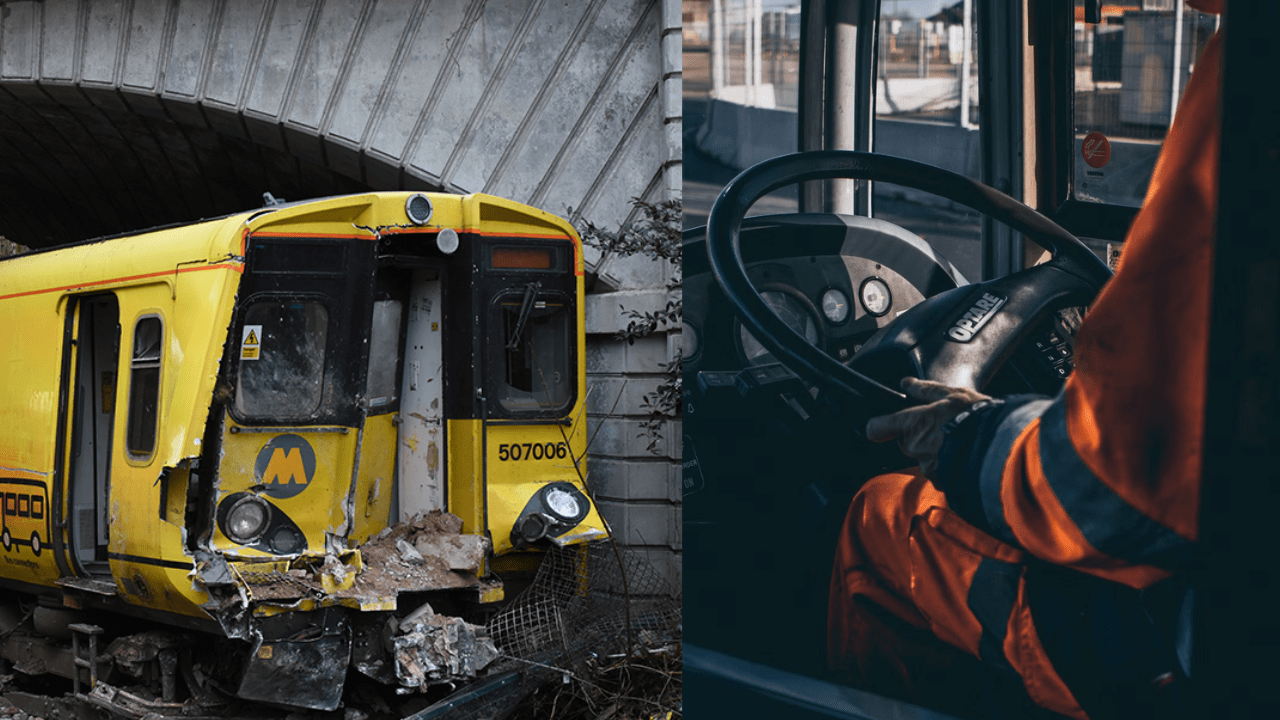
A San Francisco Muni operator appears to have fallen asleep while operating a train before crashing into another Muni train on July 31. Newly released onboard-camera footage appears to show the operator nodding off seconds before the train rear-ended another vehicle near 47th Avenue and Wawona Street in San Francisco’s Outer Parkside neighborhood.
The collision shattered the front windshield and jolted the operator awake. Two passengers were aboard the train, according to the San Francisco Chronicle, and they got off after the collision. No one reported any injuries.
The San Francisco Municipal Transportation Agency (SFMTA) said vehicle and infrastructure problems have been ruled out and that its initial determination was “operator error caused by fatigue.” The incident was one of several recent examples of transit safety problems caught on camera. The formal investigation remains ongoing, and the operator has been placed on non-driving status while the agency investigates the crash in coordination with the California Public Utilities Commission.
The footage is concerning, especially after what happened last year
The video appears to show the operator’s head dropping as the train moves along the track. Moments later, the train crashes into the vehicle ahead, with the impact sending the operator forward and shattering the windshield.
SFMTA Director of Transportation Julie Kirschbaum called the incident unacceptable and said the agency would take appropriate action once the investigation is complete. The agency has not identified the operator publicly, and there has been no final determination about what led to the crash.
The latest incident is notable because Muni dealt with a similar situation in September 2025. An N-Judah operator appeared to fall asleep while driving a crowded train during the morning commute, with the train reaching about 50 mph as it exited the Sunset Tunnel near Duboce Park. Several passengers fell when the train suddenly jolted, although it did not derail.
SFMTA’s investigation into that incident found that operator fatigue was the cause. The agency also determined that the train’s braking system had worked as designed, while inspections of the track and related infrastructure found no mechanical or system problems.
After that incident, SFMTA said it would reinforce training designed to help employees recognize signs of fatigue. The agency also said it was working with Siemens, the manufacturer of its newer light rail vehicles, on software that could limit speeds at certain locations.
Muni already had a fatigue program before the latest crash
Fatigue was not a new safety concern for SFMTA when the September 2025 incident occurred. The agency already had measures in place to address operator fatigue, and it subsequently expanded its response by increasing random video reviews of operators and adding additional rest time to operator shifts.
SFMTA has also continued fatigue-awareness campaigns and routine safety training, meaning the agency has now added several layers of oversight since the first incident. Those measures aim to identify unsafe behavior and give operators more time to rest and stay alert while working. Workplace safety incidents can take on a very different dimension when the job involves transporting hundreds of people.
That makes the July collision more significant than a standalone crash caught on camera. It is the second reported incident in less than a year involving a Muni operator appearing to fall asleep while a train was moving, after the agency had already identified fatigue as the cause of the earlier incident and introduced additional measures to address the risk.
It is still too early to say whether the two incidents point to a larger problem with Muni’s fatigue policies. SFMTA’s investigation into the July crash is ongoing, and the agency says it will determine what further action is appropriate once that investigation is complete.
Have a tip we should know? [email protected]
Follow The Mary Sue:
