


Roommate says a friend ate their saved cake without asking, then wanted them to pay a $1,600 ambulance bill: ‘You couldn’t have stuck a note?’
The roommate allegedly told them 'You poisoned me' after the dispute over the bill spread through their friend group.
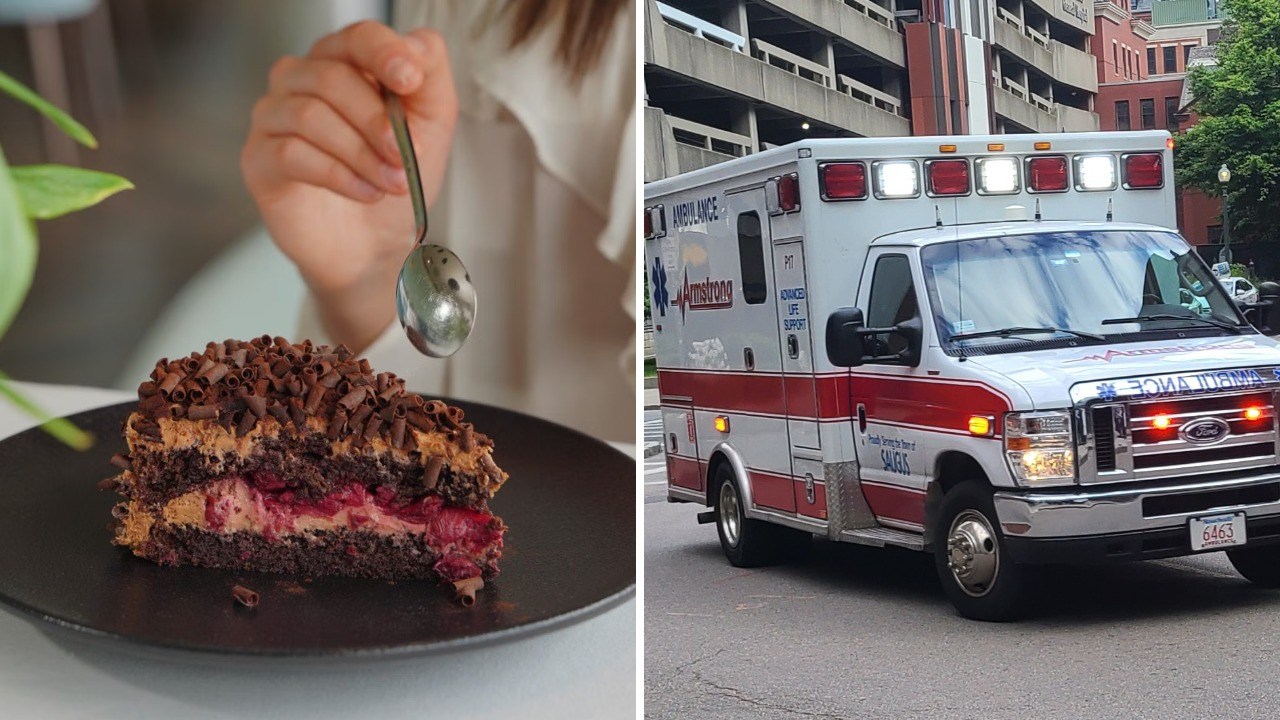
A user says a roommate ate a cake from the fridge in their room, suffered an allergic reaction and then asked them to pay a $1,600 ambulance bill. In a Reddit post, the user asks readers whether to help cover the cost. The roommate accused them of causing the reaction, the user writes.
By the user’s account, the two were friends before they moved in together. They agreed not to share groceries, and each keeps a mini fridge in their own room. The user adds that the roommate is allergic to peanut butter and that they knew about it.
A peanut butter cake had been sitting in the user’s fridge, saved for later, without a note. Nothing on the outside showed that it contained peanut butter, the user writes. They spent the evening out with friends and the cake stayed on their mind, and when they got home they found the fridge empty and the plate thrown away.
The user says the bill arrived after an apology
The user went to the roommate’s door prepared to be angry, they write, and found his face red and puffy. He had just returned from the hospital after calling an ambulance, and the user says the reaction was not serious. The user states that he apologized, telling them, “I’m sorry. I shouldn’t have eaten it. I’ll get you another one.”
The roommate then sent a photo of the $1,600 ambulance bill, a kind of charge also seen in a man’s $1,080 ambulance bill, the user states. He asked them to pay it. “You know I’m allergic. You couldn’t have stuck a note on it?” the roommate asked, the user alleges.
The user answered, “You went into my room and ate my cake without even asking.” By the user’s account, the roommate replied, “You poisoned me,” and the user then responded with a profanity. Roommates have weighed in on fridge disputes before, as when a Houston woman left meatballs in the fridge for nearly a week.
Since then, the dispute has spread through their friend group, who keep telling the user to at least help pay. The user writes that they cannot prove whether he looked at the cake first or considered asking, and adds that he is unlikely to tell them either way. All details are based on the user’s account, which presents only their version of events.
Cleveland Clinic’s peanut allergy emergency guidance lists signs of anaphylaxis that include shortness of breath, wheezing, throat tightness, hoarseness and trouble swallowing. It also names significant swelling of the lips or tongue, hives or redness over large areas, repeated vomiting, severe diarrhea and dizziness. Fainting, a weak pulse, pale or bluish skin and confusion appear on the same list.
The guidance states that a reaction can come on suddenly or start with mild symptoms that get worse. For anaphylaxis, it says to give epinephrine right away and then call 911, and it advises against waiting for severe symptoms to ease. A second dose may be needed if symptoms return or do not improve within about five minutes, but only if the person’s provider has included it in their plan.
The page adds that the effects of epinephrine are short-lived and symptoms can return, so the person should go to the emergency room even after feeling better. Hospital treatment may include more epinephrine, breathing treatments, IV fluids or other care.
A Peterson-KFF analysis of 2018 claims from large employer plans found that 51% of emergency ambulance rides carried an out-of-network charge. The No Surprises Act, in effect since 2022, bars most surprise out-of-network bills for emergency visits, but its protections do not cover ground ambulance services. In seven states, including California, Texas and Florida, more than two thirds of emergency ground ambulance rides resulted in an out-of-network charge.
Have a tip we should know? [email protected]
Follow The Mary Sue:
