


Pope Leo XIV undergoes 90-minute surgery to remove part of his lung. Then the Vatican confirms the diagnosis is adenocarcinoma
A fighting spirit.
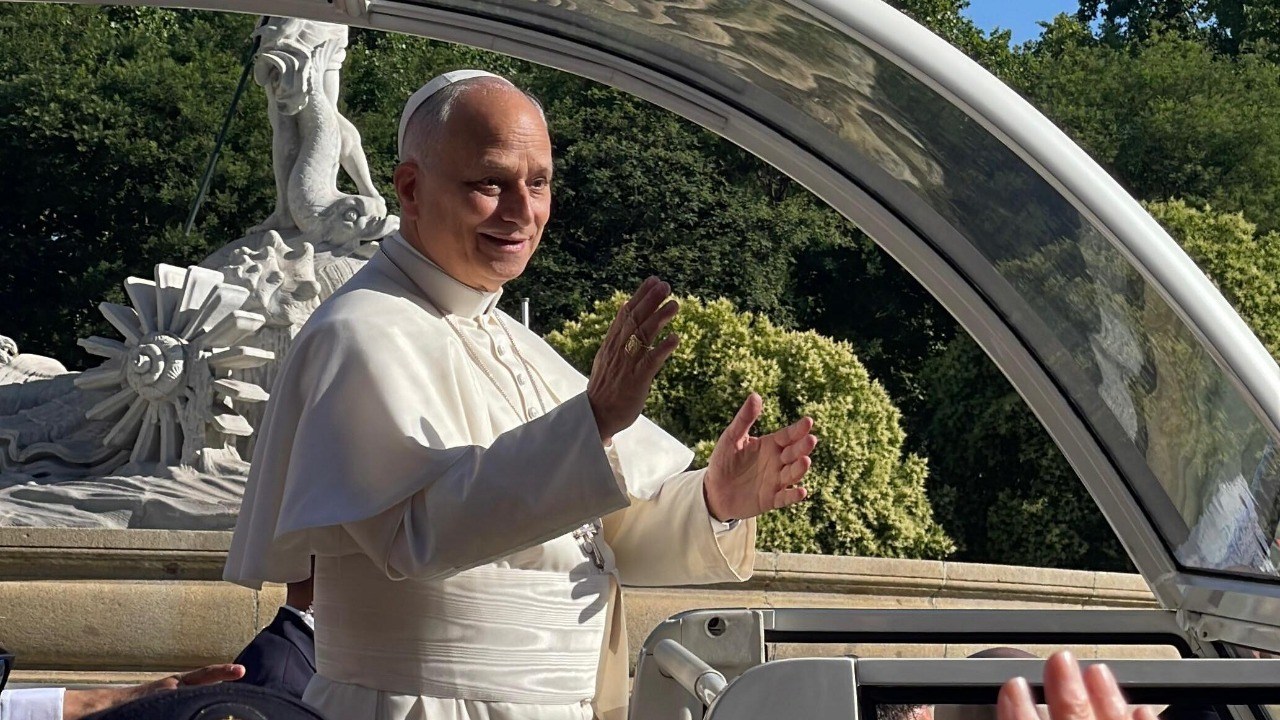
Pope Leo XIV successfully underwent a 90-minute surgery to remove a cancerous growth from his right lung. According to NPR, the Vatican confirmed that the procedure took place on Tuesday, October 13, 2026, at Gemelli Hospital in Rome. Doctors removed the entire lower lobe of the Pope’s right lung during the operation. Post-surgical examination of the tissue confirmed a diagnosis of lung adenocarcinoma. Medical teams had suspected as much based on pre-operative tests.
In a statement, the Vatican reported that the operation was successful and free of complications. After a short observation period, the Pope woke up normally and returned to his room on the 10th floor. He is expected to stay in the hospital for about a week. It is a relief that he is already showing signs of progress. By Wednesday, he resumed his regular diet and started walking in his room. He even celebrated Mass with his secretaries in a special chapel set up on the floor.
Leo is 71 years old, but remains quite active for his age. He works out weekly and enjoys playing tennis with his personal secretary. He also has a hobby of riding horses at the papal retreat in Castel Gandolfo.
These habits will likely aid Pope Leo’s recovery
According to the Associated Press, the right lung has three lobes, and the left has two. Surgeons are confident that the remaining tissue can compensate for the missing lobe. This is especially true for someone with his fitness level.
The Pope has been remarkably transparent about this health journey. He personally announced the news of his upcoming operation on Sunday from the balcony in St. Peter’s Square. He told the public that the nodule was contained and found at an early stage. This is a big break from the long-standing tradition of Vatican secrecy.
Historical figures like St. John XXIII and St. John Paul II saw their serious health conditions kept hidden for years. Church historian Giovanni Maria Vian called the Pope’s announcement a revolution. It felt like the leader was reading his own medical bulletin to the world.
Adenocarcinoma is the most common form of lung cancer in the US
Pre-operative tests included a robotic bronchoscopic biopsy, a CT scan with contrast, and a PET scan. These advanced tools help doctors determine the scope of the illness. Experts noted that adenocarcinoma is the most common form of lung cancer in the United States. It accounts for about 40% of all cases.
While the Pope’s diagnosis is clear, the exact stage is still being determined. Doctors likely removed some lymph nodes during the surgery to check for any spread. Those results have not been made public as of now.
The Pope has no history of smoking. However, there is a clear history of cancer within his family. His mother, Mildred, passed away from cancer in 1990 at age 77. The Vatican also shared that his older brother, Louis, is currently hospitalized with cancer in Florida.
Despite these genetic factors, the pontiff had no symptoms of infection or illness before the discovery. Cardinal Kikuchi Tarcisio Isao of Tokyo visited the Pope on Monday. He said the leader felt nothing wrong physically during their audience.
The news has resonated strongly with Catholics across the globe
According to the BBC, large crowds gathered outside the hospital on Tuesday to show their support. The Pope even waved and smiled at well-wishers from his car window. Some people expressed genuine shock at the news. Many felt that the Pope was a younger and healthier figure when he was first elected. It serves as a reminder that even leaders are vulnerable to health challenges.
Questions now surround a planned trip to Latin America in early November. The itinerary covers Uruguay, Argentina, and Peru. It spans over 31,000 kilometers and includes multiple flights and helicopter rides.
Peruvian President Keiko Fujimori mentioned that the recovery might necessitate changes to the schedule. The Pope is especially fond of Peru, where he spent many years as a missionary. While everyone hopes for a swift recovery, the logistics of such a long trip are demanding.
The Vatican has cleared his public schedule until at least October 20. This gives him the necessary time to focus on healing. Medical experts suggested that 15 to 20 days of recovery are typical for this type of surgery. If the cancer is confirmed as Stage 1, travel might still be possible. However, if further treatment like chemotherapy or immunotherapy is required, plans will likely change. For now, the priority remains his health.
Have a tip we should know? [email protected]
Follow The Mary Sue:
