


NYC Mayor Mamdani unearths 170,000 pages of 9/11 files, revealing exactly what officials hid from sick first responders for twenty years
Two decades on.
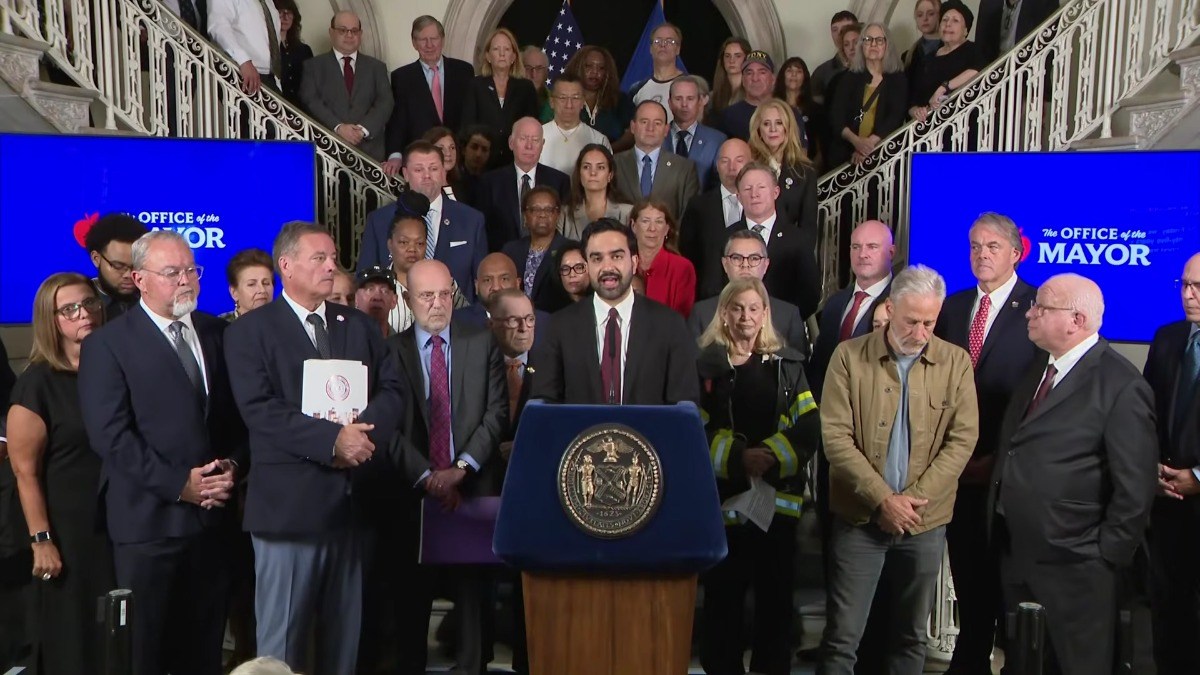
In a monumental shift for transparency, New York City Mayor Zohran Mamdani has officially released more than 170,000 pages of municipal records that have been shielded from the public for decades. According to The Guardian, these documents, which detail the city’s internal knowledge regarding air quality and health hazards following the 9/11 attacks, are now accessible through a newly launched online portal.
This development came on Tuesday, September 8, 2026, just three days before the 25th anniversary of the tragedy. It provided a long-awaited look at exactly what officials knew while the public was being told the air was safe. The release of these records is the direct result of two lawsuits pursued by 9/11 Health Watch, which fought for years to gain access to the information. Mamdani emphasized that the city’s past refusal to share this data has caused immense harm to those who were on the front lines.
During a press conference, Mamdani did not mince words about the gravity of this discovery. He noted that the devastating truth is that the suffering did not end once the smoke cleared and the dust settled. He pointedly stated that people got sick because the leaders they trusted lied and told them they were safe to breathe in toxic air.
It is a staggering revelation that underscores a systemic failure to protect the people who needed it most
Late Nighter reported that among the massive cache of documents is an internal memo from October 2001, often referred to as the Harding Memo. This specific document is titled ‘Legislative Alternatives to the Fiscal Responsibility for 9/11’ and highlights how the city was already weighing its potential legal liability regarding air quality just weeks after the attacks.
Jon Stewart, who appeared alongside the mayor during the announcement, was blunt about the implications of this find. Stewart remarked that the city began the cover up three weeks in, in a memo. He noted that while he wanted to be fair to the city, the reality is that they only buried that information for twenty-five years.
The timing of this release is particularly significant as the nation approaches the 25th anniversary of the attacks, which claimed nearly 3,000 lives across New York City, Washington, and Pennsylvania. Congressman Jerry Nadler expressed his frustration with the long-standing lack of transparency, noting that he and his colleagues warned local and federal officials about the health risks posed by the toxins at the time.
According to Nadler, those warnings were not heeded. Now the public knows that city hall, led by former mayor Rudy Giuliani, predicted that thousands of responders and community members would face devastating long-term health impacts from these toxins.
The personal toll the secrecy has taken on the community is immense
City council member Gale Brewer said, “For 25 years, first responders, survivors, families, and people who lived, worked and went to school in lower Manhattan have lived with the health consequences of 9/11 while critical pieces of the city’s own record – HOW they got sick – remained out of reach. She praised the new portal as a great first step toward giving the public access to that record.
Ben Chevat, executive director, 9/11 Health Watch, credited Mamdani for beginning to answer the question that has haunted survivors for ages. He stated that for 25 years, four different mayoral administrations kept from the public, the US Congress, and the city council documents showing what the city knew about the danger of the toxic chemicals in lower Manhattan and western Brooklyn after the World Trade Center collapse. This occurred even as officials maintained that the air was safe.
The Daily Show host Stewart, who has dedicated over 15 years to advocating for 9/11 first responders and survivors, also reflected on how this information could have changed the narrative for those struggling to receive care. While he acknowledged that having the documents sooner might not have changed the medical outcomes for everyone, it would have made it much harder for officials to dismiss the experiences of those living and working in the area.
Stewart insisted that everyone knew, and now it is very clear that the city knew as well. He recalled how the poison was in the air, on the ground, in the windowsills, and in air conditioners, yet the struggle to get that reality recognized was an uphill battle for those who were sick and dying.
The release by Mamdani is a stark reminder of the importance of government accountability
For those who have suffered for years, these 170,000 pages represent more than just data. They are a confirmation of a reality that the city attempted to minimize for far too long. As the city marks the 25th anniversary, the focus will undoubtedly shift toward how this information will be used to support those still dealing with the health impacts of that day.
Mayor Mamdani’s decision to open these records is a significant, albeit late, step toward acknowledging the truth that has been hidden in plain sight since 2001. It is a somber but necessary moment for all New Yorkers.
Have a tip we should know? [email protected]
Follow The Mary Sue:
