


The 9/11 Plotters Will Finally Be Sentenced, but the Death Penalty Isn’t Guaranteed
25 years coming.
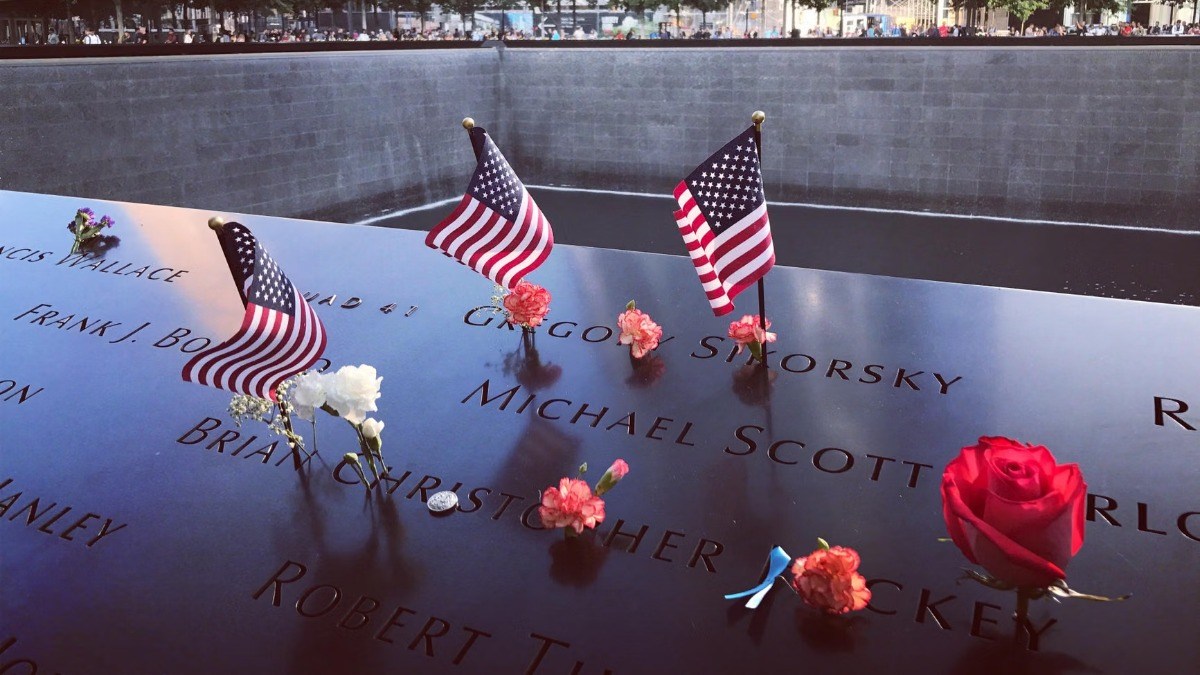
The legal saga surrounding the 9/11 attacks has reached a new and significant turning point with the formal scheduling of a trial date. After more than two decades of complex legal maneuvering, a military judge has officially set the trial for the alleged mastermind of the attacks, Khalid Sheikh Mohammed, and three of his co-defendants to begin on June 5, 2028.
This long-awaited development comes after years of stagnation at the Guantanamo Bay detention facility, where the accused have been held for much of the last twenty years. According to Al Jazeera, Air Force Lieutenant Colonel Michael Schrama issued the scheduling order on Wednesday, August 26, 2026, providing a roadmap for what will likely be a lengthy and intense military tribunal.
The order itself spans 11 pages and outlines a very specific timeline for how these proceedings will unfold. It is clear that the court is attempting to balance the need for justice with the massive amount of procedural work required to handle such a high-profile case.
Many have questioned why the decision has taken so long
The reality is that this case has been caught in a cycle of legal deadlock for many years. A primary reason for the delays involves intense disputes over evidence that was gathered while the detainees were held in secret CIA prisons. During their time in those facilities, the men were subjected to torture, which has created massive hurdles for prosecutors trying to ensure that any evidence used in court is admissible under the rules of military justice.
The path to this 2028 date was not a straight one, especially regarding the possibility of a plea deal. In 2024, Mohammed and two of his co-defendants reached an agreement that would have allowed them to plead guilty in exchange for avoiding the death penalty. However, that deal was short-lived. Then-Defense Secretary Lloyd Austin revoked the agreement just days after it surfaced, citing significant pushback from Republican lawmakers.
The situation became even more complicated when an appeals court stepped in last month to back the decision to scrap those deals. This ruling effectively pushed the case back toward a full trial, ensuring that the death penalty remains a potential outcome on the table. Because the appeals court blocked the plea agreements, the military tribunal must now move forward with a full trial process.
According to the order from Schrama, the first step will be the selection of a panel of military service members who will serve as the jury. Once that panel is seated, the opening statements are scheduled to follow 30 days later. The prosecution will then present its case, and the defendants will have the opportunity to file motions for findings of not guilty.
The structure of the trial also includes a specific buffer for the defense team
Once the prosecution finishes presenting its evidence, the defense will have a period of 60 calendar days to prepare and begin presenting its own case. This methodical approach is designed to ensure that both sides have the opportunity to argue their points and rebut the other side’s claims. The entire process is slated to conclude with a formal sentencing phase.
It is worth noting that the prosecution had originally pushed for an earlier start date, suggesting that the trial could begin in early 2027. Schrama ultimately rejected that request, noting that such a tight timeline would not provide enough space to address the many outstanding pretrial evidentiary and compliance motions. He explicitly stated, “A realistic trial date must account for the hearing and resolution of pretrial evidentiary and compliance motions,” acknowledging the sheer scale of the legal challenges remaining.
Alongside Khalid Sheikh Mohammed, the three other men facing trial are Walid Muhammad Salih Mubarak bin ‘Atash, Mustafa Ahmed Adam al Hawsawi, and Ali Abdul Aziz Ali. Mohammed remains the most high-profile inmate at Guantanamo Bay, which was established in 2002 by then President George W. Bush to house foreign militant suspects following the attacks.
Mohammed had strong ties with Osama bin Laden
Mohammed was a key lieutenant to al-Qaeda leader Osama bin Laden until he was captured by U.S. forces in Pakistan in March 2003. He spent three years in secret CIA custody before being transferred to the detention facility in 2006.
The accusations against the group are centered on the orchestration of the plot to hijack passenger jetliners and fly them into the World Trade Center in New York City and the Pentagon on September 11, 2001. Reuters reports that these attacks resulted in the deaths of nearly 3,000 people, and the memory of that day remains a central component of the legal proceedings.
It is clear that the military justice system is preparing for a trial that will be historic in its scope and impact. While the wait for these proceedings has been incredibly long, the upcoming trial represents the next, and potentially final, chapter in this decades-long effort to reach a resolution.
(Featured image: New Yorker on Pexels)
Have a tip we should know? [email protected]
Follow The Mary Sue:
