More than 100 bodega owners reach out to Mamdani with one fear. 90 days later, he strikes a deal with Donald Trump to save 10,000 stores
For the small businesses.
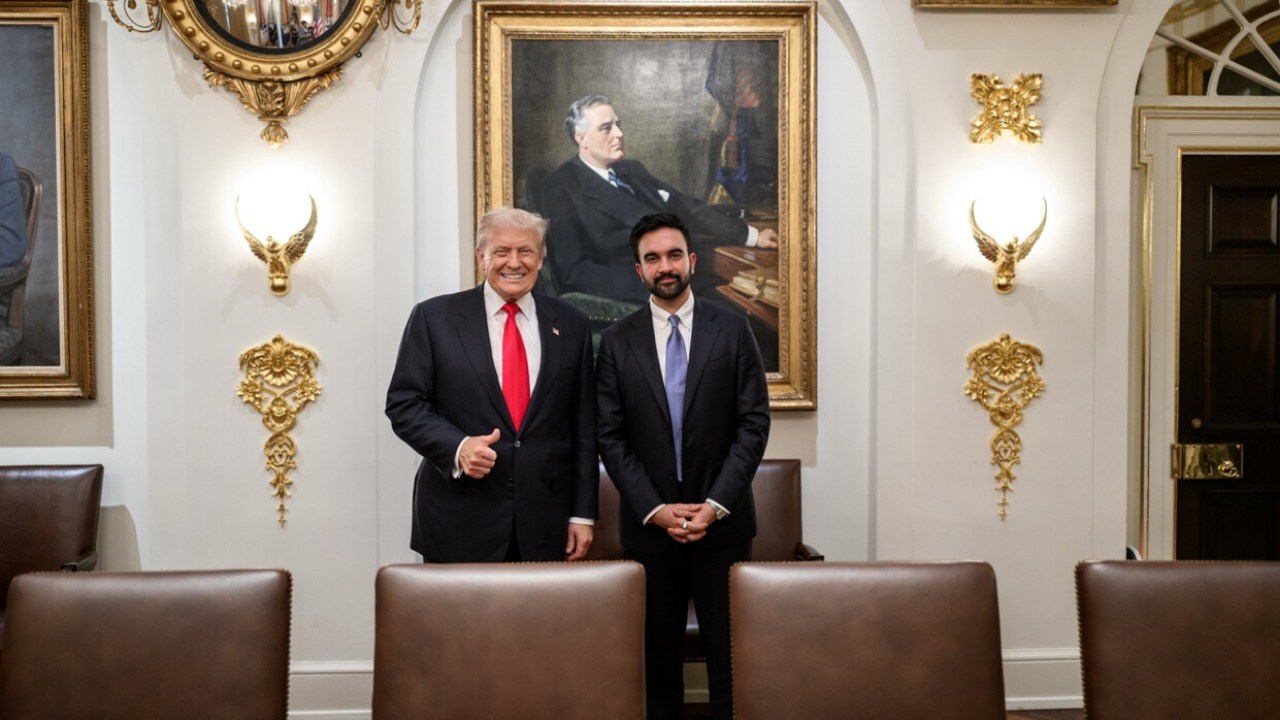
New York City Mayor Zohran Mamdani just struck a deal with President Donald Trump to secure a 90-day delay on new Supplemental Nutrition Assistance Program (SNAP) rules. This extension gives bodegas and corner stores across the country extra time to meet updated federal stocking requirements. The delay began on Friday, November 13, 2026. It follows direct conversations between Mamdani, Trump, and Agriculture Secretary Brooke Rollins.
According to The Guardian, the new guidelines were originally set to take effect on November 4. These rules require stores to stock at least seven varieties in four staple categories: dairy, grains, protein, and fruits or vegetables. Stores also have to offer perishable items in three of those categories to qualify.
Previously, retailers only had to stock three varieties per category. The new rules also remove items like butter, jerky, snack bars, and fruit spreads from counting toward the minimum inventory requirements. While this does not stop people from buying those specific items with their benefits, it does change how a store proves it meets the federal standards.
Without the delay, many stores would have risked losing their authorization to accept SNAP benefits
The mayor stepped in after hearing from over 100 bodega owners who were worried about the deadline. Many small retailers do not have the shelf space or refrigeration capacity to meet these expanded requirements.
Mamdani noted that without this extra time, the over 10,000 bodegas and corner stores across the five boroughs would have risked losing their authorization to accept SNAP benefits entirely. He argued that this would have created a massive problem for millions of Americans who rely on these local shops for their daily groceries. At a press conference on Friday, Mamdani explained the stakes for local communities.
He stated that the new guidelines threw the lives of “more than a million New Yorkers” and “tens of millions more across America” into chaos. He added, “People already reckoning with a shortage of affordable places to buy what they need for their home, soaring costs at the register, and food deserts across the five boroughs, now feared that the few places they could shop would no longer be able to accept their benefits.”
The impact of this deal is nationwide. There are more than 250,000 retailers authorized to participate in the program throughout the United States. According to the Food Research and Action Center, small grocery stores, convenience stores, and bodegas make up about 70% of those retailers. For many of these small businesses, SNAP revenue is a critical part of their income. If they lost the ability to accept those benefits, many would likely have been forced to close their doors.
Mamdani had initially pushed for a six-month extension to help these businesses adjust
The United States Department of Agriculture (USDA) had previously rejected calls to postpone the rules before this deal was reached. Now, the department has confirmed it will provide the 90-day reprieve. According to Newsweek, a spokesperson for the department said, “Today, the Department will afford retailers 90 more days to get it right. Recipients, regardless of ZIP code and community, should have access to more than jelly and meat sticks.”
This is not the first time the mayor and the president have worked together. The two have previously discussed the Sunnyside Yard project in Queens. That plan involves a potential $21 billion federal investment to build 12,000 affordable homes over the existing rail yard. While they have not finalized a funding agreement, they have established formal talks between city officials and the White House to explore the project further.
Industry experts see this SNAP deal as a pragmatic move. Alex Beene, a financial literacy instructor for the University of Tennessee at Martin, noted that “The agreement gives thousands of bodegas and neighborhood grocery stores additional time to meet new food-stocking requirements without risking their ability to accept SNAP benefits.” He added that while this is a helpful step, the real challenge will arrive when the extension expires in February 2027.
Kevin Thompson, the CEO of 9i Capital Group, also pointed out that the deal recognizes the economic reality for small businesses. He said, “Any delay in the cuts or perceived rule changes will allow businesses to continue to receive those very benefits and give them time to comply with the new rules for SNAP.”
The 90-day window is not a permanent fix
The USDA has not withdrawn the requirements. Unless federal policy changes before the new deadline, stores will eventually have to meet the expanded stocking standards. For now, the agreement provides a temporary safety net for small business owners and the families who depend on them.
As Mamdani said, “When hundreds of bodegas came to our administration asking for help, we stood with them. I am grateful that President Trump has agreed to delay beginning enforcement of this rule, and we will continue fighting to protect our neighborhood businesses and the New Yorkers who depend on them.”
Have a tip we should know? [email protected]
Follow The Mary Sue: