Waitress claims group has the worst excuse for lowering their $100 bill, and it puts their children at the center: ‘Don’t let your kid order’
Server woes.
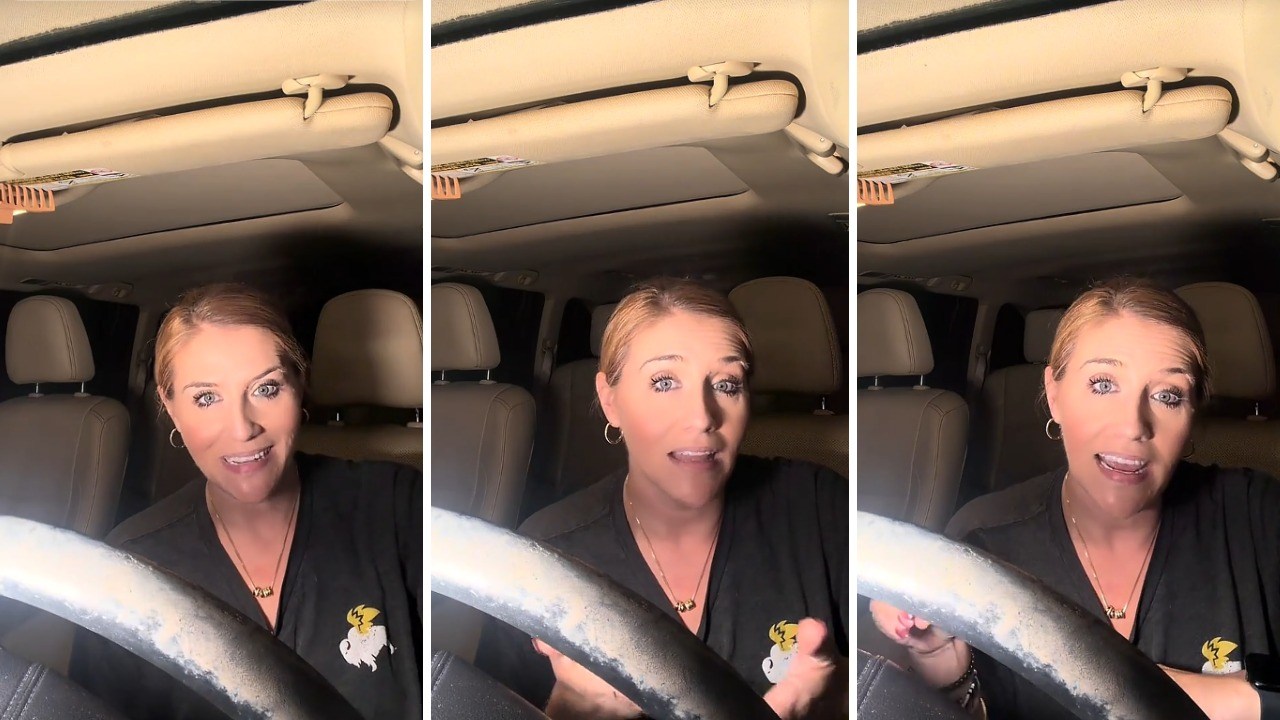
It is a tough reality for many service workers, and one waitress recently shared a story that highlights how some diners go to extreme lengths to avoid paying up. Jamie, @nofancyjamie on TikTok, who works as a part-time waitress at Buffalo Wild Wings in Virginia, posted a video around November 13, 2026, detailing a frustrating experience with a large group of diners.
Jamie, a single mother of four, works four jobs to support her family and earns a tipped minimum wage of $2.13 per hour. She relies on gratuities, yet she found herself in a situation where a party of 15 adults including two children seemingly looked for any excuse to reduce their bill and skip the tip. The issues began when the children at the table asked to order their own drinks. They specifically requested Shirley Temples in kids cups, which Jamie provided.
Later, the mother switched the drinks into adult cups, claiming it was for the aesthetic so they could see the cherry. When Jamie noted the original request for the kids cups, the mother rolled her eyes. The table also ordered an appetizer that all guests shared, including the children. However, when the bill arrived, the father demanded the appetizer be removed, claiming the child did not mean to order it. Jamie complied with the request to keep the peace, despite the fact that the entire table had finished the dish.
That was not the worst of it
When the group left, Jamie found that they had written ‘cash’ on the tip line, but they left absolutely nothing. This incident is just one example of the rising tensions surrounding tipping culture in the United States.
Many people are feeling fatigued by the pressure to tip in environments where it was not previously expected, or where the service feels subpar. This has led to a growing segment of the population that is opting out of tipping entirely, regardless of the setting. Some diners now feel that if they are doing the work themselves, like at an automated kiosk, they should not be expected to provide an extra gratuity.
The debate often centers on whether tipping is a fair way to support service workers or a way for employers to avoid paying a living wage. According to the New York Post, experts like William Michael Lynn, who has studied tipping for 40 years, point out that attitudes toward the practice have worsened over time.
While some patrons, like New York City hair salon owner Corey Anderson McCutcheon, believe that tipping should be a reward for going the extra mile, others feel that the expectation of a tip has become a burden. McCutcheon has openly stated that he is done with mandatory tipping, especially when the service provided does not match the requested percentage.
The pressure to tip has also led to public confrontations and viral moments
For instance, a TikTok video by a user named Bridget garnered significant attention after she left a zero-dollar tip following what she described as a neglectful experience at a restaurant. According to the Daily Dot, Bridget noted that she waited 12 minutes just to be greeted, and her server did not check on her during her meal.
While some viewers argued that her decision was harsh, others supported her, citing the importance of quality service in the dining experience. These stories resonate because they touch on the emotional and financial strain felt by both servers and customers.
There is also a generational shift at play. Some, like creative brand strategist Ivy Marie, have suggested that younger generations may not prioritize friendly human interaction in the same way, which can affect the service dynamic. As more people share their experiences on platforms like TikTok, the conversation around tipping continues to evolve.
Some diners are choosing to avoid the service industry altogether to escape the frustration of ‘tipflation’ and surprise surcharges. Others, like comedian Dustin Anderson, argue that restaurants should simply raise their prices rather than relying on customers to fill the gap.
For servers like Jamie, these encounters represent more than just a missed tip
They are a reminder of the vulnerability inherent in a job that relies on the generosity of others. Jamie illustrates the frustration in her caption. She says, “Not getting tipped comes with this job, but no need to be rude to me, and then write cash to make me look around on the table, that wasn’t nice. They received great service. And no one else touched the table. I watched them leave and instantly went to clean the table off, they definitely didn’t leave cash.”
Jamie’s advice to other parents is simple: do not let your children order if you plan to dispute the charges later. Her updates from her shifts often highlight the reality of service work, where maintaining professional composure is required even when customers are rude. It is a difficult balance to maintain, especially when the emotional toll of such interactions is high.
Have a tip we should know? [email protected]
Follow The Mary Sue: