


Michigan’s Mike Rogers Claims He Saw bin Laden’s Corpse With His Own Eyes, but the Reality of Where He Was That Night Tells a Different Story
Point of contention.
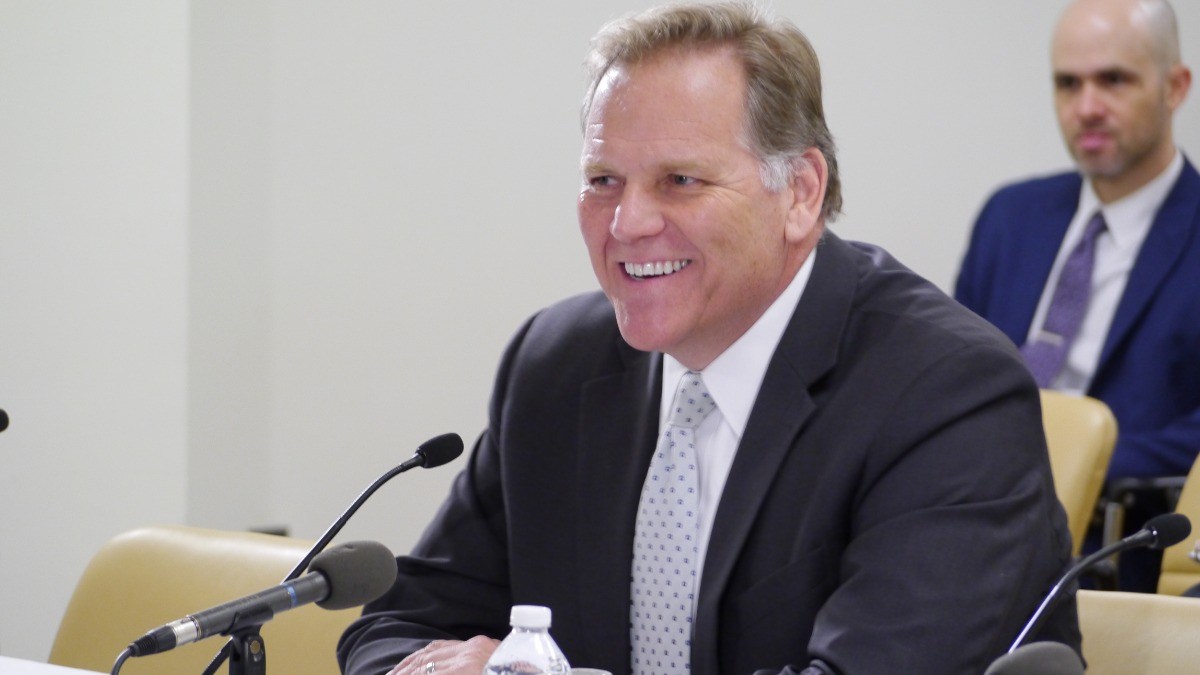
The recent fundraising efforts for Michigan Senate candidate Mike Rogers have taken a strange turn, sparking plenty of questions about his past claims. According to The Guardian, in an email sent to his supporters, the former congressman stated that he saw the dead body of Al-Qaeda leader Osama bin Laden with his own eyes. It is a bold claim that suggests he was physically present for the aftermath of the historic 2011 military raid in Pakistan.
However, the reality of the situation is quite different, and it is important to look at the facts behind how this information was shared. When you dig into the timeline, it becomes clear that Rogers was nowhere near the Abbottabad compound when the mission took place on May 1, 2011. He was not on the ground with the military personnel, nor was he inside the White House Situation Room where the operation was being monitored by top officials.
Instead, Rogers was at his home in Washington D.C. At the time, he was serving his sixth term representing Michigan’s 8th congressional district and held the position of chair for the House Intelligence Committee. He has previously recounted that he learned about the death of the Al-Qaeda leader through a phone call from Leon Panetta, who was the CIA director under then President Barack Obama.
The phrasing of the fundraising email has drawn significant attention
It implies a level of direct, boots-on-the-ground involvement that simply did not exist. The email included a section in bold text that stated, “I saw the dead body of Osama bin Laden with my own eyes, knowing that together, we had delivered justice for America.” While the campaign has not offered an explanation for this specific wording, many observers, including reporter Azi Paybarah, have pointed out that Rogers likely saw a photograph of the body.
In the days following the raid, it was reported that a select group of lawmakers were granted access to view images of the deceased terrorist. Rogers confirmed back in 2011 that he had seen these photos, describing them as being “pretty gruesome.”
It is interesting to see how these past events are being framed now, especially as Rogers campaigns for a Senate seat. He has often spoken about his work on the intelligence committee in ways that emphasize his contribution to funding the agencies that ultimately tracked down Bin Laden.
However, some have noted that he has frequently used vague language that tends to inflate his personal role in these national security efforts. This latest email seems to be a continuation of that trend, as he leans heavily into his background as an Army officer and an FBI special agent to establish his credentials.
Rogers’ fight against El-Sayed adds another layer to the story
Rogers has been aggressive in his criticism of his Democratic counterpart Abdul El-Sayed, who is a doctor and former public health official. In his public statements, Rogers has attempted to link his opponent to ideological extremism, going as far as to claim that El-Sayed believes the United States deserved the 9/11 attacks. This particular accusation has been widely debunked.
A New York Times fact-check pointed out that this view was actually expressed by controversial Twitch streamer Hasan Piker years ago, not by El-Sayed. Furthermore, El-Sayed has consistently and clearly denounced the 9/11 attacks.
According to The Daily Beast, in a 2021 piece for The Incision, El-Sayed wrote about his personal experience with that day, stating, “I watched terrorists with names like mine attack my country in the name of my faith. Three thousand of my fellow Americans were killed in the craven terrorist attacks in New York, Washington, D.C., and Pennsylvania. The attack devastated me.”
Rogers continues to center his campaign on his self-described history of hunting terrorists
The Republican nominee has used the language of being on the frontlines to contrast his record with that of El-Sayed’s. It is a strategy that relies heavily on his time in Congress, even if the specific details he shares with voters do not quite align with the historical record.
When Rogers previously addressed whether the public should see the images of the raid, he argued against it, saying that the risks outweighed the benefits. He suggested that conspiracy theorists would only claim the photos were doctored and that releasing them might inflame public opinion in the Middle East.
As the race continues, the discrepancy between Rogers’ fundraising claims and the reality of his location during the raid remains a point of contention. It serves as a reminder of how political messaging can sometimes stray from the literal truth to create a more compelling narrative for supporters.
Whether voters will be swayed by these claims or focus on his actual committee work remains to be seen, but the situation certainly highlights how historical events are recycled and reframed in the heat of a modern campaign. For now, Rogers’ office has remained silent regarding the specific wording of the email, leaving those involved to piece together the truth from past reports and public records.
(Featured image: Hudson Institute)
Have a tip we should know? [email protected]
Follow The Mary Sue:
