


Arizona judge says he ‘loved’ AI video of road rage victim showing ‘forgiveness’ to killer. Then the court tosses the manslaughter sentence
The judge appeared touched by the AI-generated victim.
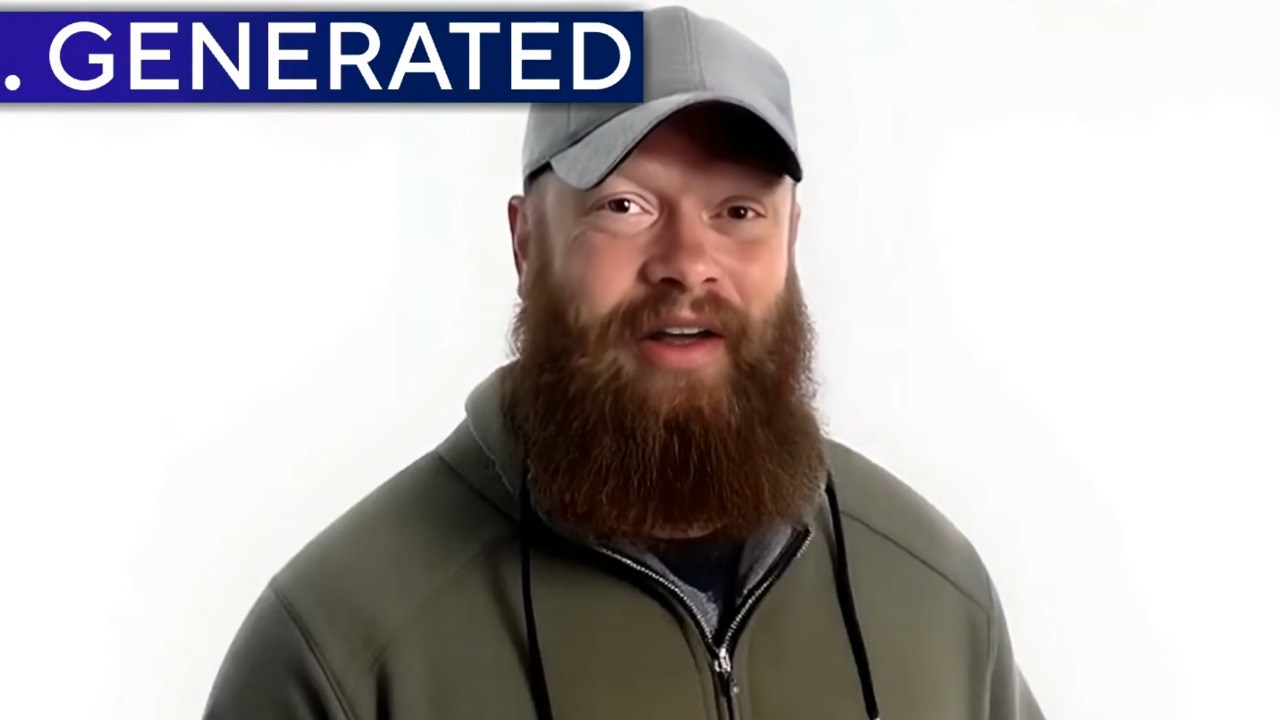
A man accused of manslaughter after a road rage incident that left another dead just had his sentence tossed by an Arizona court. The decision was a result of an AI video portraying the victim showing “forgiveness” to his killer that was presented in court before a sentence was announced, which the appeals court deemed a “fundamental error.”
On Nov. 13, 2021, 55-year-old Gabriel Paul Horcasitas fatally shot 37-year-old Christopher Pelkey during a road rage incident at a stoplight in Chandler, Arizona. Horcasitas reportedly shot Pelkey, who was unarmed, when he exited his truck and walked toward Horcasitas’ vehicle, per CBS News.
Horcasitas was convicted of manslaughter for the death of Pelkey in May 2025 at a hearing presided over by Maricopa County Superior Court Judge Todd Lang, giving him a sentence of 10 years in prison. He was also convicted of endangerment after a bullet struck another vehicle waiting at the intersection at the time of the road rage encounter.
Arizona judge was moved by the video
What was unusual about the sentence, however, was the presentation of an AI video just before Horcasitas’ punishment was handed down. Pelkey’s family reportedly showed the court an AI-generated posthumous video, created by his sister Stacey Wales, in the likeness of the victim.
In the video, the AI-generated version of Pelkey appeared to ask the judge for leniency regarding Horcasitas’ actions, expressing sentiments that Wales believed her brother would have conveyed. “To Gabriel Horcasitas, the man who shot me. It is a shame we encountered each other that day in those circumstances,” AI-Pelkey said. “In another life, we probably could have been friends. I believe in forgiveness, and a God who forgives. I always have, and I still do.”
Lang was reportedly moved by the AI video, even stating that he “loved that AI. Thank you for that. As angry as you are and justifiably angry as the family is, I heard the forgiveness, and I know Mr. Horcasitas appreciated it, but so did I.” He later added that the video felt “genuine” and that there was “obvious forgiveness” from Pelkey.
Despite the video, Pelkey’s family requested the maximum sentence, while Horcasitas’ side asked for the lowest possible. Lang gave Horcasitas the maximum sentence of 10 years.
The AI video does not reflect actual events
According to the Arizona Court of Appeals, Horcasitas claimed that he was denied due process because the sentencing judge heard and based the sentence on the AI video. The state, however, argued that the video reflected what Pelkey’s sister believed the victim “would have said,” adding that the statements in the video were “consistent” with Pelkey’s written values and beliefs.
The appeals court noted that the video “does not reflect actual events” and “clearly impacted the sentencing judge.” As a result, Horcasitas’ manslaughter sentence has been overturned, and he will be resentenced.
“On this record, the judge’s consideration of the AI video so prejudiced Horcasitas as to render the sentencing procedure fundamentally unfair. Accordingly, we vacate the sentence for manslaughter and remand for resentencing,” appellate judges said.
This isn’t the first time AI has entered the court of law. In a separate incident, a lawyer was charged with contempt after his murder appeal was found to have contained fake testimony generated by AI.
Have a tip we should know? [email protected]
Follow The Mary Sue:
