


Mariska Hargitay calls for legal reform as new Law & Order SVU episode centers on case eerily similar to the Cornell 7
Real to reel.
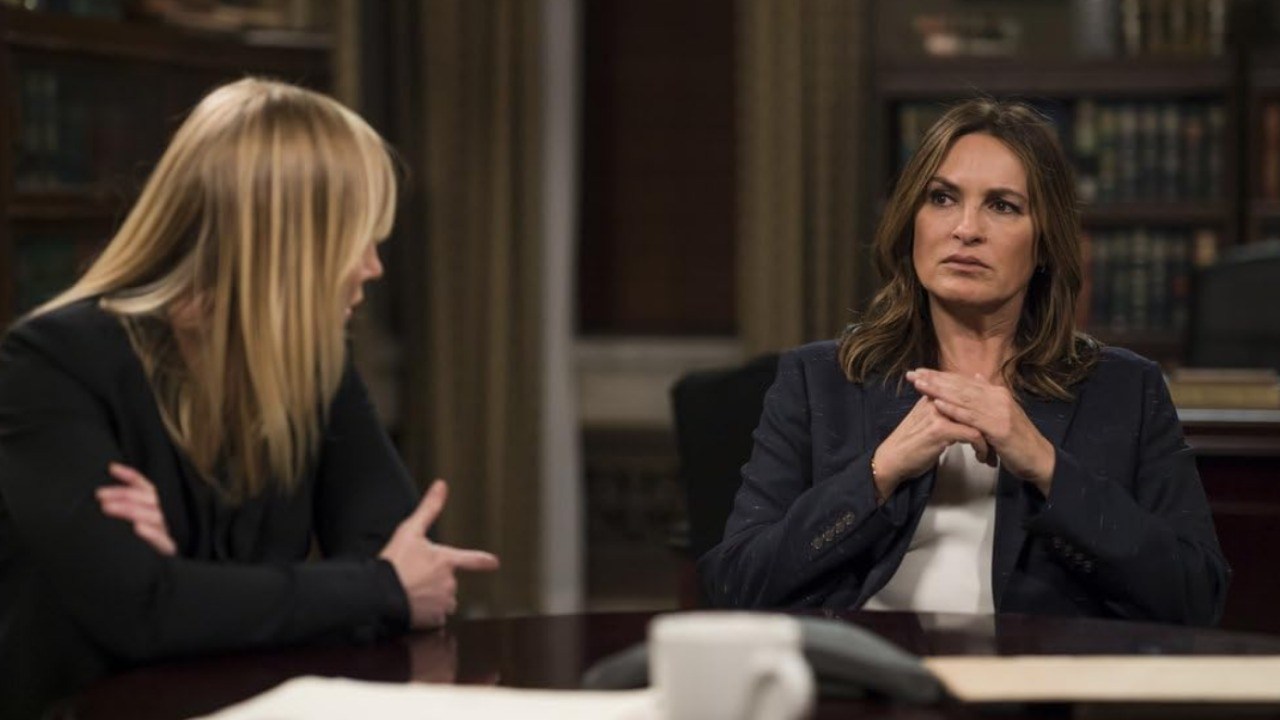
The latest season of Law & Order: Special Victims Unit kicked off on October 8, 2026, with an episode that feels hauntingly relevant to current real-world events. Titled Volition, the story focuses on a young woman named Emily who reports a gang rape after a night of heavy drinking. According to Variety, while the episode was written and filmed back in July, its themes mirror the highly publicized Cornell 7 case.
This case involves seven former Cornell University fraternity members accused of assaulting a female student in October 2024. The parallels are striking. In the fictional account, Emily wakes up in a subway car, confused and disheveled. She eventually accuses three men of assaulting her while she was incapacitated.
In the real-world Cornell situation, the survivor, identified in court documents as Jane Doe, filed a civil lawsuit in September. She alleges she was drugged and assaulted at a fraternity house. Following the lack of initial criminal charges against the students, New York Governor Kathy Hochul appointed Attorney General Letitia James as a special prosecutor to examine the case.
The creators emphasize that the timing was purely coincidental
Showrunner Michele Fazekas noted that she was unaware of the Cornell allegations until they hit national news in September. Instead, the episode was designed to highlight the dangerous gaps in current legislation regarding sexual consent. According to Fazekas, the narrative focuses on the legal misconception that voluntary intoxication does not negate a person’s ability to consent.
Mariska Hargitay, who plays the iconic Captain Olivia Benson, has been vocal about the need for reform. She recently used her platform, including her organization the Joyful Heart Foundation, to show support for survivors of sexual assault, domestic violence, and child abuse. “We refuse for this victim to be reduced to just another story. Cornell has failed to protect its students,” Hargitay said in a shared statement with the Joyful Heart Foundation on Instagram.
Hargitay stated that if survivors choose to consume substances, they cannot legally claim they were unable to consent unless they were physically unconscious. She pointed out that this voluntary intoxication loophole still exists in 19 states. Legislators had the chance to fix this, but they failed. Hargitay strongly believes that these outdated laws must change now.
In the SVU episode, the characters grapple with these exact limitations
When detectives debate whether a woman with a .17 blood alcohol content can legally consent, Benson cuts through the confusion. She explains that the law currently requires a victim to be physically helpless or drugged against their will to secure a conviction.
When a detective calls the law garbage, Benson agrees. She explains that the legislature tried to address this during the summer, but the session ended before a vote could occur.
The legal battle in Volition is intense. Benson works with a jury consultant named Gwen Sharpe, played by J. Smith-Cameron, to navigate a system that often blames the victim. The defense attorney, Andrea Vargas, aggressively questions Emily on the stand. She asks if Emily encouraged the men or if she simply changed her mind after the fact. This line of questioning reflects the harsh reality many survivors face in court.
Benson eventually resorts to unconventional methods to secure justice. She orchestrates an arrest of a suspect’s mother on charges of evidence tampering to force a confession. While the tactic leads to a guilty verdict, it creates friction with ADA Carisi. Benson admits her frustration, noting that they don’t stop crimes. They only pick up the pieces afterwards.
The premiere is a stark reminder of how far behind the law is when it comes to protecting people. It is a top-tier example of how television can force us to reevaluate the often devastating impact of broken systems. The show explores whether our institutions can truly offer justice in a world where intoxication is used as a legal shield.
A new Law & Order episode took on another major real-world issue
The flagship Law & Order show also returned with an episode titled Ghost in the Machine, exploring the risks of artificial intelligence. USA Today reports that it featured a tech visionary facing charges after his software is linked to a murder.
Ghost in the Machine questions whether our laws can keep up with technology that advances faster than our regulations. Both shows continue to spark necessary conversations about the intersection of law, technology, and morality.
The episodes are available on NBC at 9 p.m. for SVU and 10 p.m. for the flagship series. They are also available to stream on Peacock beginning October 9. It is clear that the writers are tapping into deep cultural anxieties to ensure these stories connect with viewers. Whether it is the definition of consent or the dangers of unchecked AI, the mirroring of real-world scenarios hits close to home.
Have a tip we should know? [email protected]
Follow The Mary Sue:
