


Lena Headey Says She Was ‘Shocked’ by Game of Thrones Fan Anger After Refusing to Go Nude as She Slams Hollywood for Protecting ‘Predatory Men’
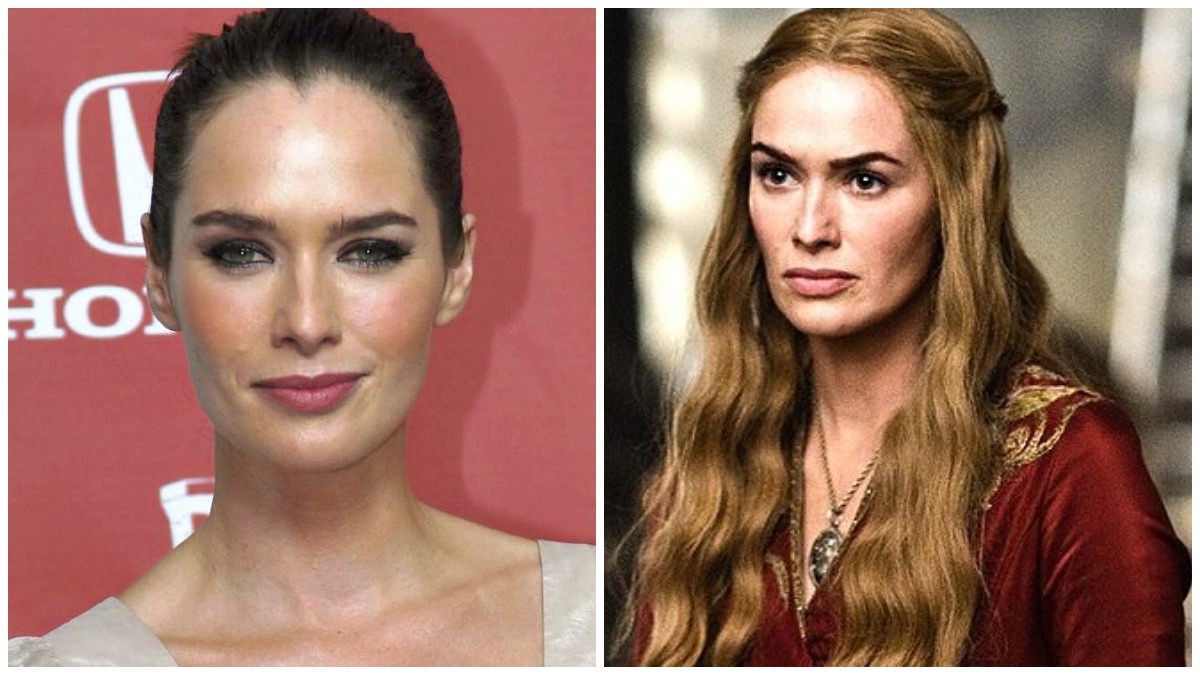
Hollywood has spent years trying to improve how actors are treated during intimate scenes. Even so, many actors say some of the industry’s biggest problems have not completely disappeared.
That discussion has surfaced again through Lena Headey. While promoting a new project, the actress reflected on career experiences that changed the way she views Hollywood. The interview also brought her back to one of the most talked-about and controversial moments from her time on Game of Thrones, where she reflected on a scene that has continued to spark discussion among fans.
According to PEOPLE, Headey’s latest interview revisited her experiences in Hollywood and a decision she made during Game of Thrones. She also reflected on how she believes the industry has changed since she began acting.
She says some things in Hollywood still haven’t changed
Headey made the comments during an interview with The Telegraph while promoting her new BBC radio drama Intimacy. The series follows an intimacy coordinator who gets a job on a major film before discovering the director is the same man who raped her years earlier.
Headey said working on the project made her think about her own experiences on film sets before intimacy coordinators became more common across the industry. Although she believes things have improved, she said there are still productions where actors do not receive enough support.
“Oh, even today you can still be on set where no one really cares [about the actors],” Headey told the outlet. “You can be doing a nude scene and someone will say, ‘Okay, put this large lumpy mat against your groin’. But I’m in my 50s now and I feel more in control. It’s a different game.”
The actress said expectations were very different when she first started acting. She recalled that many young actresses were expected to accept intimate scenes as a normal part of building a career.
“When I started out there was this rite of passage all young female actors had to go through, which usually involved snogging and falling in love, and having sex and showing your boobs,” she said. “They’d call them the ingenue parts, to make it sound nicer.”
Headey also said she rarely questioned whether she should have been better protected because she was simply happy to be working. “I just got on with it,” she said. “I didn’t go to drama school so I would just arrive on a set and be, ‘Oh my God, I’ve got a job.’ And when it came to those moments, I don’t think I even questioned that I should be safe. Instead I’d go home and cry, or think, ‘Oh, that felt weird and too familiar.’ Now I look back and feel, ‘Hmm, that was rough.’”
The interview also returned to the allegations Headey made against former Miramax producer Harvey Weinstein in 2017. At the time, she accused Weinstein of making suggestive comments to her during the Venice Film Festival in 2005 before allegedly trying to get her to come to his hotel room under the pretense of discussing a script. She has previously said she refused his advances and later wondered whether that decision affected her career.
When asked how she feels about Weinstein now, Headey said her anger is not only directed at him. She argued that the industry has too often protected powerful people while younger actresses were left in difficult situations.
“The weird protection that we offer predatory men in the business, because of the disproportionate power they wield set against the need among vulnerable actresses to work to put food on the table to get the job — it makes me very angry,” she told the outlet. “A job can be completely soured by one person who, for some reason, is allowed to get away with it.”
(Featured Image: pinguino k from North Hollywood, USA, CC BY 2.0. Via Wikimedia Commons, mario.solera, PDM 1.0)
Have a tip we should know? [email protected]
Follow The Mary Sue:
