


Kash Patel’s bizarre defense of tweaked FBI hiring policy involving bestiality leaves senators stunned
“We are not into bestiality.”
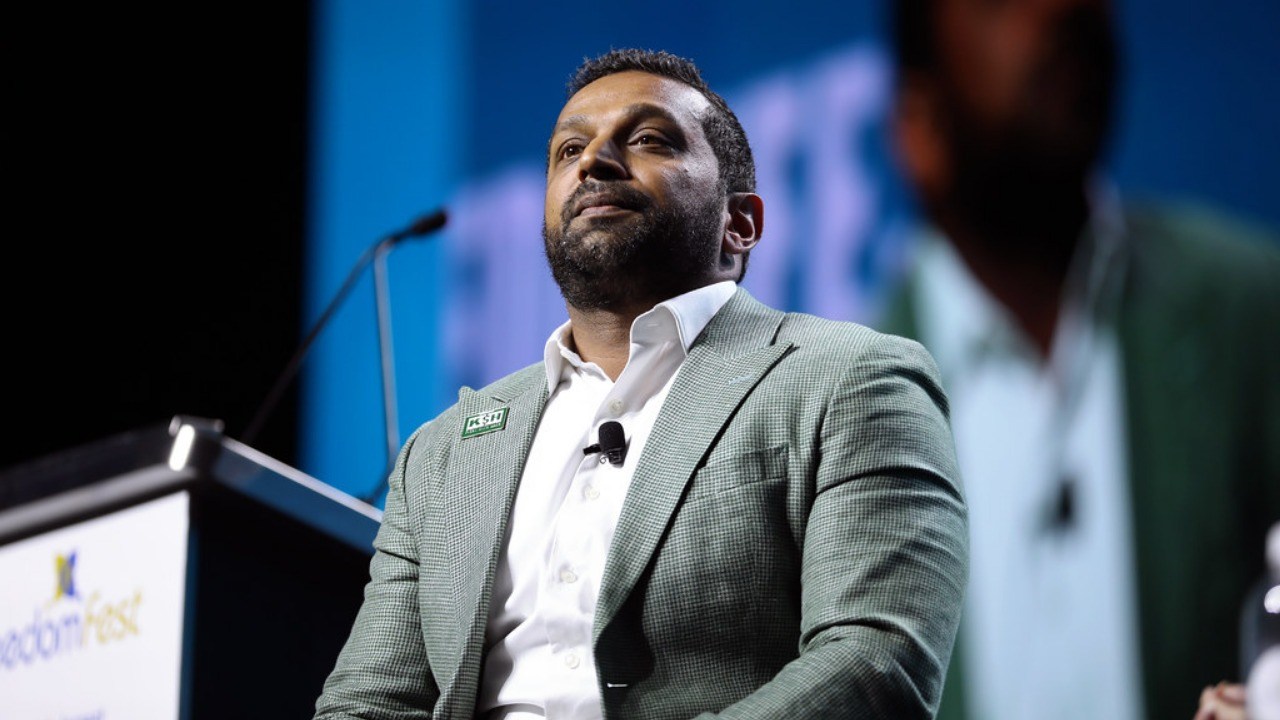
The Federal Bureau of Investigation (FBI) Director Kash Patel faced intense scrutiny during a Senate judiciary committee oversight hearing held on Tuesday, September 15, 2026. The tension centered on his decision to remove bestiality as an automatic disqualifier for individuals seeking employment as FBI agents. The policy shift, originally reported in August, has sparked significant confusion and disbelief among lawmakers on both sides of the aisle.
According to The Guardian, during the hearing, senators questioned the logic behind adjusting hiring standards to include candidates who have engaged in such acts. Patel defended the update by arguing that the bureau did not want to punish victims who were coerced into bestiality. He maintained that these individuals should not face an automatic rejection based on actions that were forced upon them.
“We did not want to punish victims of bestiality, victims who were trafficked,” Patel stated during his testimony. He further explained that the goal was to avoid making these specific, heinous acts an automatic disqualification for the FBI to consider a candidate. According to Patel, the change allows the agency to look at the whole person rather than relying on an automatic barrier.
Nobody bought Patel’s response
Republican Senator John Kennedy expressed deep frustration with the policy change during the exchange. “Why would you even get into bestiality?” Kennedy asked Patel. “We are not into bestiality,” Patel responded, before the senator cut him off. “I know you’re not, but you changed the qualifications and mentioned bestiality,” Kennedy said, pushing for further explanation.
He questioned why the agency would even incorporate such a specific and controversial topic into its hiring criteria. “I’m trying to understand why you did this,” Kennedy told Patel. When Patel reiterated his stance on protecting victims, Kennedy replied, “I say this with respect to the person who recommended it, why didn’t you just say: ‘What planet did you parachute in from?’”
The back-and-forth between Kennedy and Patel became quite heated as the senator pressed for clarity. Kennedy asked if the change meant that someone who had sex with an animal could still become an agent. Patel responded by saying, “No.”
Despite this, the senator continued to push for a more detailed explanation regarding the necessity of the rule change. At one point, Kennedy even asked if the policy shift somehow disqualified the animal from FBI service, highlighting the absurdity he perceived in the situation.
Patel was challenged about the nuances of the policy
Democrat Dick Durbin said the language of the rule change did not explicitly focus on victims, but on applicants who had engaged in the acts themselves. “You dropped automatic disqualification for applicants who have been engaged in bestiality, not victims of bestiality, applicants who have engaged,” Durbin noted during the hearing. Patel countered this by asserting that applicants who engaged in such acts were, by definition, victims because they were forced into the behavior.
The FBI has maintained that it is not relaxing its overall hiring standards. An agency spokesperson stated that the bureau continues to evaluate candidates based on the whole of the person in certain circumstances.
The spokesperson also clarified that applicants who have committed criminal sexual acts remain ineligible for employment. They claimed that previous applicants had faced issues with their background checks due to forced participation in prostitution or bestiality, and the goal was to address these situations fairly.
It remains unclear exactly how many applicants have been affected by these specific circumstances. The FBI did not provide data to support the assertion that a significant number of candidates were being disqualified due to being victims of trafficking. The Democrats had sent a letter to Patel on Monday requesting more information regarding the rule change and the number of applicants who fall into these categories.
The hearing covered other contentious ground too
According to CNN, senators pressed Patel on the ongoing investigations into the killings of Alex Pretti and Renee Good, as well as the recent departure of several career FBI employees. Patel declined to provide details on the investigations because they are still ongoing. Regarding the staff turnover, he claimed that most employees retired, while those who were fired had weaponized the federal government.
Patel also faced questions regarding the bureau’s involvement in the upcoming midterm elections. He stated that the FBI plans to house agents and intelligence analysts in field offices for election security purposes. When Democratic Senator Peter Welch asked if Patel would pledge not to interfere in the will of the people at the polls, Patel responded, “I pledge unequivocally that I will not participate in your charade of lies.”
The policy change, which covers candidates who engaged in bestiality, animal cruelty, or theft from an employer before the age of 18, continues to be a point of friction. While Patel characterizes the move as a way to avoid discriminating against survivors of abuse, the reaction from the committee suggests that the explanation has not eased concerns.
The combination of these hiring changes and the heated exchanges during the oversight hearing has left many observers questioning the future direction of the bureau under the current administration. The lack of clear data on the necessity of this rule change likely means that the conversation will continue as more information is requested by the committee.
Have a tip we should know? [email protected]
Follow The Mary Sue:
