


‘At this point if you die… kinda on you’: Server says customer ordered clams, then told him about a severe shellfish allergy
The table said no to food allergies, then ordered red clams.
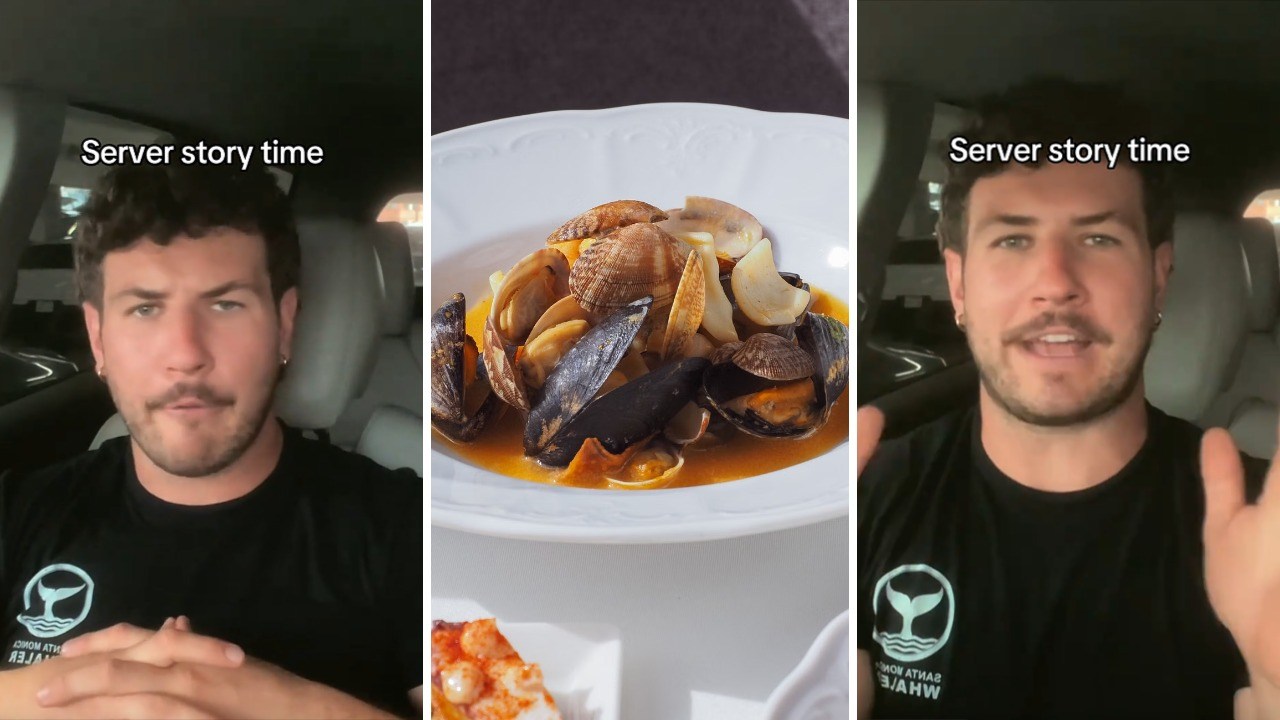
Restaurant server Alex Netherda says a diner announced a severe shellfish allergy only after her table had ordered clams, in a TikTok that has gone viral. According to Daily Dot, the video carries the caption, “At this point if you die… kinda on you.”
Netherda states the seven-member family he was serving seemed pleasant at first. Before taking any orders for main dishes, he checked with every guest about allergies. Nobody did, according to his account, and the group went on to order red clams. Servers have posted similar mix-ups before, as when an Arizona server vented about diners who kept asking whether ramen and ice cream were vegetarian.
The mood changed once the plates reached the table. One customer told him she could not eat the dish because of a severe allergy to shellfish, Netherda says. The disclosure caught him off guard, and he questioned whether she understood what clams are. Staff took the dish off the table, and she ended up with chicken strips plus fries. In another TikTok story, a server asked a table about allergies and a couple refused to share any.
Clams and the FDA allergen list
The U.S. Food and Drug Administration names nine major food allergens: milk, eggs, fish, crustacean shellfish, tree nuts, peanuts, wheat, soybeans and sesame. According to the FDA, crustacean shellfish covers animals such as crab, lobster and shrimp. Clams are mollusks, which are not on that list, although a 2021 paper in BioMed Research International calls both molluscan and crustacean shellfish well-known causes of allergic reactions.
The list traces back to the Food Allergen Labeling and Consumer Protection Act of 2004, which requires food labels to name the source of each major allergen in plain terms. Manufacturers can do that in parentheses within the ingredients or in a “contains” statement.
The FASTER Act, signed on April 23, 2021, made sesame the ninth allergen, effective January 1, 2023. The FDA enforces the labeling law for most foods, though poultry, most meats, certain egg products and most alcoholic beverages fall under other federal agencies.
Rules for restaurant meals differ by state. California requires restaurant chains with 20 or more locations to provide written notice of major allergens in menu descriptions, according to Food Allergy Research & Education. The group also lists a trained-manager requirement in Illinois and a food allergy poster requirement in Maryland. Massachusetts requires menus to carry a statement reading, “Before placing your order, please inform your server if a person in your party has a food allergy.”
Allergic reactions can begin within minutes or up to a few hours after eating, and any reaction can lead to anaphylaxis, the FDA states. Anaphylaxis can narrow the airways, drop blood pressure to dangerous levels and cause suffocation from throat swelling.
Anyone who develops symptoms should stop eating the food, assess the need for epinephrine and seek medical care, the FDA advises.
Have a tip we should know? [email protected]
Follow The Mary Sue:
