


ICE Is Scrubbing Its Death Toll by Releasing Detainees Just Before They Expire, Leaving Families and Investigators in the Dark
The toll is up to 57.
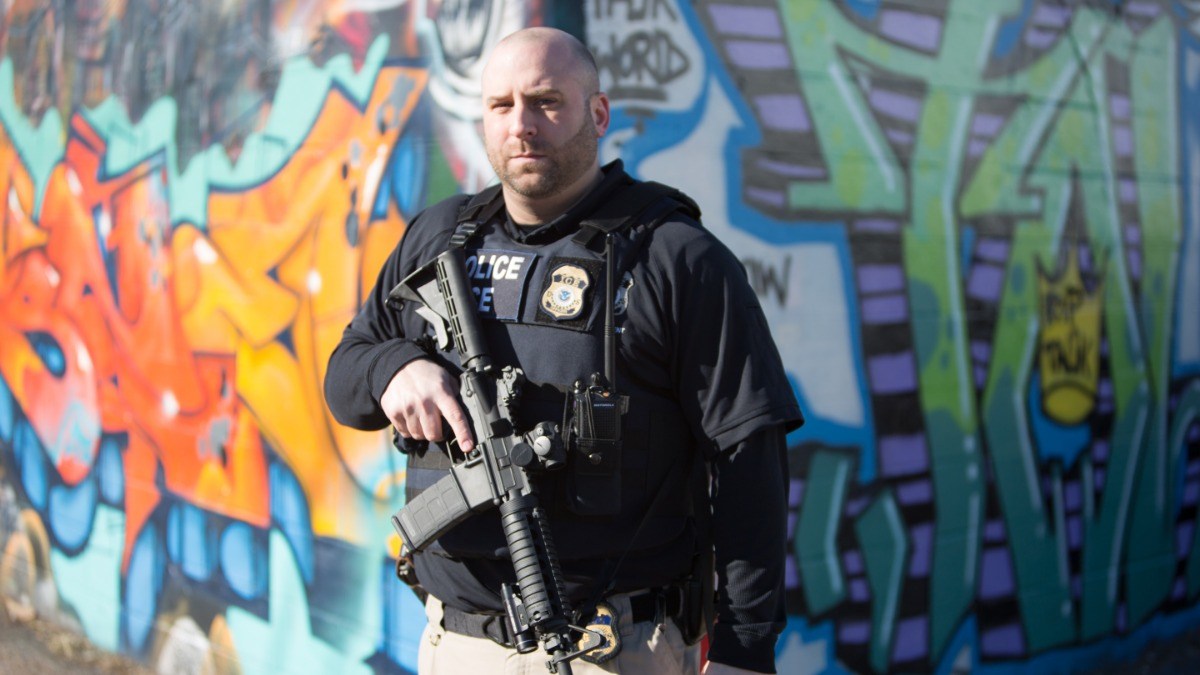
ICE just confirmed the death of a 51-year-old Chinese immigrant in its custody, but the agency’s official count is missing at least three other detainees who died shortly after being released. According to NPR, Lianyong Wei was pronounced dead at 7.30 a.m. on August 23, 2026, hours after being booked into a Saipan detention facility. His death marks the 57th recorded in ICE custody since the start of Donald Trump’s second term, with 24 of those occurring this year.
But the real number is likely higher, thanks to a policy change that lets ICE scrub its death toll by releasing detainees before they die. Wei was arrested on August 21 after allegedly attacking a family of five in their home. The next day, he was transferred to ICE custody without incident, pending removal proceedings. Less than 24 hours later, he was found unresponsive during a morning check and rushed to the hospital, where he was pronounced dead.
ICE’s official statement claims he received “life-sustaining interventions” immediately, but the agency has yet to confirm whether he underwent the mandatory health screening within 12 hours of intake. When asked, the Department of Homeland Security (DHS) declined to verify, instead falling back on its standard line: “Comprehensive medical care is provided from the moment individuals arrive and throughout the entirety of their stay.”
That claim is hard to square with the deaths of detainees like Jose Chajon-Raxon and Prisciliano Trejo
Jose Chajon-Raxon, a Guatemalan, was detained at New Jersey’s Delaney Hall Detention Center on July 18. A day after intake, he suffered a seizure-like episode and was hospitalized. DHS says he was released from ICE custody on July 22, but it’s unclear whether that’s the day he died. Requests for clarification went unanswered. Delaney Hall has been a death trap since reopening in May 2025, with Chajon-Raxon being the third detainee to die there after a medical emergency.
Then there’s Priscilino Trejo, a 29-year-old with leukemia who was held at Georgia’s Stewart Detention Center. His family says he begged for medical help on July 6, but his request wasn’t approved for eight days. By July 15, he was in a coma. That same day, ICE released him. He died nine days later.
Under a Biden-era policy, his death would have been counted in ICE’s official tally. But in June, the Trump administration axed that rule, arguing that ICE isn’t responsible for deaths occurring more than 30 days after release.
“Per ICE policy, when an individual is no longer in ICE custody, then ICE will no longer be responsible for monitoring or reviewing deaths that may occur,” DHS officials told reporters. “This is common sense. ICE is not responsible when an individual passes away weeks after leaving their custody.”
For an agency under fire for its handling of detainee health, that’s a convenient loophole
Wei’s case is still under investigation, but ICE’s press release about his death reads like a template. It ticks all the boxes: notifications to Congress, the DHS inspector general, and the Chinese consulate. It even mentions the mandatory 12-hour health screening, though there’s no confirmation it actually happened. The release emphasizes ICE’s commitment to “safe, secure and humane environments” and “comprehensive medical care from the moment individuals arrive.”
But the numbers tell a different story. Since January, 24 detainees have died in ICE custody. That’s nearly one death every five days. And those are just the ones the agency acknowledges. The real toll is almost certainly higher, given the policy change that lets ICE wash its hands of detainees like Trejo and Chajon-Raxon. Families are left in the dark, and investigators are left piecing together what happened after the fact.
Wei’s death is still being investigated, but the pattern is clear. ICE’s official count is missing at least three detainees who died shortly after release. That’s three families who won’t see their loved ones’ names on the agency’s public reports. Three deaths that won’t factor into the government’s tally of how many people die in its care. And three more reasons to question whether ICE’s medical care is as “comprehensive” as it claims.
The agency’s press release about Wei’s death is careful to note that he was a “criminal illegal alien” charged with assault. That’s a detail that fits neatly into the narrative of dangerous detainees, but it doesn’t change the fact that he was in ICE’s custody when he died. Nor does it explain why detainees like Trejo, who had leukemia, are being denied medical care until it’s too late. ICE’s policy change in June made it easier to ignore them entirely.
The lack of transparency has been devastating for the families
Trejo’s family says he was denied medical help for over a week before falling into a coma. By the time ICE released him, it was too late. Chajon-Raxon’s family doesn’t even know if he died in custody or after being released. And Wei’s family is left waiting for answers about what happened in those critical hours between his intake and his death.
ICE’s official statements paint a picture of an agency committed to humane treatment and thorough medical care. But the reality is far messier. Detainees are dying in custody, and now, thanks to a policy change, they’re dying just outside of it too. The agency’s death toll is being scrubbed, one release at a time. And until something changes, families and investigators will keep being left in the dark.
(Featured image: usicegov)
Have a tip we should know? [email protected]
Follow The Mary Sue:
