


Robert Pattinson’s Batman sequel halts production. Then the studio announces who is taking over: ‘The goal here is to work with Matt’
Soderbergh with the assist.
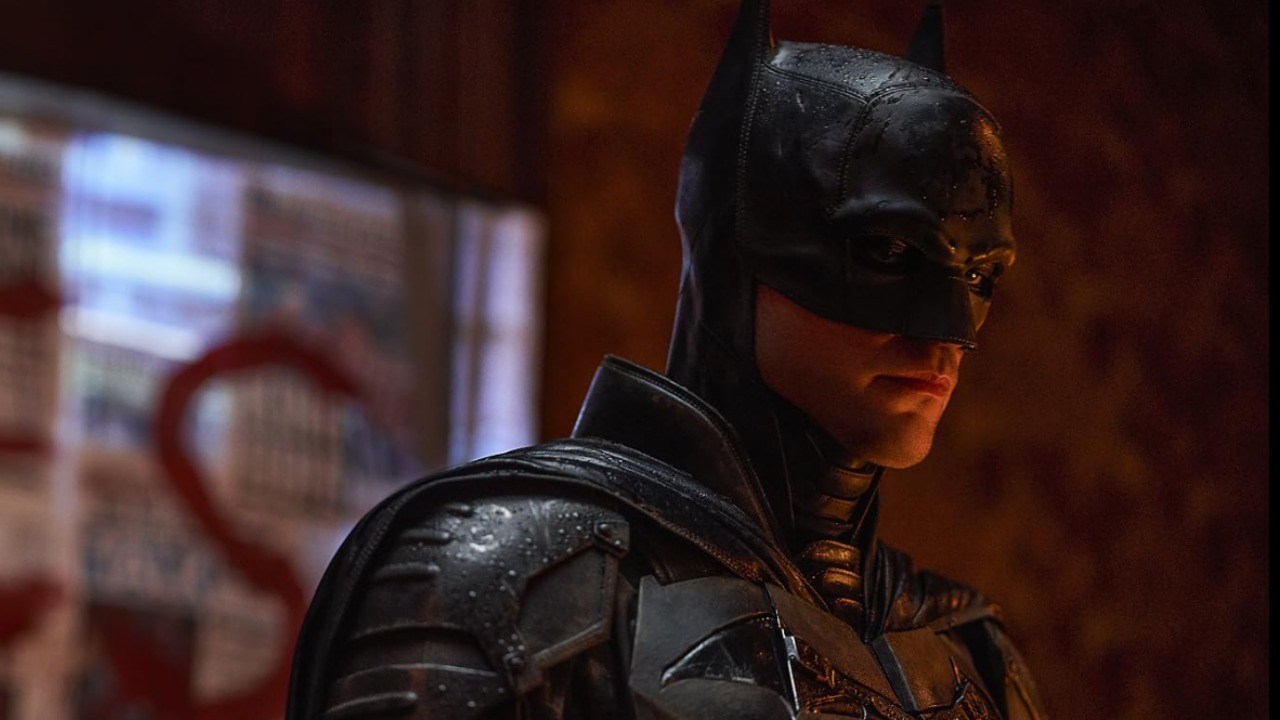
Production on The Batman: Part II, that sees Robert Pattinson reprising the role of the superhero, has officially hit a pause and Warner Bros. and DC Studios have announced that Steven Soderbergh will step in to help finish principal photography. Director Matt Reeves is currently attending to a personal family matter, but he remains fully committed to the project. This move ensures that work continues on the highly-anticipated sequel.
Reeves took to X on Thursday, October 15, 2026, to clarify his status with the film. He wrote, “Just to be clear, I am not leaving The Batman Part II.” He further added, “I am profoundly grateful to Steven for coming to my aid during this challenging time to help me finish principal photography. Thank you to all for your concern and well wishes. ?.”
Soderbergh, 63, expressed his commitment to maintaining the vision established by Reeves. In a statement obtained by PEOPLE, Soderbergh said, “I thought Matt Reeves’ work on The Batman was stunning; it was intentional, specific, and rigorously coherent.” He continued, “The goal here is to work with Matt and his team to generate footage that will integrate seamlessly with what’s already been shot so Matt can properly finish his film.”
The industry first caught wind of the production delay on October 5
Robert Pattinson, who leads the cast as the titular hero, confirmed the situation during the October 11 London premiere of his film Primetime. Pattinson told Official Pop Drop on the red carpet, “We’re pausing for a little bit and then we’re going to figure it all out.”
Soderbergh brings a massive amount of experience to the set. He won an Oscar in 2001 for Traffic and is well-known for his work on the Oceans franchise with Warner Bros. His recent directing credits include Black Bag, starring Cate Blanchett, and The Christophers, featuring Ian McKellan and Michaela Coel.
Reeves plans to return to oversee post-production as soon as he is able to do so. The film currently maintains its scheduled release date of February 18, 2028. The cast remains star-studded, featuring Jeffrey Wright as Jim Gordon and Colin Farrell as The Penguin, with Sebastian Stan and Scarlett Johansson joining as Harvey and Gilda Dent.
The transition is collaborative
While director swaps are often associated with creative friction or scandal, this transition is explicitly collaborative. Variety reports that Hollywood history is filled with instances of films being finished by second directors, though the circumstances vary wildly. For example, Spartacus in 1960 saw Anthony Mann replaced by Stanley Kubrick after Kirk Douglas felt Mann had lost control of the set. Kubrick went on to deliver a massive critical and commercial success.
In more recent years, Bohemian Rhapsody saw Dexter Fletcher step in for Bryan Singer to finish the final third of the biopic. That project faced rumors of unreliability and on-set conflicts, yet it still became a massive hit.
Justice League in 2017 offers a different example, as Zack Snyder stepped away during post-production to grieve the loss of his daughter. Joss Whedon took over to complete the project, which led to significant changes and a long-standing controversy that eventually resulted in the release of The Snyder Cut.
Other projects have faced even more chaotic transitions
The Island of Dr. Moreau in 1996 became a legendary disaster after director Richard Stanley was fired early into production. John Frankenheimer replaced him, but the set remained plagued by tension between the actors and the new director. Similarly, Superman II saw Richard Donner replaced by Richard Lester after tensions with producers boiled over during the simultaneous production of the first two films.
Pixar’s Brave also saw a change in leadership when Brenda Chapman was replaced by Mark Andrews following creative differences. Chapman later spoke out about the situation, noting the lack of female-led stories in the industry. Then, Solo: A Star Wars Story saw Phil Lord and Christopher Miller replaced by Ron Howard due to creative differences with the studio.
The situation with The Batman: Part II stands out because it is built on mutual respect. Soderbergh’s focus is purely on supporting Reeves’ vision rather than altering it. By integrating his work with what has already been shot, Soderbergh is providing the stability needed to keep the project on track.
Fans can expect the same tone and atmosphere that defined the first installment, as the production team works to ensure the final product remains a cohesive experience. With Reeves returning for post-production, the creative core of the film remains intact, proving that even in a high-pressure industry, collaboration can take precedence over conflict.
Have a tip we should know? [email protected]
Follow The Mary Sue:
