


Trump waives new Russia sanctions before they take effect, and Putin’s envoy calls it ‘a truly historic moment’
All's fair in oil and politics.
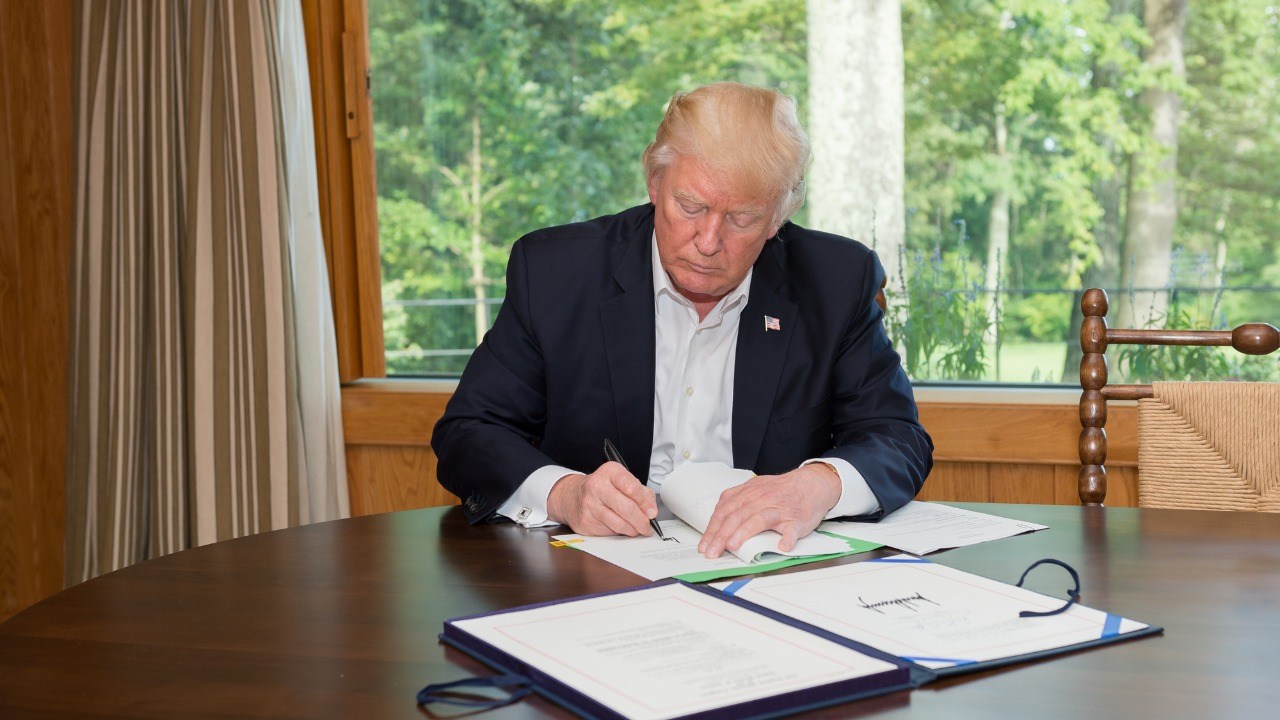
President Donald Trump has waived several new sanctions and tariffs authorized under a law targeting Russia, days after a deal to allow Russian diesel exports drew criticism from lawmakers who warned it could help fund Moscow’s war against Ukraine.
In an executive order, Trump waived several measures under the Lindsey O. Graham Sanctioning Russia and Iran Act of 2026, a law he signed the previous month. The law was designed to increase economic pressure on Russia by targeting Russian officials, financial institutions and other entities, while also threatening steep tariffs on goods from countries that continue buying Russian oil and gas.
Trump said the decision was in the country’s national interest. The waiver covers multiple sanctions and restrictions under the new law, as well as additional import duties, but does not cancel every existing sanction against Russia. The suspended measures will remain on hold until Trump or designated officials decide further action is appropriate.
The decision follows backlash over Trump’s October 9 announcement that Russia would supply diesel to global markets in an effort to lower fuel prices. On October 13, a dozen US senators, including six Republicans, urged Trump to reverse the agreement, arguing that it could provide Russian President Vladimir Putin with more revenue to sustain the war against Ukraine, the Associated Press reported.
“This deal is a gift to our adversary and a betrayal of our Allies; it should be rescinded,” the senators wrote in a letter addressed to Trump. The criticism of the diesel agreement has since become part of a broader dispute over Trump’s approach to Russia and the economic pressure Washington should maintain over the war.
What the sanctions were meant to do
The Graham Act was designed to make it more costly for Russia to continue its war against Ukraine. It included measures targeting people and organizations connected to the Russian government, financial institutions linked to Moscow, and other entities supporting the state.
The law also authorized tariffs of up to 100% on goods from major buyers of Russian oil and natural gas, as well as countries identified as helping Russia evade sanctions. Those tariffs could have made exports to the US significantly more expensive for affected countries, including major purchasers of Russian energy such as China and India.
Trump’s order puts key parts of that plan on hold before the new measures were due to take effect. The law itself remains in place, and the order allows the administration to revisit the decision later. Existing sanctions imposed under earlier executive orders targeting Russia are not automatically lifted by the waiver. The move also follows Trump’s earlier announcement of an energy ceasefire between Russia and Ukraine as part of his push to end the war.
Lawmakers warn Russia could benefit
The waiver drew swift criticism. Democratic Representative Don Beyer accused Trump of undermining the law’s purpose, while Ukrainian President Volodymyr Zelenskyy, who had already criticized the diesel deal, lamented the decision on X, writing that the act “could have helped enormously.”
The dispute also centers on whether the diesel agreement can deliver meaningful relief from high fuel prices. Trump has presented the deal as a way to increase supplies, but critics have questioned whether the additional fuel would make a substantial difference for American consumers while generating revenue for Russia.
Under the agreement described by Trump, Russia was expected to supply more than 300,000 metric tons of diesel initially, followed by 500,000 tons in November and another 1 million tons afterward. The arrangement comes as fuel prices and the cost of living remain political concerns ahead of the November 3 US midterm elections.
Russia welcomed Trump’s decision. Kirill Dmitriev, Putin’s investment envoy, called the waiver “a truly historic moment” in a post on X, adding that economic dialogue and peace efforts between the two countries would continue.
Have a tip we should know? [email protected]
Follow The Mary Sue:
