


Woman says scammer knew her exact DoorDash order before allegedly draining her bank accounts: “I had no reason to believe it wasn’t DoorDash”
The caller knew about a real delivery delay before ever asking her for a verification code.
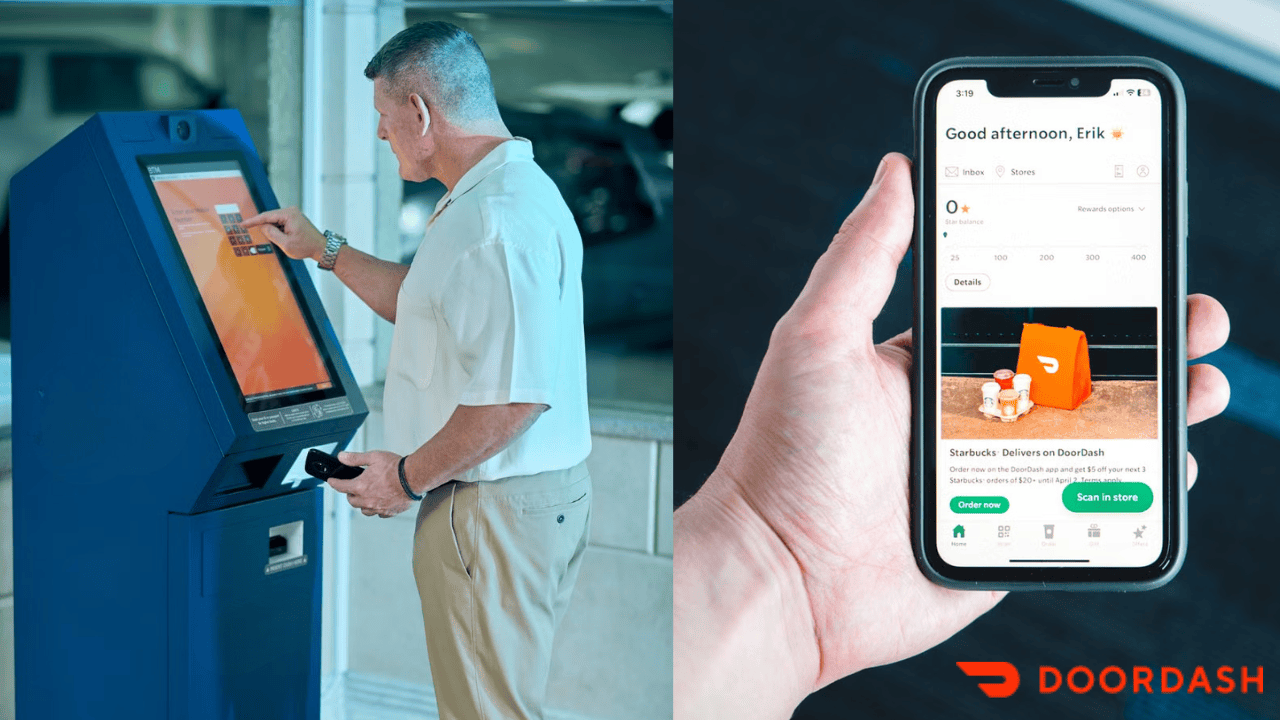
Jackie Stuller says she never expected to fall for a phone scam. Then someone called while she was actively tracking a delayed DoorDash order, knew exactly what her teenage son had ordered, and repeated the correct delivery address without her saying any of it first.
Stuller said in a Facebook post that she had ordered food for her son while attending a networking event. When her phone rang, “DoorDash” appeared on the caller ID. The man apologized for the delay she could already see in the app and offered her a credit for the inconvenience.
“I did NOT give him this information,” Stuller wrote. “So I had no reason to believe it wasn’t DoorDash.” By the time she realized something was wrong, she says the caller gained access to her PayPal account and two bank accounts.
The call stopped making sense when gift cards appeared
The caller told Stuller he needed to verify her identity before applying the credit and sent a code to her phone. She read it back to him, then later realized the code had come from PayPal rather than DoorDash.
He next told her to open the DoorDash app so he could walk her through accepting the credit. Stuller said she opened the shopping cart and found gift cards already loaded there. When the caller told her to continue, she hung up.
Almost immediately, she says, Wells Fargo began sending alerts about charges she did not recognize. Food orders she had never placed also started showing up at her house, adding another strange thing to what was already happening. Previous DoorDash customers have also questioned how much personal information a delivery order can expose.
Stuller wrote that she believed someone had hacked DoorDash before targeting her, though her post does not show how the caller obtained the order information. The Mary Sue also could not independently verify the charges or confirm that DoorDash itself experienced a breach connected to the incident.
One part of the scam is easier to explain. The Federal Trade Commission warns that scammers can spoof caller ID so that a familiar company name or phone number appears on the screen. The agency also cautions that a caller knowing personal details does not prove they actually work for the company they claim to represent.
The verification code was the part the caller still needed
What made the call convincing was not just the DoorDash name on Stuller’s screen. According to her account, the caller already knew enough about a real order to sound like someone who had access to it.
The verification code was the one thing he still needed from her. The FTC warns that scammers often ask for one-time codes because those codes can unlock an account even when they already have other information.
PayPal gives customers the same warning. The company says users should never share security codes and says it will not ask customers to provide one over the phone.
DoorDash also warns users not to share passwords or security codes, even if someone claiming to be Support already knows specific details about an order. That guidance closely matches the incident Stuller described.
Stories like Stuller’s are part of a much larger problem. The FTC says consumers reported nearly $3 billion in losses to impersonation scams in 2024 alone.
Stuller said she posted about what happened because she had always assumed she would know when a scammer was on the other end of the phone. What threw her off, she says, was how much the caller already knew before asking for the verification code, including the real order, the delay, and her address.
The Mary Sue reached out to Stuller for more information about the call and whether she recovered any of the money. She had not responded by publication, and this story will be updated if she does.
Have a tip we should know? [email protected]
Follow The Mary Sue:
