


Finally a Hollywood Director Has the Right Approach to AI
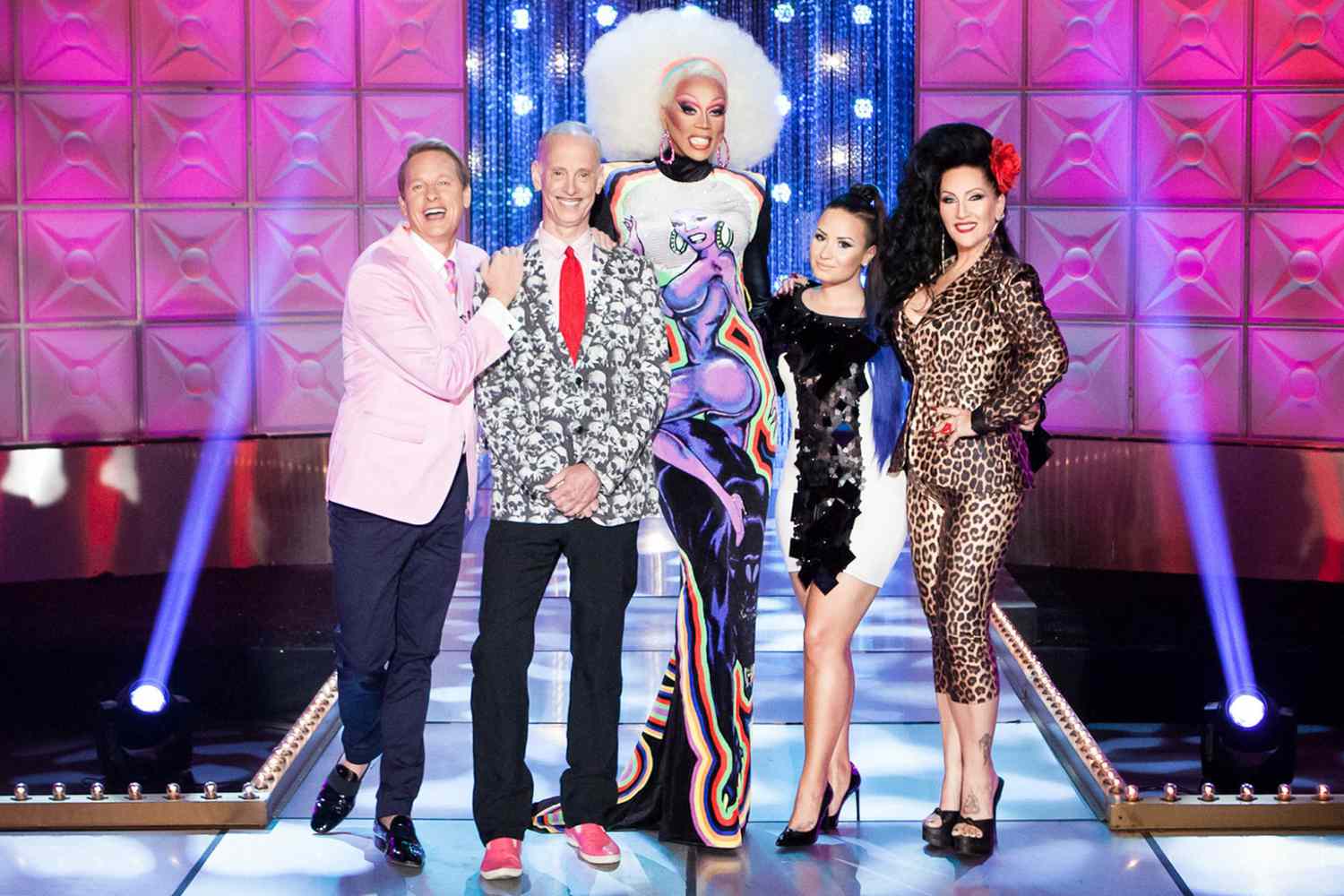
John Waters has spent his career embracing the strange, the unexpected, and the things that do not fit into conventional standards of ‘good’ taste. The filmmaker, writer, actor, and artist became a cultural icon through his boundary-pushing work, including films like Pink Flamingos, Female Trouble, and Hairspray, where each challenged mainstream ideas of comedy, beauty, and what belonged on screen. Often referred to as “Pope of Trash,” Waters built his reputation around celebrating the unconventional and pushing creative boundaries. Because Waters’ built his career around that originality, experimentation, and creative strides, his views on artificial intelligence offer a unique perspective on how technology may shape the future of art.
Artificial intelligence, commonly known as AI, refers to technology designed to perform tasks that typically require human intelligence, also including generating text, creating images, recognizing patterns, and analyzing information. In recent years, generative AI tools have become increasingly common in creative industries, allowing users to produce written content, artwork, music, and other forms of media with the help of computer systems trained on large amounts of existing data.
As AI becomes more involved in entertainment, the technology itself has sparked major debates among creators who are questioning where the line should be between using a tool and replacing human creativity. While some see AI as a way to speed up the creative process, others worry that it could reduce opportunities for artists, writers, and performers or create work that lacks a genuine human perspective.
John Waters Draws A Line Between Technology & Creativity
Despite his reputation as someone who has always pushed against traditional rules, John Waters is not rejecting AI entirely. He just does not believe it belongs in the creative process.
In a recent interview with Billboard, Waters explained that he could see AI being useful for solving major problems, saying he would use it “to cure cancer.” But when it comes to writing he has no interest in hanging any part of that creative process over.
“Not to help me write,” Waters said. “I wouldn’t do it.”
His reasoning was not that AI is incapable of producing something. Waters had already seen what the technology was capable of creating. The problem, he explained, was that the result felt like exactly what many writers fear: something technically functional but missing that human spark.
“I saw something that was written supposedly for me by AI, and it was just like a really bad first draft,” Waters said. “But yes, it was a first draft.”
That discernment is very important. For Waters, writing is not simply about producing words on a page. It is about the personal choices, strange ideas, and imperfections that turn a piece of work into something recognizable. A first draft is never the final product. The first draft is where the human part of creativity bleeds out and begins.
AI’s Perfection Does Not Replace Human Creativity
Less about the actual technology itself, Waters’ criticism is pointed toward what happens when creativity becomes separated from the person creating it. His entire career has been built around a very specific kind of individuality. From his early underground films to his influences casted onto alternative cinema, Waters has made a name for himself by celebrating the unusual and refusing to smooth out the edges of his work.
This may be why his other criticism of AI is especially telling: “It looks too good.”
Many people associate AI with efficiency and polish, John Waters sees something missing that perfectly compiled piece. Art is often memorable because of what makes it imperfect. The mistakes, edges, unexpected details, and all of the personal experiences that nobody else could add toward the final project.
Hollywood’s Ongoing Debate Over AI
The debate over AI in Hollywood has continued as writers, actors, and studios consider how the technology should be used in entertainment. Questions surrounding copyright, creative ownership, and whether AI should replace human labor continue to buzz in mainstream discussion.
Waters’ comments contribute to a larger concern among so many creators: that AI can imitate the appearance of art, but not fully understand the human experiences that create it.
For someone whose work has always celebrated the weird, the messy, and the unconventional, Waters’ stance feels very fitting. He is not arguing that technology has no place in the future. He is arguing that when it comes to storytelling, the things that make art human (including all of the flaws) are often the things worth protecting.
(featured image: VH1)
This is an opinion piece. The views expressed in this article are those of just the author.
Follow The Mary Sue:
