


Biden Takes DOJ to Court to Bury the Audio That Could Rewrite the Narrative of His Classified Docs Scandal
Right to privacy Vs. Right to Information.
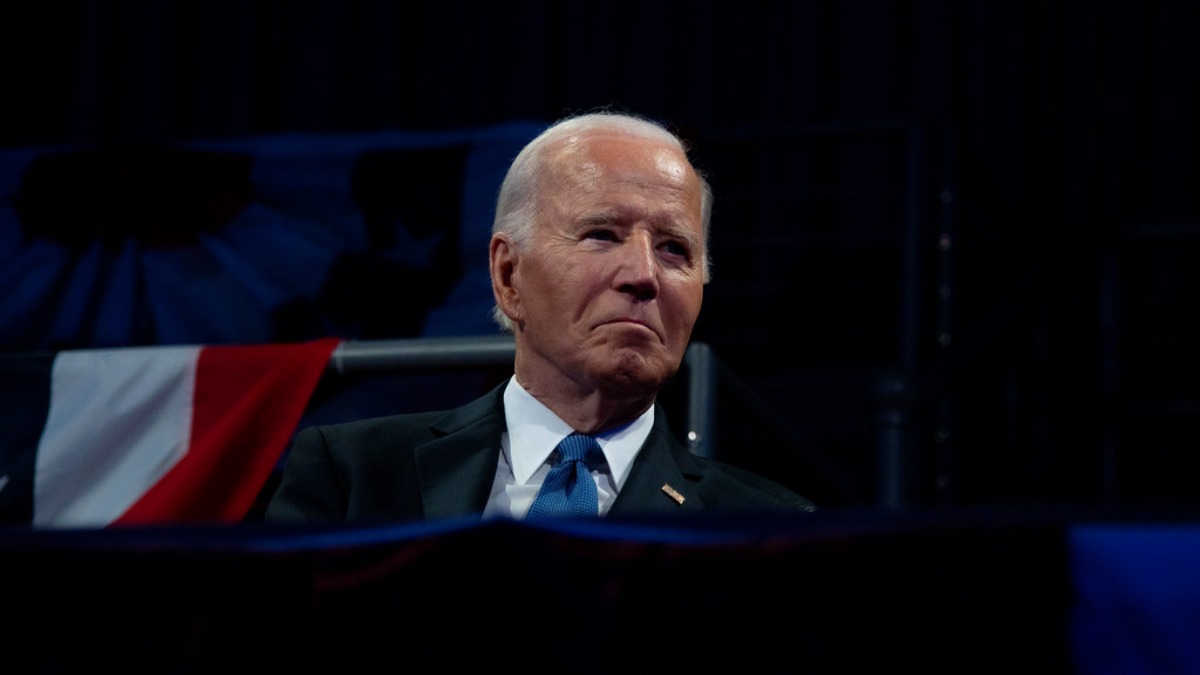
Joe Biden just took the Department of Justice to court to stop the release of audio recordings and transcripts that could reshape the narrative around his classified documents scandal. The lawsuit, filed in federal court in Washington, aims to block the DOJ from handing over files tied to Biden’s interviews with his memoir ghostwriter to Congress and the Heritage Foundation.
His legal team is arguing that releasing these files would violate his privacy, calling it an “unwarranted invasion” of personal conversations that took place in his own home. According to NPR, the recordings in question come from interviews Biden did in 2016 and 2017 with Mark Zwonitzer, who helped him write his memoir Promise Me, Dad.
Special counsel Robert Hur dug into those files during his investigation into Biden’s handling of classified documents from his time as a senator and vice president. Hur’s probe wrapped up with a 345-page report that raised questions about Biden’s age and mental sharpness but stopped short of recommending criminal charges. It noted that while Biden insisted he took classified information seriously, he sometimes struggled with dates and details during his interviews with prosecutors.
Biden’s legal team is framing the fight as a matter of basic privacy rights
“Every American, including a sitting or former Vice President, has a right to privacy in the personal conversations he has within his own home,” his attorneys stated. They’re also accusing the Department of Justice of overstepping by planning to release the files, arguing that it has a responsibility to protect private information gathered during criminal investigations.
The lawsuit specifically claims the DOJ is violating the Privacy Act and the Administrative Procedure Act, which sets legal guidelines for how the government operates. The timing here is no coincidence. The DOJ has already signaled plans to release the recordings and transcripts to the Heritage Foundation and Congress by June 15.
That deadline has Republicans and conservative groups eager to get their hands on the files, especially after the department under Donald Trump shifted its stance on transparency. A DOJ spokesperson, Natalie Baldassarre, didn’t hold back in her criticism of the previous administration’s efforts to keep the recordings under wraps.
“Joe Biden’s Justice Department tried to hide audio recordings that clearly demonstrate a significant decline in his cognitive abilities as far back as 2016,” she said, per BBC. “We will fight to ensure the American people can hear these recordings and draw their own conclusions about the former President’s mental acuity before he sought the presidency.”
This isn’t the first time Biden has pushed back against the release of these kinds of materials
Last year, the House voted to hold Attorney General Merrick Garland in contempt of Congress after the White House invoked executive privilege to block the release of audio from Biden’s interview with Hur. Transcripts of those five hours of interviews with federal prosecutors were eventually made public, and they painted a mixed picture.
While Biden repeatedly emphasized that he treated classified information with care, the transcripts also showed moments where he seemed uncertain about details, even saying he wasn’t familiar with the paper trail for some of the sensitive documents he handled. The political fallout from Hur’s report has been intense.
Republicans have accused the DOJ of giving Biden a pass while aggressively pursuing cases against Trump, who faced his own legal battles over classified documents found at his Florida estate. Democrats, meanwhile, have pointed to Biden’s cooperation with investigators as a key difference between the two cases. But the controversy didn’t stop there.
Hur’s report, which described Biden’s memory as having “significant limitations” and called his interviews with Zwonitzer “painfully slow,” sparked a broader debate about Biden’s fitness for office. That debate reached a boiling point after Biden’s disastrous debate performance last year, which led to mounting pressure from within his own party and ended his re-election campaign.
The recordings with Zwonitzer could add another layer to that conversation. According to Hur’s report, Biden referred to notes he took while serving as vice president during those interviews, and some of those notes appeared to contain classified information. The special counsel’s observations about Biden’s memory struggles were blunt, describing how he “struggled to remember events and straining at times to read and relay his own notebook entries.”
The lawsuit is Biden’s latest move in a high-stakes game of legal and political chess
His attorneys are arguing that the DOJ is using “false justification” to release the recordings, claiming it is doing so “for the sake of exposure, among other improper purposes.” That’s a strong accusation, and it underscores just how much is at stake here. The recordings aren’t just about classified documents — they’re about perception, memory, and the public’s trust in a leader who’s already faced intense scrutiny over his age and capabilities.
For now, the courts will have to weigh Biden’s right to privacy against the public’s right to know. The Justice Department’s decision to release the files by mid-June suggests they’re confident in their position, but Biden’s legal team is clearly digging in for a fight. If the recordings do see the light of day, they could either put some of the lingering questions about Biden’s handling of classified documents to rest or fuel even more controversy.
(Featured image: 3d U.S. Infantry Regiment The Old Guard)
Have a tip we should know? [email protected]
Follow The Mary Sue:
