


As Smoke Triggers Alerts in 20 States, Trump Accuses Canada of ‘Willful Negligence’ and Targets the Country’s Trade Status
Health hazard.
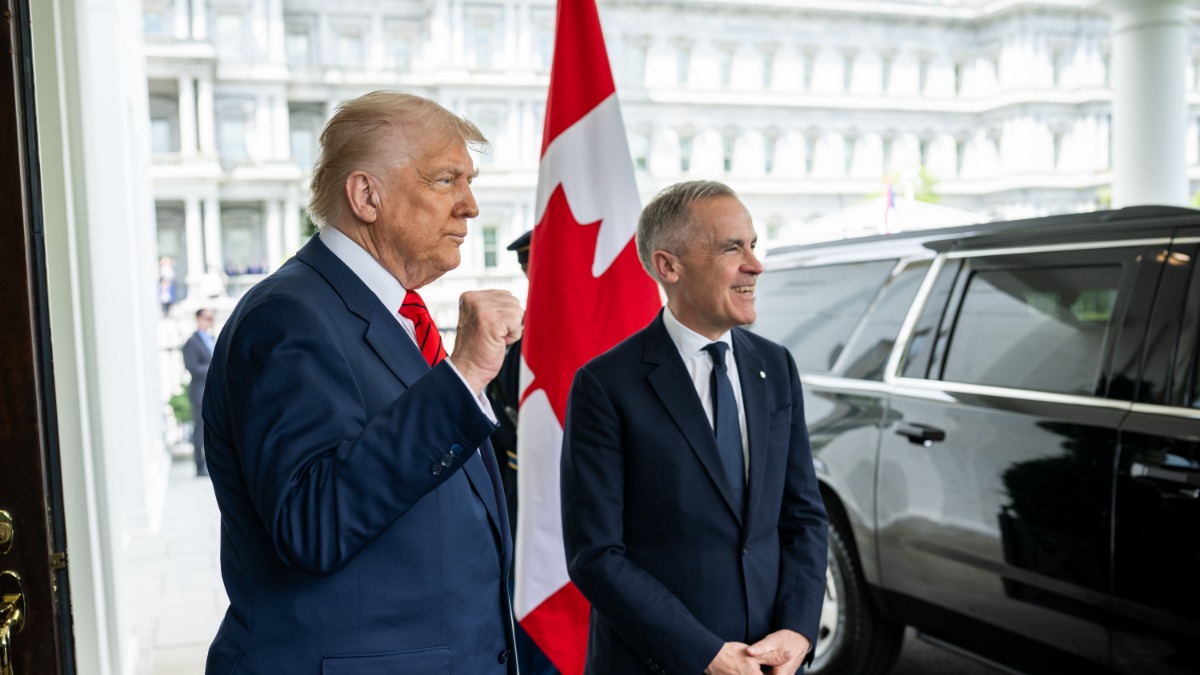
Smoke from Canadian wildfires has triggered air quality alerts in more than 20 states, and Donald Trump is pointing the finger squarely at Canada. According to Fox News, in a Truth Social post on July 17, 2026, Trump accused the country of “willful negligence” in forest management and suggested the economic fallout from the pollution should be tacked onto existing tariffs on Canadian imports.
“We are holding Canada responsible for the fact that they are not properly maintaining their Forests, and Brush therein, and the United States is being unnecessarily invaded by filthy, polluted, and unhealthy air, the quality of which is dangerous, and totally unacceptable!” he wrote. Trump also said he planned to call Canadian Prime Minister Mark Carney.
“Canada has refused to engage in basic Forest Management and Debris Removal, knowing that such refusal will lead to exactly this result,” Trump continued. “This is Willful Negligence, and becoming a yearly occurrence, costing the United States Billions of Dollars, which cost of this pollution must of necessity be added to the TARIFFS Canada is currently paying.”
The smoke is affecting millions across the US
The smoke, drifting south from nearly 850 active wildfires across Canada – including over 180 in Ontario – has blanketed states from the Upper Midwest to the Northeast. NASA data confirms the widespread impact, with air quality alerts affecting millions. Health officials have warned that the smoke poses serious risks, especially for people with heart or lung conditions, and have urged residents to monitor local air quality and limit outdoor activities when conditions worsen.
This isn’t the first time Trump has used tariffs as a political tool. Throughout his presidency, he’s wielded them like a cudgel in trade disputes. His Truth Social post doubled down on the idea that Canada’s inaction is costing the U.S. dearly. “The cost is incalculable!” he wrote, framing the issue as a recurring problem that demands economic consequences.
According to NBC News, the Canadian PM has pushed back indirectly, highlighting the U.S.’s own climate policy contradictions. At a recent press conference, Carney pointed out that while Canada is investing in clean energy, the U.S. has rolled back support for international climate initiatives. “Each of us has his own responsibility,” he had said.
“At the moment, we’re emphasizing investment in clean energy, but in the U.S., there are modes of production which are working against clean energy. And Canada is pursuing their efforts on the world scale, whereas the United States are reducing their footprint worldwide.”
Trump’s stance on climate policy has been clear. His administration has suspended funding for dozens of international climate programs and research groups. In March, a group of universities even sued the administration over its efforts to dismantle the country’s largest federal climate research center. The move underscores a broader shift away from global climate cooperation, which critics argue leaves the U.S. ill-prepared to handle environmental crises collaboratively.
It has become a political football
With the administration already planning to withdraw from the U.S.-Mexico-Canada Agreement (USMCA) as of July 1, the tariff threat adds another layer of strain to North American relations. The USMCA, in place for the last six years, has been a stabilizing force for trade across the continent, and its potential demise could reshape economic ties in unpredictable ways.
For now, millions of Americans are left dealing with the immediate consequences of the smoke. Cities like Minneapolis, Chicago, Detroit, Cleveland, Pittsburgh, Philadelphia, and New York are all grappling with hazardous air quality, forcing residents to adapt their daily routines.
If you’re in one of the affected areas, health officials recommend staying indoors when possible, using air purifiers, and keeping an eye on local advisories. The smoke may be invisible in some places, but its effects are hard to ignore.
(Featured image: The White House)
Have a tip we should know? [email protected]
Follow The Mary Sue:
