


Airport Travelers Are Being Swept Up in a Quiet ICE Surge That Is Detaining People With Valid Work Papers and No Criminal Record
An unsettling reality.
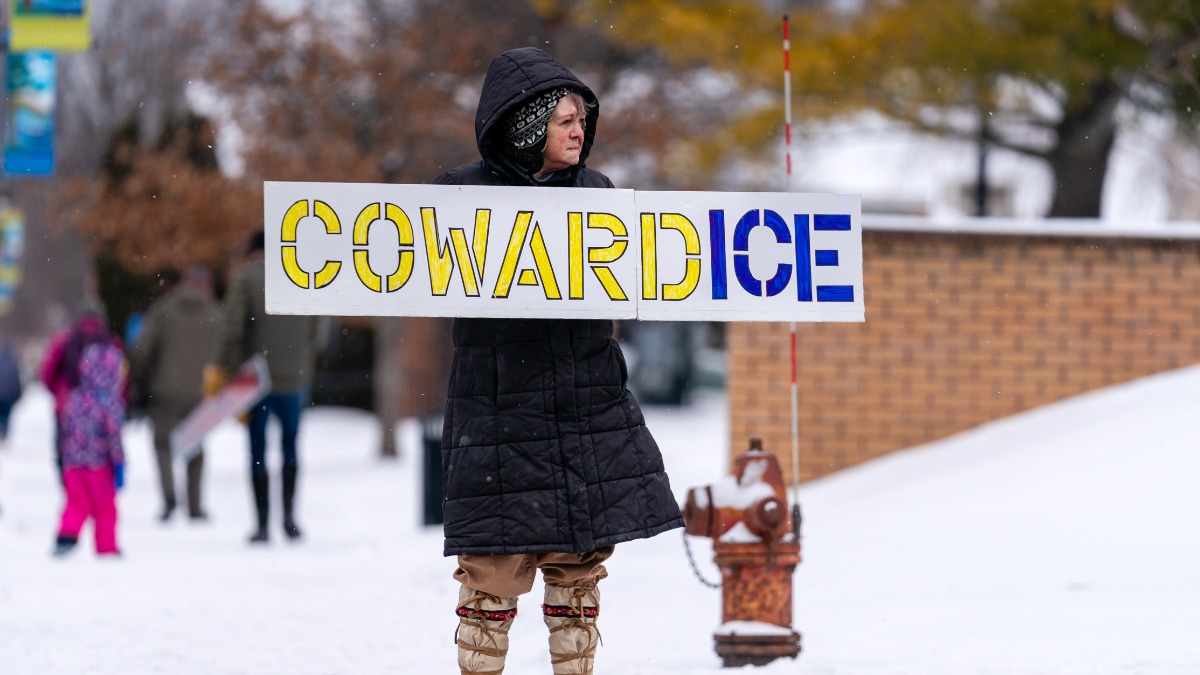
Airport travelers with valid work papers and no criminal record are being swept up in a quiet surge of ICE arrests, with July marking the highest single-month total in the agency’s history. According to ABC News, U.S. Immigration and Customs Enforcement detained 51,000 people last month, a record that includes more than 30 arrests at airports alone.
Immigration attorneys say some of those detained have proper work authorization or parole documents, raising concerns about how enforcement priorities are being applied. The Department of Homeland Security has not commented on the record-breaking numbers, but a DHS spokesperson said that the administration is cracking down on what it calls a Biden-era policy that allowed undocumented immigrants to fly domestically.
Under the current administration, DHS says it will no longer tolerate that practice. The shift means travelers who previously moved freely through airports are now at risk of detention, even if they have no criminal history and hold valid documentation. The surge in arrests comes as deportations for the fiscal year have already reached 356,389, according to ICE data.
There is a push for even more aggressive enforcement
While some supporters of the administration argue the numbers still fall short of addressing what they describe as a larger immigration issue, others are pushing for even more aggressive enforcement. Mike Howell, president of the Trump-aligned Oversight Project, said that worksite enforcement should be the central focus.
Howell also expressed concerns that inflated deportation statistics could be used to push for broader immigration compromises, which he opposes. Howell is currently suing DHS to obtain what he calls “real data” on enforcement efforts.
The increase in detentions isn’t just happening at airports. Across the country, ICE has been quietly expanding operations, with facilities like Delaney Hall in Newark becoming focal points for scrutiny. That’s where Edwin Lopez-Cornejo, a 39-year-old Salvadoran national, died last weekend following what ICE described as a “medical emergency.” His family is now demanding answers, questioning whether his care in custody was adequate.
Lopez-Cornejo had high blood pressure and diabetes, conditions his family says should have warranted closer monitoring. According to his mother, Maria Cornejo, he reported numbness in his face and arm the day before his death but was not immediately transported to a hospital.
“If he told the doctor he couldn’t feel half of his face and his arm, why wouldn’t the doctor order him to go to the hospital?” she said during a press event. The family claims hospital staff told them Lopez-Cornejo’s heart had already stopped beating by the time he arrived.
ICE says staff responded immediately
The agency maintains that Lopez-Cornejo received proper medical care and that staff responded immediately when he experienced the emergency. The agency says he was transported to a hospital, where he was pronounced dead. The official cause of death is still pending, but ICE has stated that it is committed to ensuring detainees reside in “safe, secure and humane environments.”
That assurance hasn’t eased the family’s grief or their calls for accountability. Lopez-Cornejo’s 12-year-old daughter, who did not want to be named, spoke at the press event, saying, “We were both dead, but the only difference is that his heart stopped beating and I’m going to grow up without a father.”
The family is now pushing for the release of all medical records from ICE and GEO Group, the private company that operates Delaney Hall. They’re also demanding the facility be shut down and all detainees released.
GEO Group has not publicly responded to the allegations, but the case has reignited concerns about conditions in ICE detention centers, particularly those run by private contractors. While ICE insists it follows strict protocols, incidents like Lopez-Cornejo’s death raise questions about whether those standards are being met in practice.
The broader context of these detentions is a shifting enforcement landscape
Under the current administration, ICE has been directed to prioritize removals of individuals who pose a threat to public safety or national security. However, the record-breaking arrest numbers suggest a broader net is being cast. Attorneys representing detainees say they’re seeing cases where individuals with no criminal record and valid work authorization are being picked up, sometimes at airports or during routine check-ins with immigration officials.
For travelers, the increased presence of ICE at airports is a new and unsettling reality. If you’re flying domestically and have an immigration case pending, even with valid documents, you could be at risk of detention. The administration’s stance is clear: if you’re in the country illegally, flying domestically is no longer a safe option.
The human cost of this enforcement surge is becoming harder to ignore. Families are being separated, and in some cases, lives are being lost. Lopez-Cornejo’s death is a stark reminder of the stakes involved. While ICE maintains that detainees receive proper care, his family’s account paints a different picture – one of delayed medical attention and preventable tragedy.
For now, the numbers tell the story. With over 51,000 arrests in a single month, ICE is operating at an unprecedented scale. What’s clear is that the quiet surge in enforcement is having a very loud impact on the lives of those caught in its path.
(Featured image: Lorie Shaull)
Have a tip we should know? [email protected]
Follow The Mary Sue:
