


Donald Trump Declares the US Doesn’t Need Troops in Iraq Anymore. Unveils a New Kind of Partnership
"Dual-tracking relationship."
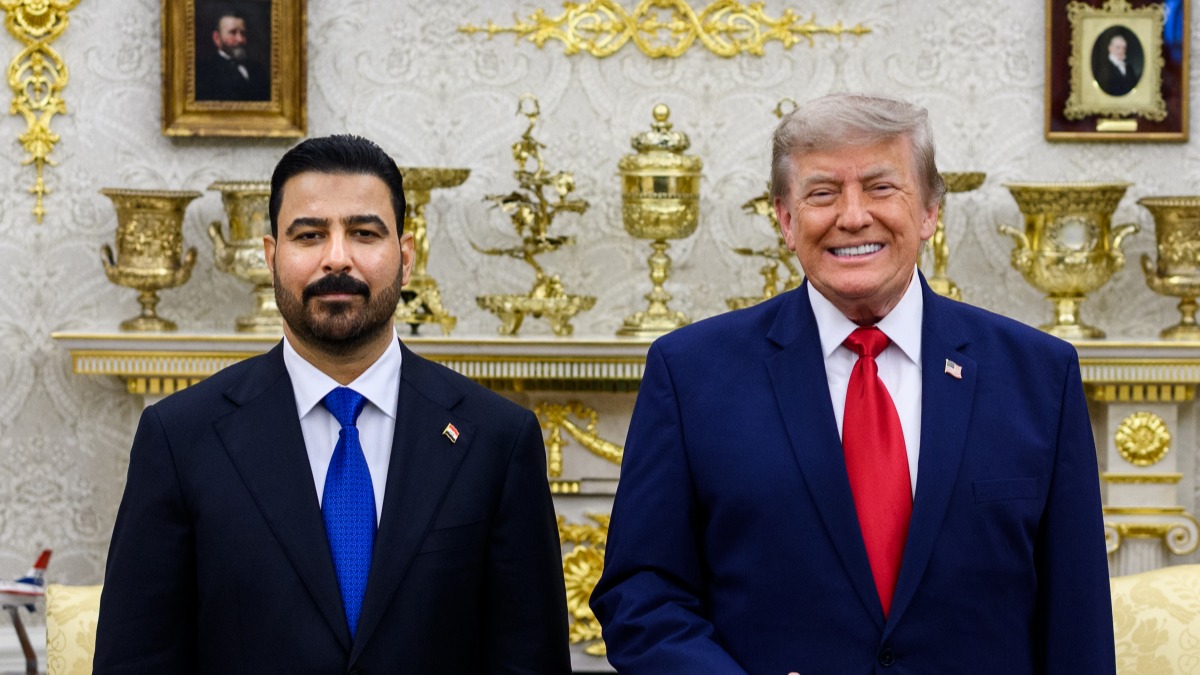
Donald Trump just declared that the U.S. no longer needs troops in Iraq, marking a major shift toward economic partnerships instead. According to ABC News 4, during a White House meeting with Iraqi Prime Minister Ali al-Zaidi on Tuesday, July 14, 2026, the president said the relationship between the two countries is evolving into something bigger, focused on oil and business deals.
“The relationship is a whole big relationship where we don’t need the military there,” Trump said, calling al-Zaidi “a great leader” and predicting he’d become a major figure in the Middle East. The announcement comes as the U.S. prepares to withdraw its remaining forces from Iraq by September 30, the same deadline al-Zaidi set for disarming Iran-backed militias operating in the country.
Trump framed the move as a natural progression, arguing that Iran – what he called the “bully of the Middle East” – has been weakened enough that Iraq no longer faces the same pressure from Tehran. He also took credit for the improved relations, saying ties between Washington and Baghdad had gone from “not so good” to “outstanding” under his leadership.
The pivot toward economic cooperation was a central theme of al-Zaidi’s visit
The Iraqi PM’s delegation included Iraqi business leaders and officials, and his office said the trip aimed to “strengthen economic and development partnerships, attract investment, and expand the role of U.S. companies in implementing infrastructure projects.” Trump echoed those goals, highlighting Iraq’s vast oil reserves and the potential for American companies to play a bigger role in the country’s energy sector.
“Iraq has tremendous potential because of their oil and because of other things, but because of their oil, and we’re going to be doing a lot of deals,” he said. The president called al-Zaidi “a fantastic champion, a new champion.”
But the transition isn’t without complications. Iran-backed militias, some of which have launched attacks on U.S. military bases and diplomatic facilities, have already pushed back against the disarmament deadline. Al Jazeera reports that Kataib Hezbollah, one of the most powerful groups within Iraq’s Popular Mobilization Forces (PMF), warned on Tuesday that it would immediately join any war against the U.S. if Iran were attacked.
“If a war is launched against the Islamic Republic of Iran, the participation of the resistance forces will be immediate and certain,” said Abu Mujahid al-Assaf, a Kataib Hezbollah official. The group’s stance underscores the tightrope Iraq is walking as it tries to balance its relationships with both the U.S. and Iran.
It’s a give-and-take equation
Trump’s administration has made it clear that future U.S. engagement with Iraq will depend on Baghdad’s progress in dismantling these militias. Ahead of al-Zaidi’s visit, an unnamed Trump official said the U.S. would make “informed” decisions about the relationship based on Iraq’s efforts to assert sovereignty over armed groups.
That pressure was reinforced later in the day when Secretary of Defense Pete Hegseth met with al-Zaidi. He said that Iraq “must assert its sovereignty and disarm the Iran-aligned militias” responsible for attacks on U.S. forces. For al-Zaidi, the stakes couldn’t be higher. Iraq relies on American companies to modernize its oil and gas sectors, and the prime minister is reportedly seeking an $8 billion loan from the International Monetary Fund (IMF) to support economic reforms.
But Iran’s influence in Iraq runs deep, with about 60% of the population identifying as Shia Muslim and Tehran maintaining strong ties with political parties, religious networks, and armed groups. Inna Rudolf, a senior fellow at King’s College London, said that while Iraq wants to deepen ties with the U.S., it “will not tolerate its territory being used as a launching pad for attacks against Iran.”
The challenge for Iraq is managing what Rudolf called a “dual-tracking relationship.” In this, formal diplomacy seeks stable engagement with both Washington and Tehran, but armed factions and political networks operate with their own agendas.
“Cooperation on trade, energy, and cross-border social ties coexists with mistrust, domestic contestation, and the persistent risk that armed resistance factions could act independently of Baghdad’s preferences,” she said. That balancing act becomes even more precarious as tensions between the U.S. and Iran escalate, raising the risk of Iraq becoming a battleground for proxy conflicts.
If the situation spirals, Iraq could face serious consequences
Rudolf warned that an escalation would bring “direct security spillovers,” with Iran-aligned factions potentially striking regional targets from Iraqi soil, inviting retaliatory strikes that could destabilize the country. Politically, government coalitions could fracture, making it harder to pass reforms, while economic fallout could disrupt trade, stall investment, and trigger new waves of displacement.
“The real danger is not necessarily all-out war but a thousand small escalations that hollow out Iraq’s sovereignty,” Rudolf said. Trump’s opposition to Iraq’s former Prime Minister Nouri al-Maliki, whom he viewed as too close to Iran, played a key role in shaping the current dynamic. Before Iraq’s government was formed, Trump warned that the U.S. would cut off assistance if al-Maliki took office, arguing the country couldn’t prosper without American support.
“Because of his insane policies and ideologies, if elected, the United States of America will no longer help Iraq and, if we are not there to help, Iraq has ZERO chance of Success, Prosperity, or Freedom,” he had said. Al-Maliki ultimately dropped out of contention in April. Now, with the U.S. military presence set to end and economic ties taking center stage, Iraq’s future hinges on whether al-Zaidi can navigate the competing pressures from Washington and Tehran.
The prime minister’s visit to the White House was a chance to showcase progress. However, the real test will come in the months ahead as Iraq tries to disarm militias, secure investment, and avoid being dragged into a wider conflict.
(Featured image: The White House)
Have a tip we should know? [email protected]
Follow The Mary Sue:
