


Billionaires Are Pouring Billions Into Trump’s Child Investment Accounts, a Move Meant to Reshape the Economy Before the Midterms
Long-term strategy?
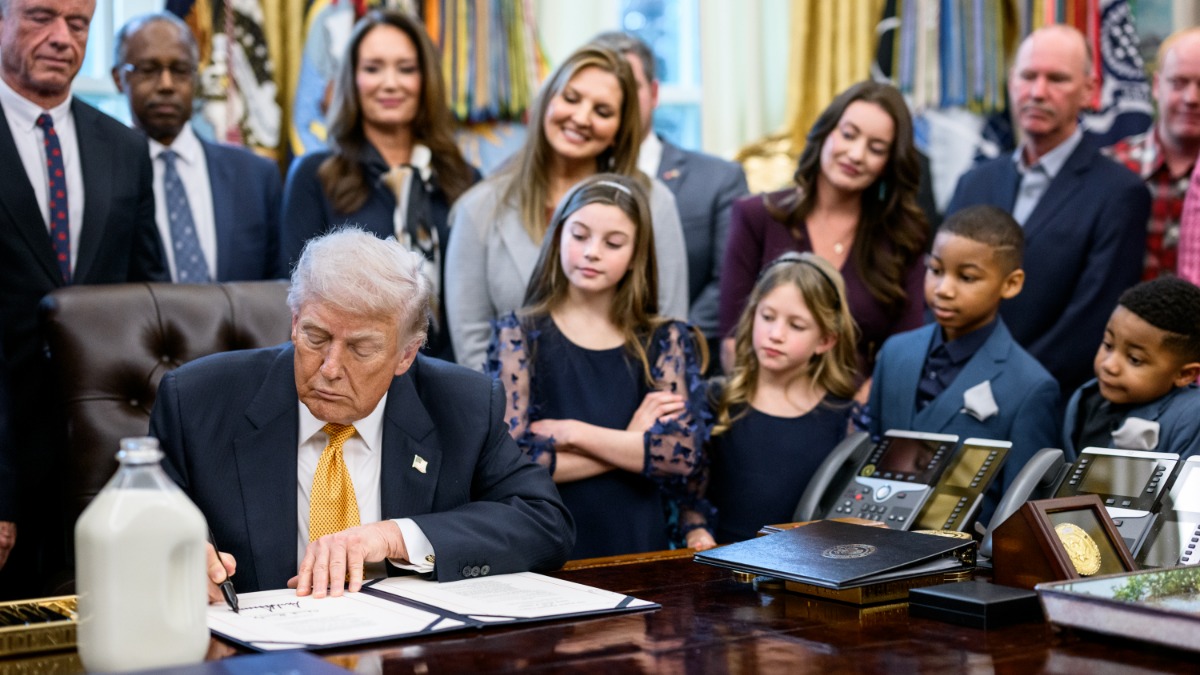
Billionaires are dumping billions into Trump Accounts for kids, a move that’s less about charity and more about reshaping the economy before the midterms. According to the Associated Press, President Donald Trump rang the opening bells for the New York Stock Exchange and Nasdaq from the Oval Office on Monday, July 6, 2026, using the moment to hype the new investment accounts designed for children.
The timing isn’t accidental. With inflation eating into his approval ratings and the midterms looming, Trump is betting that tying his presidency to stock market gains will sway voters, even if the benefits are decades away for most families. The Trump Accounts, officially launched on July 4 but celebrated with Monday’s bell-ringing ceremony, are structured like traditional IRAs but tailored for kids under 18.
Every child born between January 1, 2025, and December 31, 2028, gets a $1,000 seed deposit from the Treasury Department, invested in low-cost ETFs tracking the S&P 500. Parents or guardians can contribute up to $5,000 annually, but the money is locked until the child turns 18. After that, withdrawals are taxed as income. The goal, according to Trump, is to give the next generation a “big jump on life” by embedding them in the stock market early.
The optics of the Oval Office event were hard to miss
Flanked by the heads of the NYSE and Nasdaq, Trump framed the accounts as a pro-family initiative, one that would “help millions of Americans harness the strength of our economy.” But the reality is more complicated. Only 33% of U.S. adults approve of Trump’s economic leadership, according to a June survey by The Associated Press-NORC Center for Public Affairs Research, and inflation remains a stubborn thorn in his side.
The consumer price index has climbed 4.2% over the past year, up from 3% when he started his second term in January 2025. His tariffs and the war in Iran haven’t helped, pushing prices higher and eroding the very gains he’s trying to tout. Still, the Trump Accounts have already attracted heavyweight backers.
Michael Dell and his wife, Susan, pledged $6.25 billion to the program, while investor Ray Dalio and SpaceX President Gwynne Shotwell have also thrown their weight behind it. Shotwell even announced she’d donate SpaceX stock to the accounts. Trump joked that kids had missed out on the market’s recent gains because the accounts weren’t launched sooner. “We should have acted faster,” he admitted.
The delay hasn’t stopped billionaires from pouring money into the initiative
The accounts themselves are straightforward. The NY Post reported that parents can open one by filing IRS Form 4547, which links directly to their tax return. The initial $1,000 seed is automatically invested in the State Street SPDR Portfolio S&P 500 ETF, but other low-cost options are available, including funds from iShares and Vanguard.
Employers can also contribute up to $2,500 per child, and over 50 companies have already committed to matching contributions for employees’ kids. The Treasury Department is overseeing the program, with Bank of New York Mellon and Robinhood handling the initial rollout. For families trying to decide between Trump Accounts and 529 plans, the choice comes down to goals.
Trump Accounts function like retirement accounts, with tax-deferred growth but income taxes on withdrawals. They’re capped at $5,000 in annual contributions, but the long-term potential is significant. According to TrumpAccounts.gov, a child’s account could grow to $15,000 by age 27 and nearly $243,000 by 55. That’s a compelling pitch for parents thinking decades ahead.
529 plans, on the other hand, are designed for education savings. They offer tax-free growth if the money is used for qualified expenses, like college tuition or K-12 schooling. There’s no annual contribution limit, though families can gift up to $19,000 per child (or $38,000 for married couples) without triggering gift taxes. The flexibility makes 529s ideal for parents prioritizing education, while Trump Accounts are better suited for long-term wealth building.
The good news?
Families don’t have to choose. They can open both, maximizing their savings potential. The bigger question is who stands to benefit the most from Trump Accounts. The stock market’s recent performance tells part of the story. The S&P 500 posted a 17.9% gain in 2025, following back-to-back years of 25%+ returns under the previous administration. But those gains have largely accrued to wealthier households.
As Treasury Secretary Scott Bessent, who was present at the bell-ringing event, noted, “38% of American families do not have any exposure to our great equity markets.” The Trump Accounts aim to change that, but the immediate impact is limited. Most families won’t see tangible benefits until their kids are adults, long after the midterms have come and gone.
That hasn’t stopped Trump from framing the accounts as a political win. By tying his presidency to the stock market, he’s hoping to shift the narrative away from inflation and toward long-term economic optimism. Whether it works remains to be seen. The midterms are just months away, and voters are still feeling the pinch of higher prices.
But if the accounts take off, they could reshape how future generations interact with the economy – assuming, of course, the market keeps climbing. For now, the billionaires are betting it will.
(Featured image: The White House)
Have a tip we should know? [email protected]
Follow The Mary Sue:
