


Representing Herself From a Texas Prison, Ghislaine Maxwell Claims the Epstein Archives Hide Proof That Her Conviction Was Built on a Lie
‘Unmoored from law, logic or the record.’
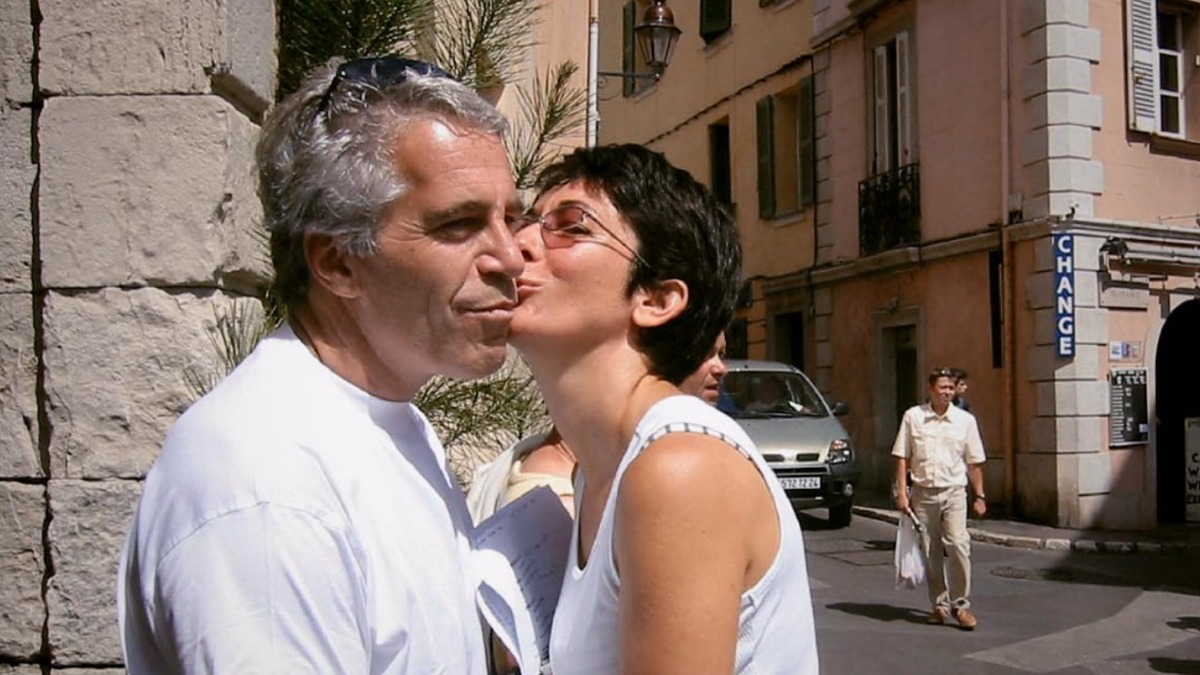
Ghislaine Maxwell is fighting to overturn her sex-trafficking conviction from behind bars, arguing the newly released Epstein files prove her trial was built on a lie. According to ABC News, in a court filing unsealed this week, the 64-year-old prisoner – serving a 20-year sentence in Texas – claims the millions of documents released under the Epstein Files Transparency Act expose constitutional violations that make her 2021 conviction “invalid, unsafe and infirm.”
Maxwell, now representing herself, insists no reasonable juror would have convicted her if the full evidence had been available during her trial. The unsealed petition, originally filed in April, centers on Maxwell’s claim that the Department of Justice withheld critical records that could have been used to impeach witnesses or challenge the prosecution’s case. She argues the cumulative effect of the newly disclosed files warrants an evidentiary hearing.
Maxwell writes that the court must consider the “cumulative force of a record that is substantially different from the record available during trial.” Her legal battle has taken a sharp turn since the release of the Jeffrey Epstein files, which she says expand the evidentiary landscape beyond what was presented to the jury. Without internet access in prison, she relied on media reports to construct her arguments, calling the task “almost impossible.”
Federal prosecutors have pushed back hard
They have dismissed Maxwell’s claims as speculative and procedurally barred. In a nearly 100-page rebuttal filed in May, Assistant U.S. Attorney Lara Pomerantz argued that Maxwell’s petition is “unmoored from law, logic or the record.”
Pomerantz, the only remaining member of the original trial team, urged the court to reject Maxwell’s request for an evidentiary hearing, writing that her victims “deserve finality.” The government acknowledged that some documents were not in Maxwell’s attorneys’ possession before trial but insisted none of the omissions would have changed the verdict.
Maxwell’s legal strategy hinges on proving that serious constitutional violations occurred during her trial or that new evidence demonstrates her innocence. To succeed, she would need to meet a high legal standard – one the government argues she has failed to reach.
In their filing, prosecutors called her claims “demonstrably wrong,” writing that she “utterly fails to carry her burden to overturn her proper conviction and just sentence.” If her petition is rejected, Maxwell has asked Judge Paul Engelmayer to certify the case for appeal. Her remaining options would then be limited to seeking a pardon or clemency.
The files have reignited scrutiny over who else was involved
While Maxwell remains the only person besides Epstein himself to face federal charges, the files reveal that the FBI identified several potential co-conspirators. Most of those named, however, were victims – young women who recruited others for Epstein. According to Politico, the Justice Department concluded last year that there wasn’t enough evidence to pursue charges against other individuals, despite allegations that Epstein “lent out” victims to influential friends.
The House Oversight Committee has been investigating the DOJ’s handling of the Epstein case, including the role of nondisclosure agreements (NDAs) in silencing victims. Committee members have discussed issuing subpoenas to compel testimony from Epstein’s associates who settled with accusers, though no subpoenas have been issued yet.
Brad Edwards, an attorney who has represented over 200 of Epstein’s accusers, said in a 2024 podcast interview that his clients could have sued between 10 and 15 of Epstein’s friends but chose to settle confidentially instead. Edwards described Epstein’s operation as a system where victims were “lent out” to powerful figures, some of whom allegedly coerced them into nonconsensual encounters.
Maxwell’s legal filings have drawn attention to these settlements
She argues that the men involved could have been called as witnesses in her trial. She claims she was denied a fair trial because the existence of these agreements was kept from her defense team. The House Oversight Committee has already interviewed some of Epstein’s associates, including Bill Gates, who was asked if he had secured a settlement related to Epstein. Gates denied any such agreement.
Other high-profile figures, like former Apollo Global Management CEO Leon Black, have settled civil claims related to Epstein without admitting wrongdoing. Black paid $62.5 million to the U.S. Virgin Islands to resolve legal claims tied to Epstein, though he has consistently denied any criminal misconduct. The committee’s investigation has also uncovered allegations against other Epstein associates.
Sarah Kellen, one of Epstein’s associates and accusers, told the committee that Miami Beach Mayor Philip Levine and celebrity hairstylist Frédéric Fekkai sexually assaulted her during trips with Epstein. Both men have denied the allegations, with Levine calling his encounter with Kellen consensual. The DOJ previously determined there was no prosecutable case against Levine or Fekkai, though it left the door open for a reevaluation if new evidence emerged.
Do the NDAs in Epstein-related cases serve justice or silence victims?
Lauren Hersh, CEO of World Without Exploitation, has urged the committee to use subpoenas to pierce confidentiality agreements, arguing that powerful figures have used them to avoid accountability. Edwards, however, has defended the use of settlements in some cases.
He says his clients often preferred to move on rather than endure public lawsuits. He noted that the media frenzy surrounding Epstein’s case has made many victims reluctant to come forward, citing the example of Prince Andrew, whose alleged involvement has drawn intense scrutiny in the U.K..
Maxwell’s legal battle is far from over. If her habeas petition fails, her last hope may rest with a presidential pardon. While her former attorney, David Markus, said last summer that she had not requested one, he added that she would welcome any relief. The president has said he hasn’t considered a pardon for Maxwell but hasn’t ruled it out. For now, Maxwell remains in the prison in Texas, fighting to rewrite the narrative of her conviction – one court filing at a time.
(Featured image: See It Now Studios/Fremantle)
Have a tip we should know? [email protected]
Follow The Mary Sue:
