


House Oversight Staff Hit a Wall at Ghislaine Maxwell’s Texas Prison, Leaving Them With More Questions Than Answers About Her Move
A dead end.
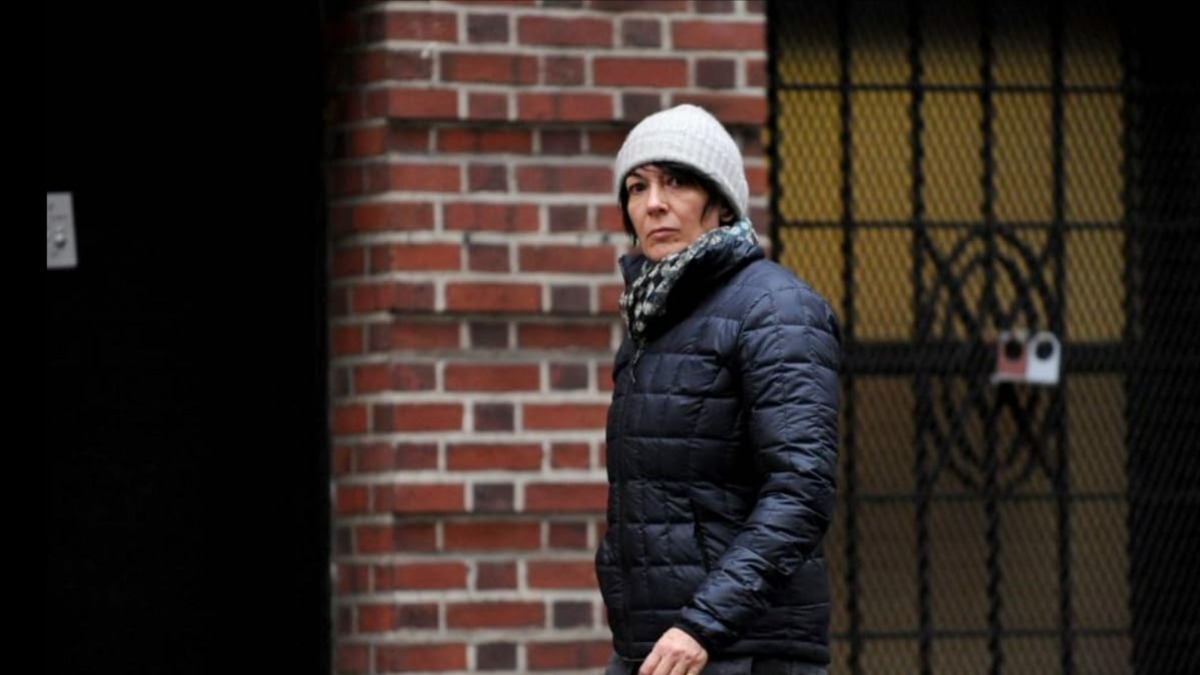
House oversight staff walked away from Ghislaine Maxwell’s Texas prison this week with more questions than answers. Representatives Robert Garcia and Jamie Raskin said their teams toured the minimum-security federal prison camp in Bryan, Texas, on June 16, 2026, to dig into why Maxwell was transferred there and whether she’s getting special treatment. Instead of clarity, they hit a wall of silence from the Bureau of Prisons (BOP) leadership.
According to The Guardian, the prison staff gave them a full tour of the facility, which houses about 635 female inmates. But when it came to the big questions, like why Maxwell, a convicted sex offender, is the only one of her kind at a minimum-security camp, they got stonewalled. Bureau of Prisons officials either shut down their questions or claimed they didn’t have the answers.
Garcia told reporters the warden couldn’t even explain why Maxwell was moved there in the first place. “Of the 600-plus women that are there, she is the only convicted sex offender at that facility,” he said. “He could not answer and does not know why she was actually moved there.”
The visit didn’t just leave them empty-handed on Maxwell’s case
They also raised concerns about broader issues at the prison, including allegations of sexual assault and retaliation against inmates who tried to speak up. “We also have serious concerns about the accuracy and veracity of information received by our investigative staff,” the lawmakers said in a statement. Their investigation isn’t over, and they made it clear they’re not backing down.
The Bureau of Prisons pushed back, calling the visit “extensive and transparent.” A spokesperson said they addressed every topic they could, but they can’t discuss ongoing investigations, personnel actions, or litigation.
“We acknowledge the importance of transparency and respect the role of elected officials overseeing government operations,” the BOP said. “We remain committed to working with our Congressional partners.” Still, the fact that they couldn’t, or wouldn’t, answer basic questions about Maxwell’s transfer doesn’t exactly scream transparency.
Maxwell is serving a 20-year sentence
The sentence is for her role in Jeffrey Epstein’s sex-trafficking operation. She was moved to the Texas prison camp last summer, about a week after she was interviewed by then-deputy attorney general Todd Blanche.
That interview happened amid growing pressure for more transparency around the Epstein case and calls to release more records tied to the late convicted sex offender. The move to a minimum-security facility raised eyebrows, especially since sex offenders are usually placed in low-security prisons, not camp-like settings.
Blanche has defended the transfer, saying it was necessary for Maxwell’s safety because of threats against her. But critics, including Garcia, aren’t buying it. “Uniformly, by the way, all the staff came back with the same conclusion, which is that this is a park-like campus, and Ghislaine Maxwell should not be there,” he said. The staff weren’t allowed to see Maxwell during their visit, which only added to the frustration.
This isn’t the first time lawmakers have raised concerns about Maxwell’s treatment
In November, Raskin sent a letter to the President asking whether anyone in the administration had directed Blanche or others to give Maxwell special accommodations. The letter cited whistleblower claims that Maxwell was getting custom meals, that her guests could bring in computers, and that she even had access to a puppy. At the time, the BOP said it takes allegations of preferential treatment seriously and investigates them thoroughly.
In January, Raskin and Garcia sent another letter, this time to then-attorney general Pam Bondi, asking to visit the prison and interview the warden. They said more than a dozen whistleblowers had come forward with accounts of Maxwell’s treatment and other issues at the facility.
Among the allegations were claims that Maxwell was allowed to use a laptop unsupervised, that she had more personal and legal possessions than other inmates, that she got bottled water while others drank tap water, and that she was given access to staff-only areas to watch TV alone. Maxwell’s lawyer, David O. Markus has dismissed the allegations as political theater.
In a statement to the New York Times, he said, “The rule of law matters most when it protects the least popular defendant. Humane treatment isn’t special treatment, and political prison tours don’t move the country forward.” But if humane treatment is the standard, why are other inmates at the same facility reportedly living under stricter conditions?
The Bureau of Prisons has rules against giving inmates preferential treatment
Violations can lead to disciplinary action, including firing. But the fact that lawmakers keep running into roadblocks suggests something isn’t adding up. The agency’s own standards explicitly prohibit staff from giving any inmate special treatment, yet Maxwell’s case keeps raising red flags.
The prison camp in Bryan is designed to be less restrictive than other facilities, with a focus on rehabilitation and preparing inmates for reentry into society. It’s a far cry from the low-security prison in Florida where Maxwell was originally held. Minimum-security camps like Bryan are typically reserved for nonviolent offenders with short sentences, not convicted sex traffickers. The fact that Maxwell is the only sex offender there only makes her presence more puzzling.
Lawmakers aren’t just focused on Maxwell, though. They’re also looking into broader issues at the facility, including allegations of sexual assault and retaliation against whistleblowers. If the Bureau of Prisons is struggling to provide answers about Maxwell, it’s hard to imagine they’re handling these other serious concerns any better. The lack of transparency is frustrating, especially when the stakes are this high.
For now, the investigation continues. Raskin and Garcia have made it clear they’re not going to let this go, and they’ve got the backing of whistleblowers who say something isn’t right. The question is whether the Bureau of Prisons will start cooperating or keep stonewalling.
(Featured image: Paramount+ / See It Now Studios (CBS News) / Fremantle / ITVX)
Have a tip we should know? [email protected]
Follow The Mary Sue:
