


The CDC says America’s sleep crisis is getting worse. So travelers are checking into retreats run by ‘dream experts’
Destination sleep.
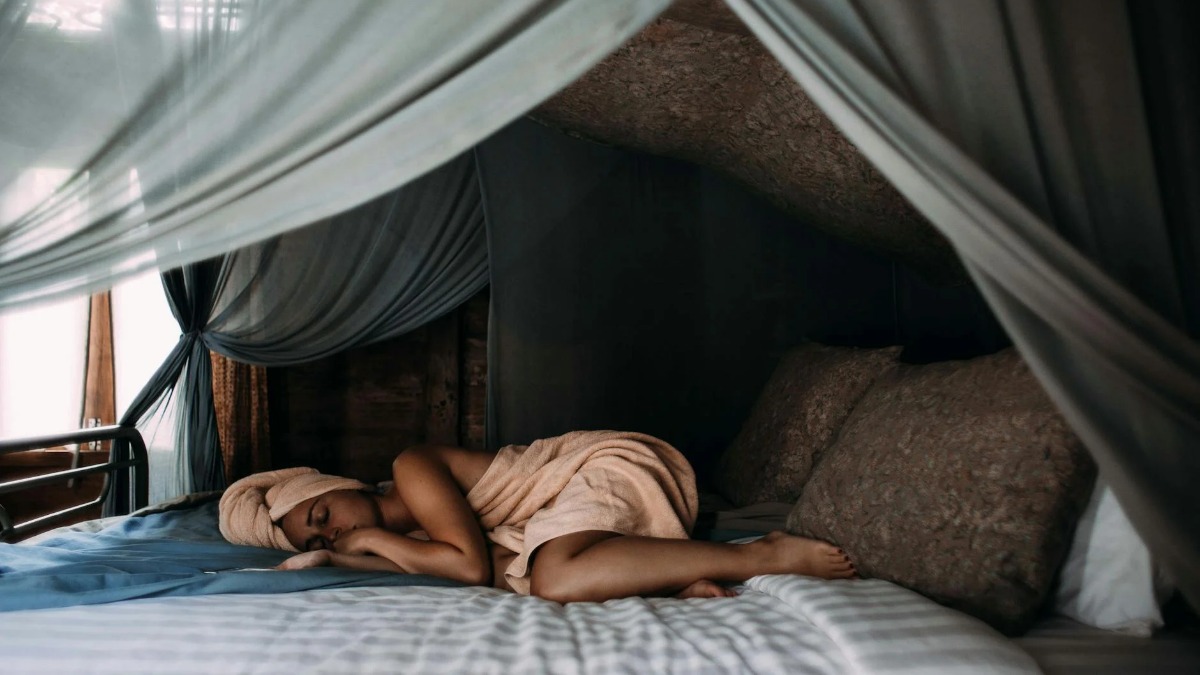
The Centers for Disease Control and Prevention (CDC) just confirmed what most of us already know – America’s sleep crisis is getting worse. Now, travelers are fighting back by booking retreats run by so-called “dream experts,” turning rest into the main event of their vacations.
According to Us Weekly, sleep tourism is exploding, with hotels, wellness resorts, and even medical retreats designing entire trips around one goal: helping people finally get a decent night’s rest. Instead of cramming itineraries with sightseeing and late-night dinners, these stays focus on smart beds, blackout rooms, spa treatments, and personalized programs to reset your sleep cycle. It’s not just about luxury bedding or a fancy pillow menu, though those are part of it.
Charlie Morley, a sleep and dream expert who’s worked with hotels like Nômade in Tulum and Kimpton Fitzroy London, says the trend reflects how people are rethinking their health. “People have long been looking at their diet and physical health via fitness, but the next chapter is sleep,” he said. “Hotels have realized that people are using these trips, where they’re away from work or their children, as a chance to really prioritize good sleep.”
The numbers are hard to ignore
A 2024 report by HTF Market Intelligence found the global sleep tourism sector is already worth over $690 billion, with projections showing it could grow by another $400 billion by 2028. That kind of money doesn’t appear out of nowhere. It proves Americans are desperate for solutions.
The CDC reports that about 36% of adults aren’t getting enough sleep, while a Gallup survey found nearly half of people are struggling with stress and sleep problems. The National Sleep Foundation’s 2025 Sleep in America Poll revealed even more alarming stats: six in 10 adults aren’t hitting the recommended seven to nine hours of quality sleep per night, and nearly four in 10 have trouble falling asleep at least three nights a week.
The consequences go beyond just feeling tired. The same study found that adults with good sleep satisfaction are nearly twice as likely to “flourish” in life compared to those who don’t sleep well. “Poor sleep health is a major risk factor for lower well-being across multiple areas of life,” said Dr. Joseph Dzierzewski, the NSF’s senior vice president of research. “Prioritizing sleep health can improve mental health, workplace efficiency, and stronger personal relationships.”
Sleep specialists to the rescue
Sleep specialists in luxury hotels and resorts design programs that go beyond a simple nap by the pool. Some retreats now offer medical-led stays that diagnose sleep issues, while others focus on circadian rhythm support, recovery treatments, and even dream coaching. Morley predicts technology will play a bigger role in the future, with innovations like smart beds that track sleep quality and provide data-driven feedback.
You don’t need to book a luxury retreat to get in on the trend. Many of the same principles can be applied at home with a DIY sleep staycation. Start by treating your bedroom like a five-star hotel – upgrade your sheets, install blackout shades, improve soundproofing, and invest in a mattress and pillow that suit your sleep style. Small environmental changes like controlling light, sound, and temperature can make a huge difference, just like they do at high-end retreats.
The next step is carving out dedicated time to focus on rest. Set aside a long weekend or a few days off work to step away from your normal routine, and create a space that feels restorative. Popular sleep-focused activities include evening yoga and meditation, relaxing baths, fancy spa-style facials, and sound baths using white, pink, or brown noise.
Sleep tourism isn’t just a passing fad
With stress levels rising and sleep quality declining, more people are willing to pay for solutions that actually work. Jules Perowne, CEO and founder of Perowne International, tells Condé Nast Traveller, “It is no longer enough for a hotel to just offer wellness on the side; they need to embrace it by offering a more holistic approach to wellness, with a specific goal in mind and the most in-demand goal currently is improved and enhanced sleep.”
The rise of sleep retreats also highlights how much we’ve undervalued rest in the past. Sarah Wilde, a sleep consultant at Beyond Insomnia, explained that “sleep is one of the key pillars of good health and performance, and both will suffer with prolonged lack of sleep.” She pointed out that chronic sleep deprivation can lead to low mood, depression, and even weight gain due to hormonal imbalances.
So what exactly is a sleep retreat?
A sleep retreat is a stay at a hotel, spa, or wellness clinic designed specifically to help you sleep better. Some offer simple upgrades like pillow menus or herbal teas, while others provide comprehensive multi-day programs led by specialists. These retreats often include diagnostics to identify the root causes of sleep issues, followed by personalized treatments like yoga, meditation, reflexology, and even acupuncture.
Some hotels now provide sleep trackers or wearable tech to monitor breathing and movement throughout the night, giving guests real-time feedback on their rest. Malminder Gill, a Harley Street hypnotherapist and sleep expert, said the trend is driven by a desire for wellness-based travel with long-lasting effects. “Guests want more than just a bed for the night; they want an experience and something that enhances their wellbeing,” she said.
Of course, the effectiveness of a sleep retreat depends on your individual needs. If you’re dealing with chronic insomnia, a few nights at a luxury hotel might not solve the problem long-term. But for those struggling with stress-related sleep issues, a retreat can provide the tools and environment needed to break the cycle.
(Featured image: Rachel Claire on Pexels)
Have a tip we should know? [email protected]
Follow The Mary Sue:
