


DeSantis’ $608M Trump-backed torture camp in the Everglades is collapsing but the real cost of Alligator Alcatraz isn’t just money
The fall of a monument to cruelty.
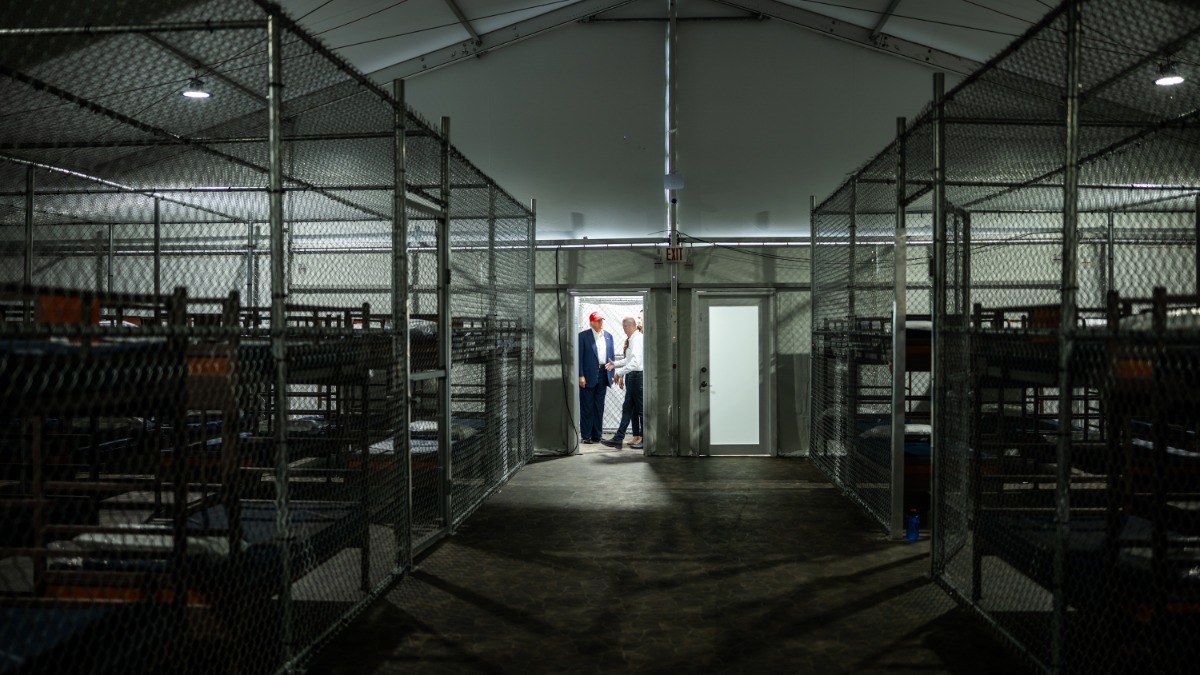
Ron DeSantis’ $608 million Alligator Alcatraz immigration jail in the Florida Everglades is shutting down next month, state officials have confirmed. The notorious Trump-backed tented camp, celebrated for its harsh conditions, will begin dismantling after less than a year of operation. But the real cost of this facility goes far beyond the wasted taxpayer money. It’s a story of environmental destruction, human suffering, and a political stunt that spiraled out of control.
According to The Guardian, state officials told vendors on May 12, 2026, to prepare for the breakdown of the camp, which has been hemorrhaging $1.2 million per day since it opened last July. DeSantis himself all but confirmed the closure during a press conference in Titusville on May 13, framing it as a temporary solution that’s no longer needed.
“We didn’t build any permanent facilities down there because we knew it was going to be temporary,” he said. “Now [the federal government] has gotten a lot of money. Over the last nine months, they’ve been able to work and adjust their operations accordingly.” But the truth is far messier.
The camp was a performative crackdown on immigration
Alligator Alcatraz, officially run by Florida’s Division of Emergency Management for the Department of Homeland Security (DHS) and ICE, was pitched as a “one-stop shop” for rapid deportations. Instead, it became a nightmare for the 22,000 immigrants who passed through its gates. Detainees were packed into metal cages on mosquito-infested land 50 miles west of Miami, where temperatures regularly soar past 100°F.
Human rights groups have documented torture, forced disappearances, and the denial of legal representation. State and federal officials deny any mistreatment. But the accounts from inside the facility tell a different story. Miami Herald reported late-night beatings, pepper-spray “bombs” deployed in sleeping quarters, meager meals of boiled tofu and half-frozen chicken nuggets.
These weren’t exaggerations but reality for detainees, according to recordings, 911 calls, and interviews with family members. One detainee’s daughter, Arianne Betancourt, said guards routinely punished inmates in the middle of the night, often while they were asleep. Her father, Justo, described being served three spoonfuls of food per meal. “With each passing day there is less and less humanity,” he said. “The guards here think that we are murderers.”
The detainees even resorted to hunger strikes and protests
But these were met with even harsher crackdowns. In April, guards used pepper spray in at least two housing units, filling the air with a powdery irritant that left detainees gasping for breath, their skin and faces burning. One detainee’s fiancée called 911 after the April 2 incident, telling the dispatcher, “He couldn’t breathe. His chest was burning. His face, his skin, his face felt like it was deteriorating.”
Another relative said affected detainees were left sitting in the chemical agent for two hours before some were removed from the facility with no word on where they were taken. A spokesperson for Florida’s Division of Emergency Management confirmed that pepper spray was used on three occasions but claimed it was only in response to detainees “inciting violence.” No injuries were reported, they said, and everyone was “medically cleared.”
DHS insisted the facility met federal detention standards. “All detainee facilities are clean,” a spokesperson said. “Any allegations of inhumane conditions are FALSE.” But the evidence proved otherwise.
The camp came up suddenly, with no environmental permits
That reckless construction has left lasting damage to the fragile Everglades ecosystem and the ancestral lands of the Miccosukee Tribe. Elise Bennett, an attorney with the Center for Biological Diversity, called it “a stain on our nation and a blight on the Everglades.” Her group, along with Friends of the Everglades, is still fighting in court to ensure the site is fully restored.
“The fencing, lighting, paving and other infrastructure – all constructed without environmental permits, review, or analysis – must be removed, and any lingering harm remediated,” said Paul Schwiep, the groups’ attorney.
Florida Democrats, including U.S. Reps. Debbie Wasserman Schultz and Maxwell Frost, have been vocal in their condemnation. Wasserman Schultz, who visited the facility last month, called it “a monument to cruelty, waste and environmental and tribal lands abuse.” She didn’t witness any protests or physical discipline, but she described the conditions as “cruel and unnecessary.”
Frost said, “This was a failed experiment in human suffering. Human beings were subjected to horrific conditions, denied dignity, and treated as less than human in a facility that never should have existed in the first place.”
The closure of Alligator Alcatraz is a victory for advocates, but it’s not the end of the story
The Workers Circle, a New York-based advocacy group, has been holding weekly vigils at the site and will continue until the last detainee is gone. “This cannot become America,” said Noelle Damico, the group’s director of social justice. “The only option was to fight this detention center, shine a light on its brutality, demand its closure, and end the abduction, detention, disappearance, and deportation of our neighbors, family members, and friends.”
The group has already replicated its vigils at 18 other “sites of harm”, including detention centers and ICE courts. The financial cost of Alligator Alcatraz is staggering – $1.2 million a day, with no sign of the promised $608 million rebate from the Trump administration.
The human cost, however, is incalculable. Detainees lost weight, developed rashes from moldy drinking cups, and lived in constant fear. Families were torn apart, and basic human rights were stripped away in the name of political posturing.
(Featured image: The White House)
Have a tip we should know? [email protected]
Follow The Mary Sue:
