


The DOJ’s new leak crackdown just put journalists on notice, and the president’s sticky-note tantrum is why
Another attack on the First Amendment.
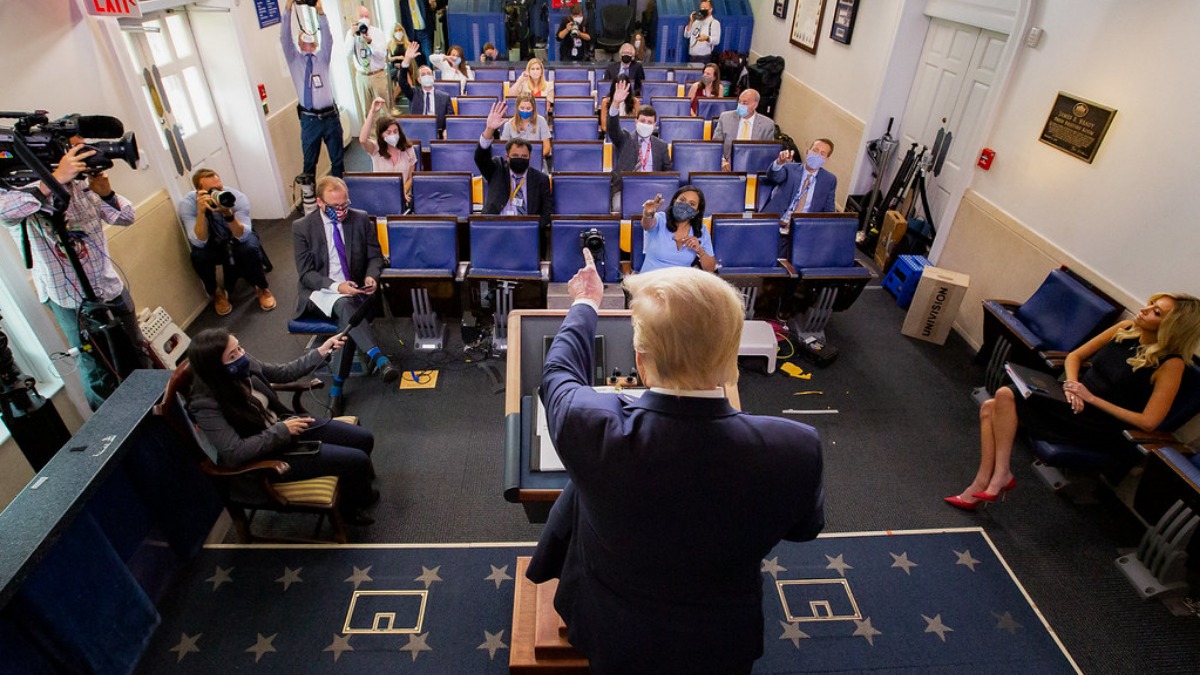
The Department of Justice just fired a warning shot at journalists across the country, and the president’s sticky-note tantrums are responsible. Acting Attorney General Todd Blanche made it crystal clear this week that reporters should brace for subpoenas if they’re covering stories that touch national security. His message was blunt: if you’ve got information about leakers who put soldiers’ lives at risk, don’t act shocked when the DOJ comes knocking.
According to ABC News, Blanche said on May 12, 2026, “Prosecuting leakers who share our nation’s secrets with reporters, in turn risking our national security and the lives of our soldiers, is a priority for this administration.” He added, “Any witness, whether a reporter or otherwise, who has information about these criminals should not be surprised if they receive a subpoena about the illegal leaking of classified material.”
It’s a stark shift from the Biden-era guidelines that treated subpoenas as a last resort, and it’s got First Amendment advocates sounding the alarm. The catalyst for this crackdown was a Wall Street Journal report from February 23 that laid out military officials’ warnings to the president about the risks of military action against Iran. The DOJ sent subpoenas to the outlet back in March, targeting the reporters behind the story.
But the real drama unfolded behind closed doors
According to CNN, the president personally handed Blanche a stack of printed articles with a sticky note scrawled in Sharpie: “Treason.” That little note was all it took to light a fire under the DOJ’s National Security Division, which was already eyeing the stories’ sources but suddenly found itself moving at warp speed.
This isn’t just about one article or one leak. The president has been fuming over classified information making its way to reporters since his first term, but the Iran war seems to have pushed him over the edge. Sources say he’s been especially furious when his private comments or briefing details hit the press, and the recent coverage of a rescue operation for an injured Air Force officer missing in Iran was the final straw.
Outlets reported on the manhunt while it was still underway, and the administration claims those reports put the service member’s life in danger. The president’s response? A public threat to send a reporter to jail unless the leaker was found. Blanche doubled down on that threat, telling reporters the DOJ “will always investigate” leaks involving classified information, especially when they put service members at risk.
“And we will investigate if it means sending a subpoena to the reporter,” he said. “That’s exactly what we should do, and that’s exactly what we will be doing.” It’s a chilling statement for anyone who’s ever relied on anonymous sources to break a story, and it’s a far cry from the cautious approach the DOJ took just a few years ago.
The shift in policy didn’t happen overnight
Last year, former Attorney General Pam Bondi rolled back the Biden administration’s strict guidelines, which had made it harder for prosecutors to target reporters with subpoenas. Bondi’s changes gave federal investigators more leeway to go after phone records, notes, or testimony.
This essentially reversed a ban that had been in place since revelations that former Attorney General William Barr had secretly sought reporters’ emails during the president’s first term. Bondi’s revisions were already controversial, but the president’s sticky-note directive seems to have kicked the DOJ’s efforts into overdrive.
The Wall Street Journal isn’t taking this lying down. A spokesperson for Dow Jones, the outlet’s parent company, called the subpoenas “an attack on constitutionally protected newsgathering” and vowed to “vigorously oppose this effort to stifle and intimidate essential reporting.” Other news outlets have reportedly received subpoenas in recent months, though some have chosen to stay quiet for now.
For journalists, this is a wake-up call
The DOJ’s message is clear: if you’re reporting on national security, you’re now in the crosshairs. The days of treating subpoenas as a last resort are over, and the administration is making it abundantly clear that it’s willing to go after reporters to plug leaks. Blanche’s comments this week weren’t just a warning. They were a declaration that the rules have changed.
The sticky note that started all this might seem like a petty move, but its impact is anything but. It’s a reminder that this administration sees leaks as a direct threat, and it’s not afraid to use every tool at its disposal to shut them down. For reporters, that means the risks of doing their jobs just got a whole lot higher.
The question now is how far the administration is willing to go. Will this be a targeted effort to stop specific leaks, or is it the start of a broader crackdown on press freedom? With Blanche’s comments this week, it’s hard to see this as anything but the beginning. The subpoenas are coming, and the only question is who’s next.
(Featured image: The White House)
Have a tip we should know? [email protected]
Follow The Mary Sue:
