


10 Movies that Aged Abominably Bad
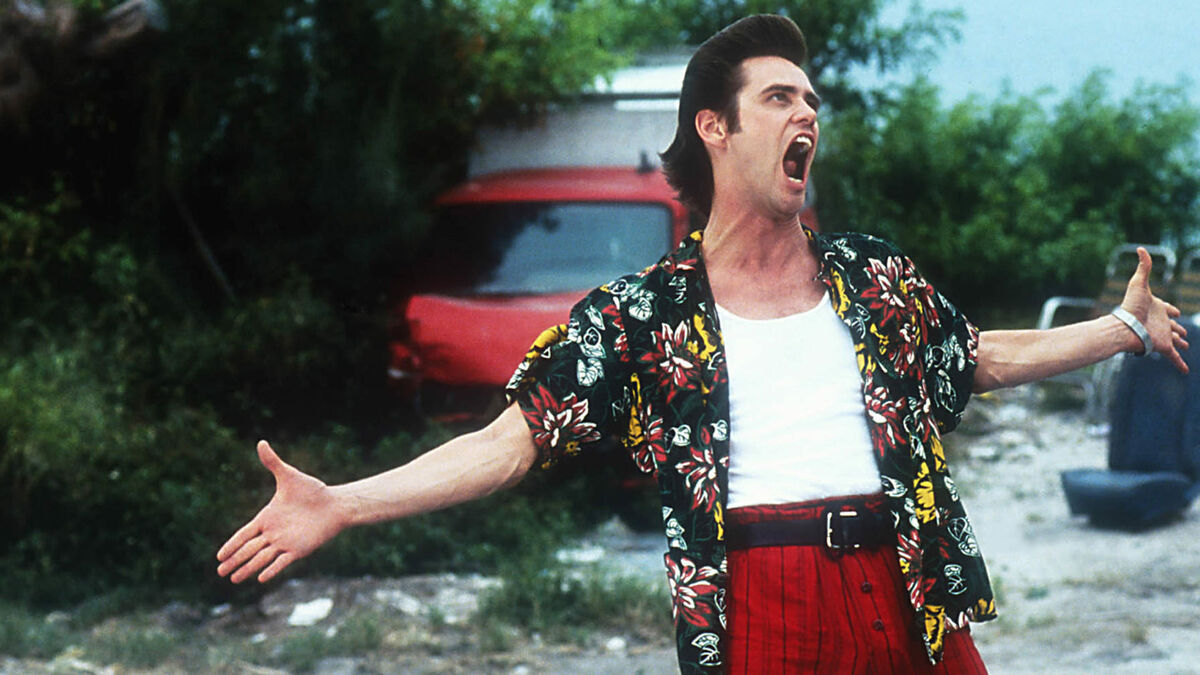
Some movies age like fine wine, or perhaps an old cheese that tastes better the smellier it gets. Other movies age like 2% milk, acceptable at one point, but absolutely rancid as time goes on. These 10 trash films belong to the latter category, cinematic dumpster fires whose hot garbage stank has only grown stronger with the passage of time. It’s a miracle that some of these films made it out of the writer’s room alive, but unfortunately, no one sensible was there to put them out of their misery. Crass, creepy, and culturally irrelevant, these are 10 films that aged abominably bad.
Ace Ventura: Pet Detective
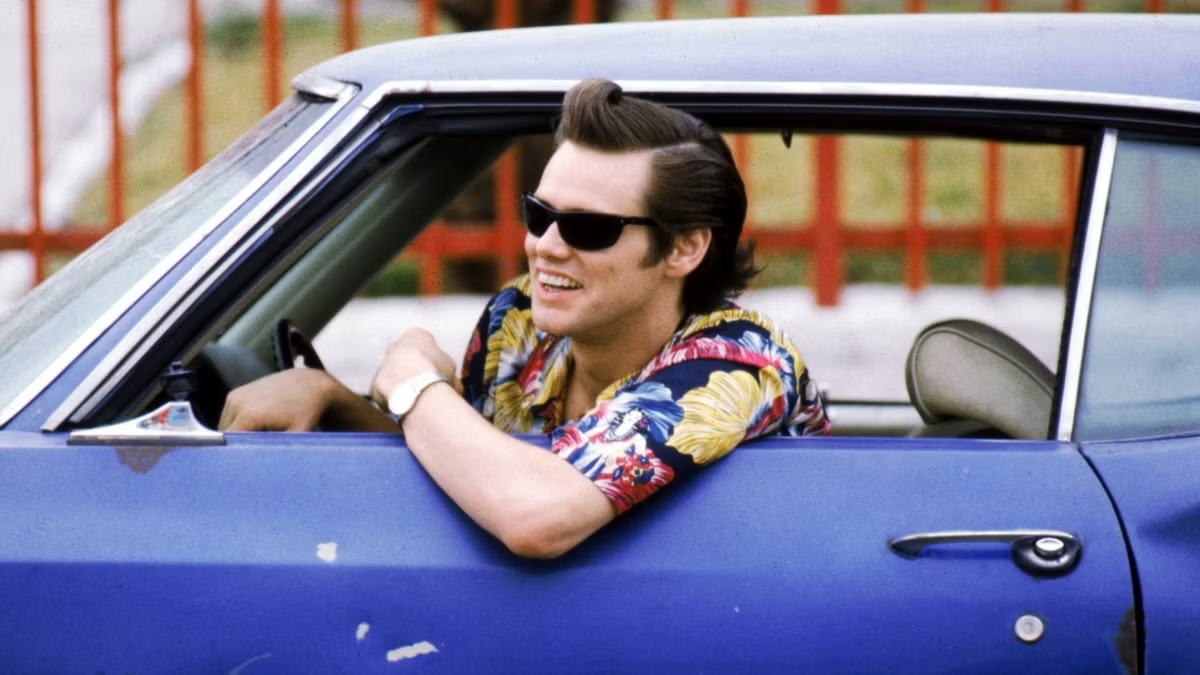
Who could have guessed that a Jim Carrey comedy about an animal detective would be one of the most virulently transphobic films in recent memory? Ace Venture: Pet Detective starts relatively fine, featuring Carrey’s trademark antics combined with some off-color sex jokes, but the film soon ratchets up its offensiveness in its treatment of the villain. When Ace Ventura‘s femme fatatle Lois Einhorn is revealed to have once been known as football player Ray Finkle, all transphobic hell breaks loose. Einhorn’s reveal as a trans woman is treated as something grotesque and shocking, which causes a room full of men to cry, scream, and vomit in a horrifying parody of the equally transphobic reveal in 1992 crime thriller The Crying Game. While some still regard this film as a harmless comedy, anyone watching with a critical eye will understand the irreparable damage that this film did to a generation of queer and trans people.
Breakfast at Tiffany’s
(Paramount Pictures)
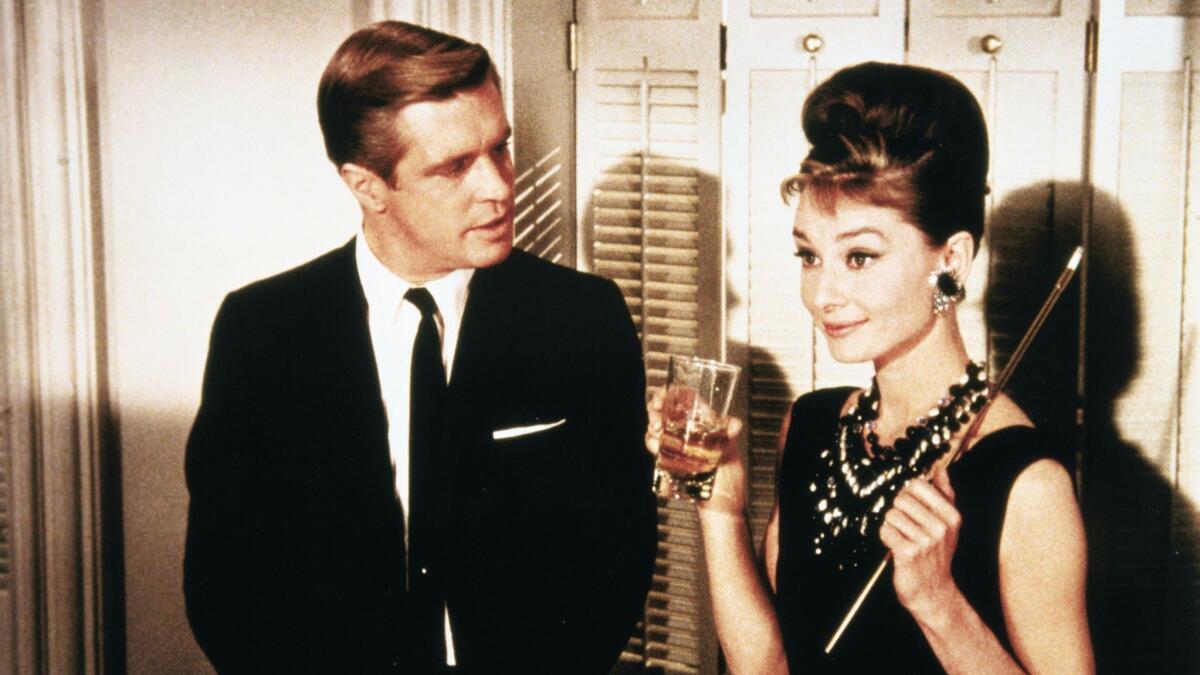
Even without the horrifyingly racist caricature of a Japanese person, Breakfast at Tiffany‘s would still not have aged well. Mickey Rooney, a white actor, dons yellowface and fake teeth to play the main heroine Holly Golightly’s Japanese neighbor. At the time of the film’s release, Rooney’s sordid performance caused some critics to balk, but it wasn’t until a few decades had passed that audiences came to be appalled by the film’s rampant bigotry. It’s one of the clearest examples of anti-Asian prejudice in film, a mortifying relic of an era where racial stereotypes could be casually played for laughs. And while Rooney’s character is by far the film’s worst offense, the glamorization of Holly’s emotional instability and suffering certainly doesn’t help the film’s legacy.
Animal House
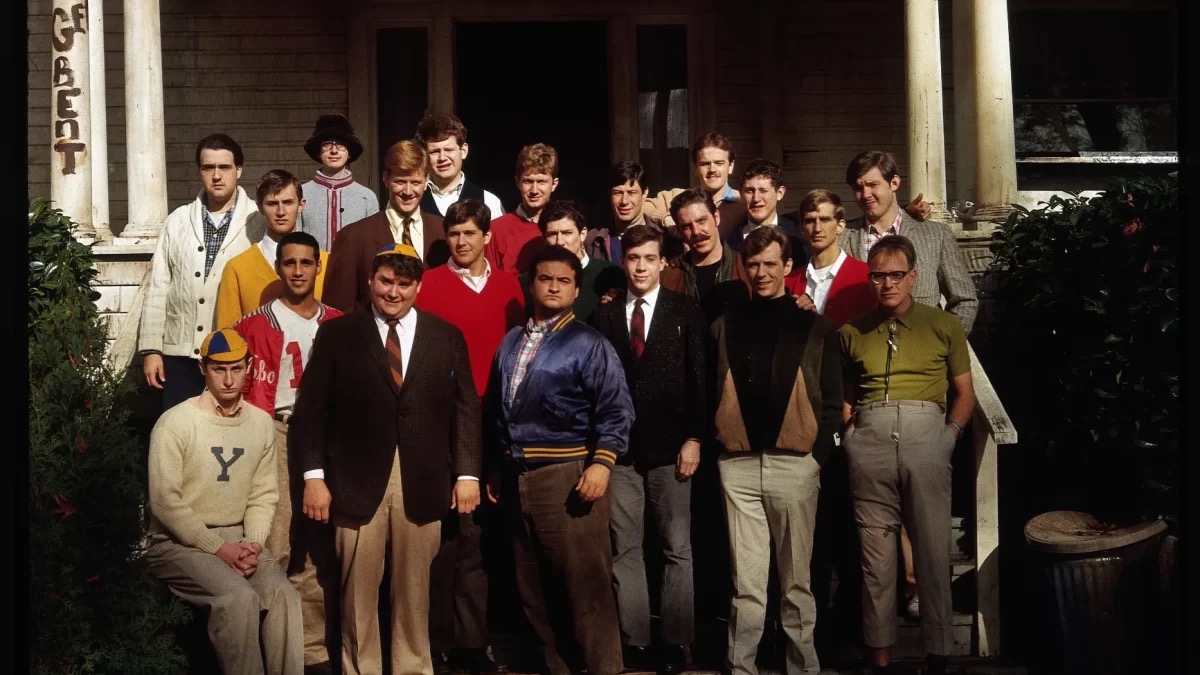
A late-70s comedy about frat boy antics? What could possibly go wrong? Basically everything. The “sexual escapades” of college kids in this John Landis comedy are actually full-blown sex crimes. While the scenes of Bluto peering in the window to catch a glimpse at his female classmates are painfully creepy, the film’s most horrifying moment is Pinto’s internal debate on whether or not to rape a passed-out woman at a toga party. The film is deeply misogynistic and shows no awareness of the concept of consent whatsoever. It’s the absolute worst example of the “boys will be boys” adage, where assault and stalking are played off as instances of harmless young adult fun. Animal House sanitizes criminal activity, and not only refuses to hold its perpetrators accountable, but horrifyingly frames them as heroes.
The Blind Side
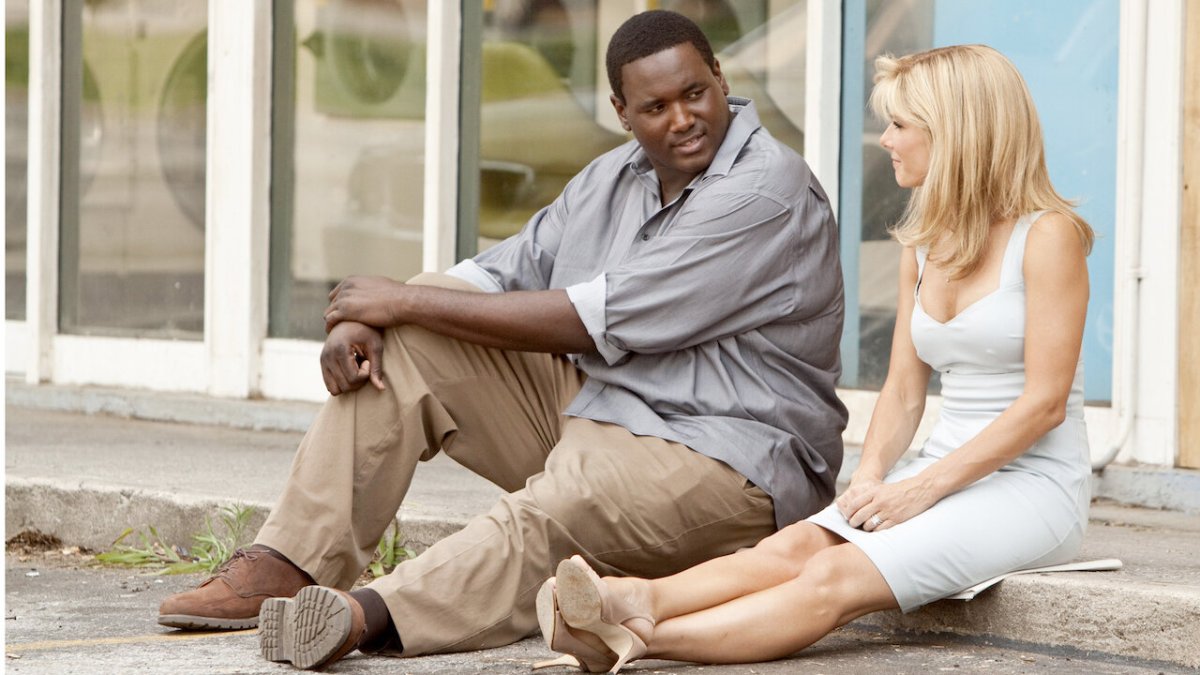
The Blind Side was hailed as a stirring sports drama upon its release, but in hindsight, the film’s problematic treatment of race and class becomes apparent. The story of a homeless Black teenager who is taken in by an affluent white woman, the film hinges on the “white savior” trope. It’s framed as a “true story” about real-life offensive lineman Michael Oher, but it dramatically downplays Oher’s intelligence and hard work, framing him as an illiterate teen whose only achievement was scoring in the 98th percentile for “protective instincts,” whatever that means. Rather than portray Oher as the person he is, The Blind Side presents him as a helpless kid who would be lost without the guidance of his adoptive family, the Tuohys . To add insult to injury, the film garnered even more controversy after Oher alleged that the Tuohys tricked him into signing a conservatorship agreement that prevented him from receiving royalties from the film, while they walked away with millions made from a phony reimagining of his real-life story.
Manhattan
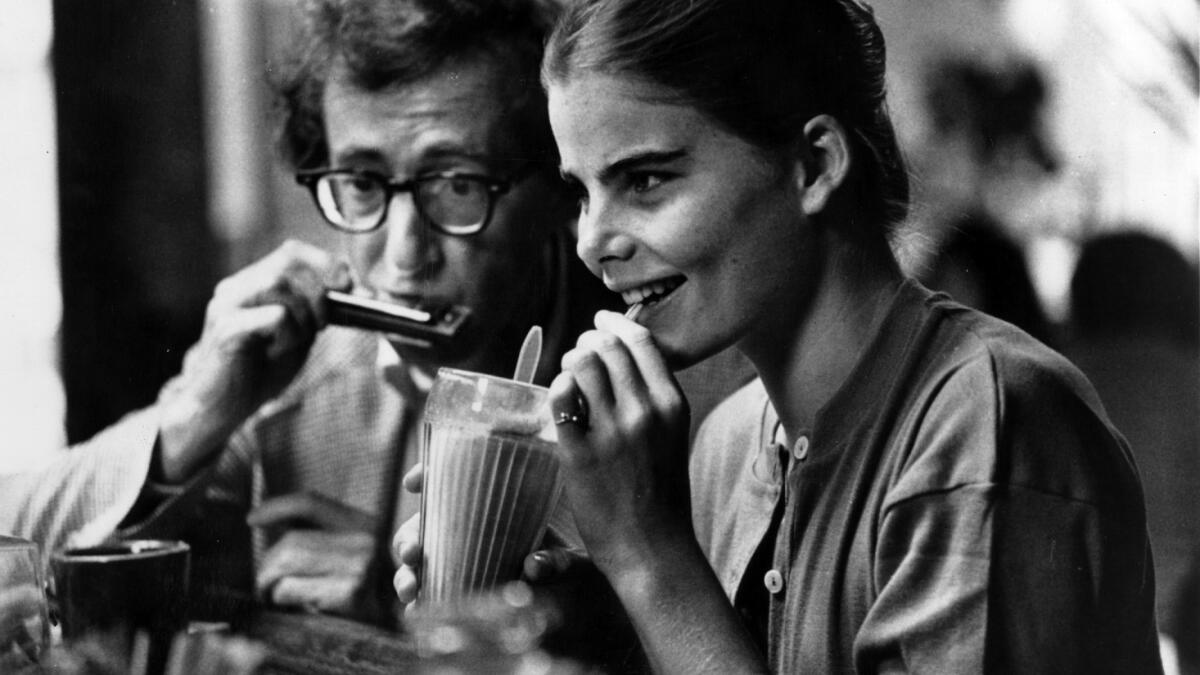
It’s hard not to look back at the legacy of Woody Allen without uttering an unconscious “yeuch.” Even without the sex crime controversy surrounding the director, one can’t think about Manhattan, a film about a twice-divorced 42-year-old dating a high school girl, without the feeling of nausea. This film is a romantic comedy in the same way that an Oreo cookie is a fruit, which is to say, not at all. The film builds on its already icky premise by making Allen’s character a pseudo-intellectual jerkwad who, in an even more baffling turn of events, ends up dating his best friend’s mistress. While Sean Baker’s film Red Rocket also features a middle-aged protagonist dating a high-schooler, the Anora director’s film exposes the horror of the very sort of age-gap relationship that Manhattan romanticizes. With all the self-awareness of a store-bought yam, Woody Allen’s film attempts to find the charm in a charmless love affair, inadvertently making himself the film’s central villain in the process.
Peter Pan
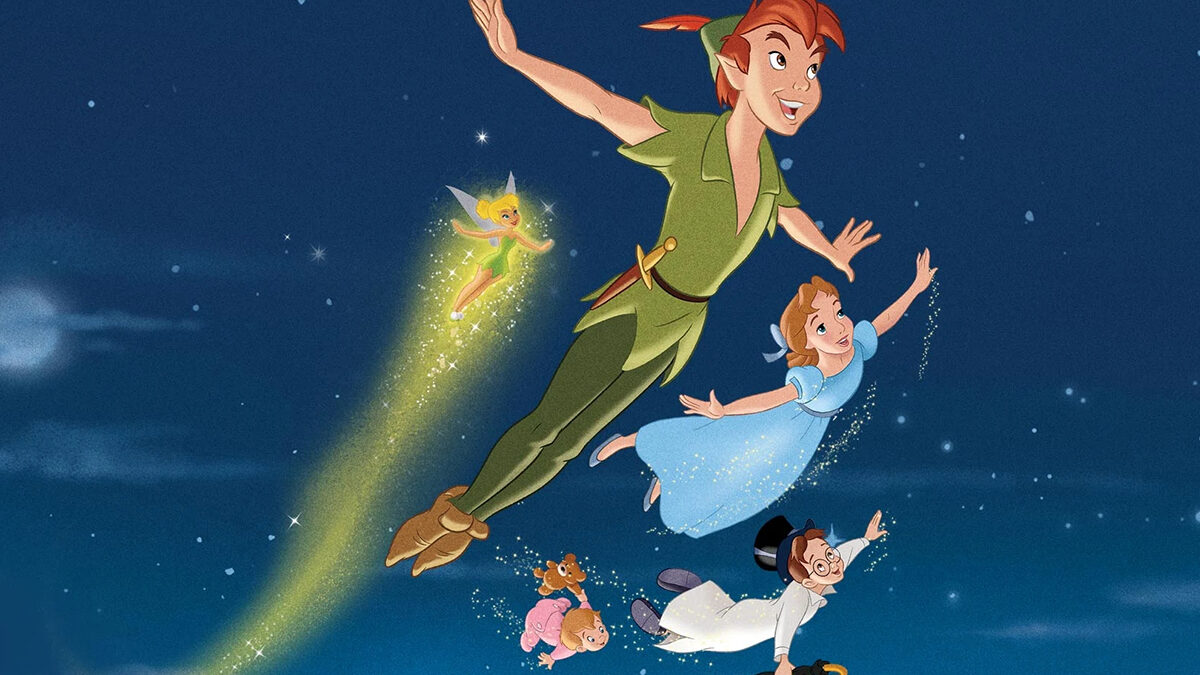
While vintage Disney films aren’t exactly known for their cultural sensitivity, Peter Pan escalates the ignorance to include full-blown racial stereotypes. While the idea of an ageless teen convincing a young woman to serve as an unwitting mother to a group of unwashed middle-schoolers is icky enough, the film compounds upon the semi-kidnapping with a horrifying depiction of Native American stereotypes. In one of Disney’s most poorly aged musical interludes, Pan and Wendy bear witness to a mortifying parody of Native American culture and customs. It’s one of the most infamously racist sequences in animation history, built around perhaps the single most offensive song in the Disney canon (though there are certainly more contenders that appear in other Disney films that could also have made the list).
Fifty Shades of Grey
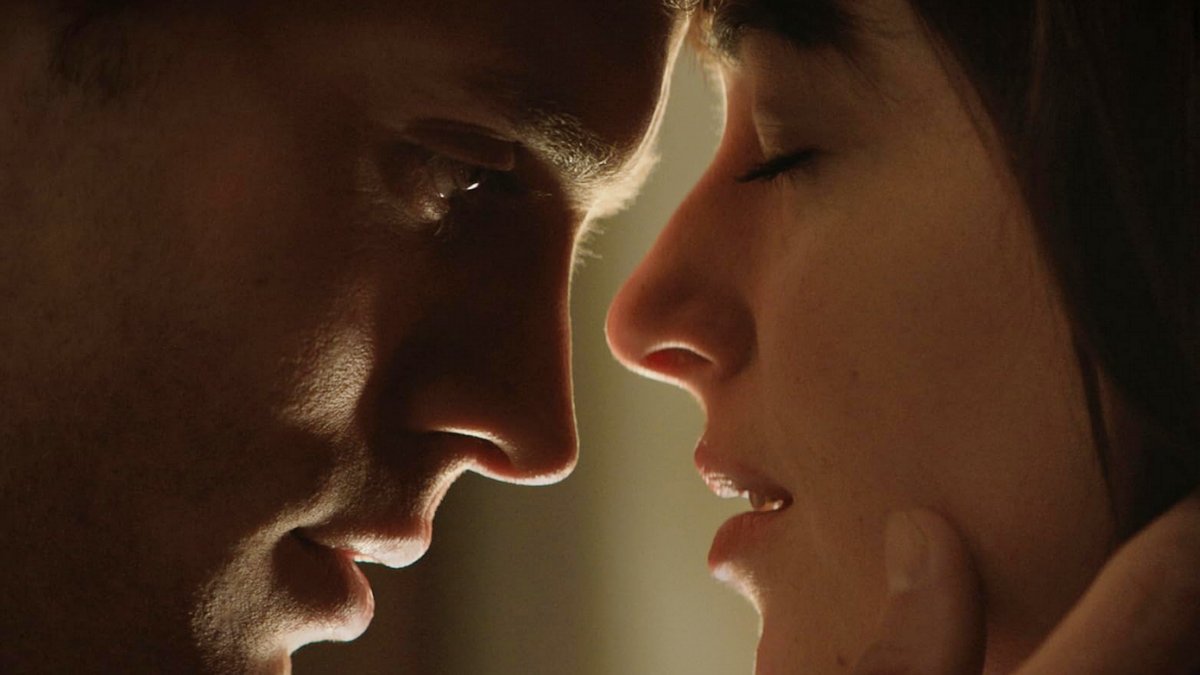
Originally written as a Twilight fanfic, Fifty Shades of Grey understands BDSM about as well as a chihuahua does calculus. After being cornered into a sadomasochistic romance with a billionaire, a young English literature major’s horizons are expanded to include deeply unsafe kink dynamics. While there’s never been a mainstream film that successfully depicts healthy kink (Secretary, though highly flawed, comes a bit closer), Fifty Shades is perhaps one of the most damaging depictions of BDSM in cinema. Christian Grey and Anastasia Steele’s relationship hinges on coercion. The core tenets of BDSM demand that its practice must be safe, sane, and consensual. Fifty Shades is none of these things. Manipulation, stalking, and abuse aside, it’s also just not a well-written story. The 21-year-old Anna has never had an orgasm or an email address before meeting Christian? Really? What world do we live in?
Sixteen Candles
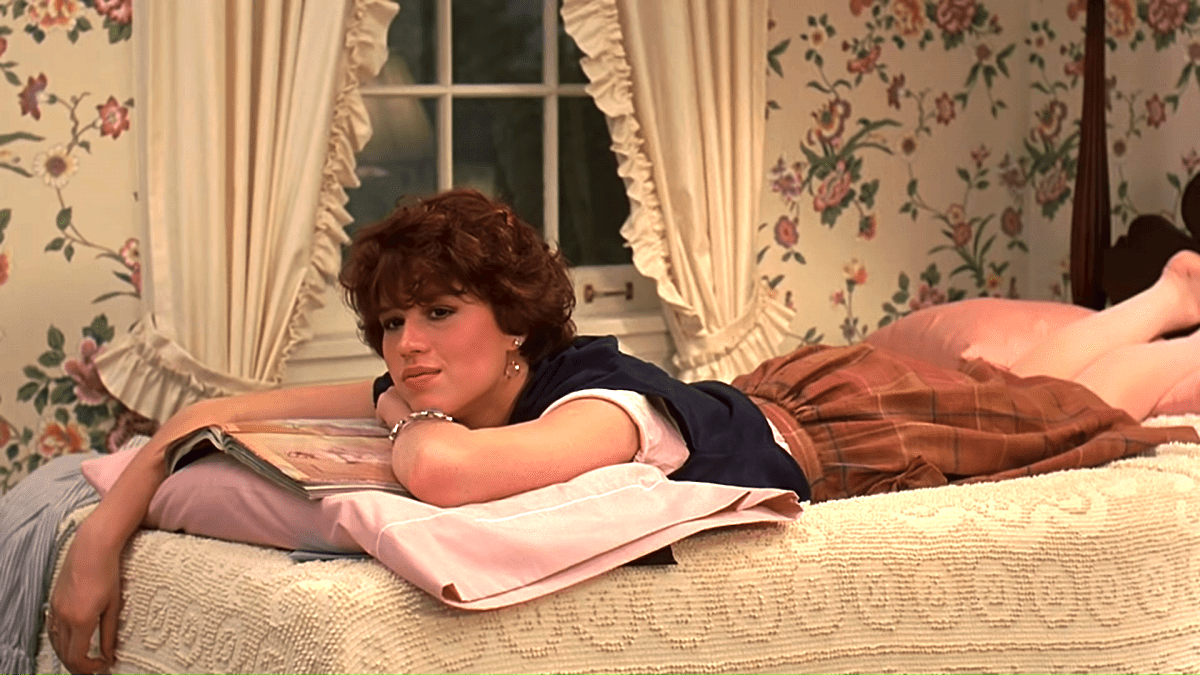
Like Breakfast at Tiffany‘s, the legacy of this John Hughes rom-com is complicated by its inclusion of harmful Asian stereotypes. The character Long Duk Dong is deeply problematic, portrayed as a sexual aberrant whose onscreen appearances are accompanied by the sound of a gong. The character did widespread cultural damage, leading to real-life bullying of Asian Americans. As if the racial caricatures weren’t bad enough, the film compounds upon its troubling legacy with the inclusion of an infamous date rape scene, where the film’s male lead Jake “trades” his blackout drunk girlfriend, Caroline, to the geeky Ted, who assaults her while she’s incapacitated. Vile.
Wedding Crashers
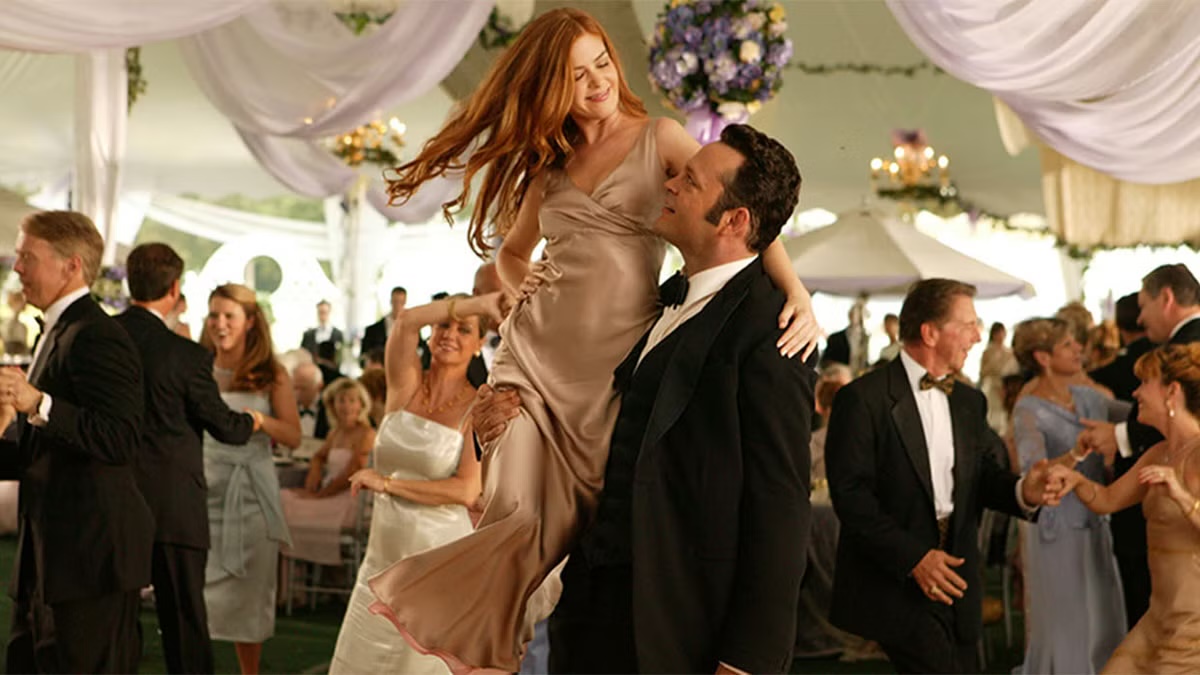
While Wedding Crasher‘s premise of hooking up with emotionally vulnerable women at weddings and funerals is gross enough, the film features one of the most horrifying “played for laughs” rape scenes in movie history. Vince Vaughn’s character, Jeremy, awakens to find himself tied to a bed and straddled by a naked Gloria. Jeremy begs her to stop and to let him go, and Gloria responds by gagging him and assaulting him. The film diminishes the reality of sexual assault against men perpetrated by women, adding insult to injury by having Jeremy and Gloria end up together at the end of the film.
Birth of a Nation
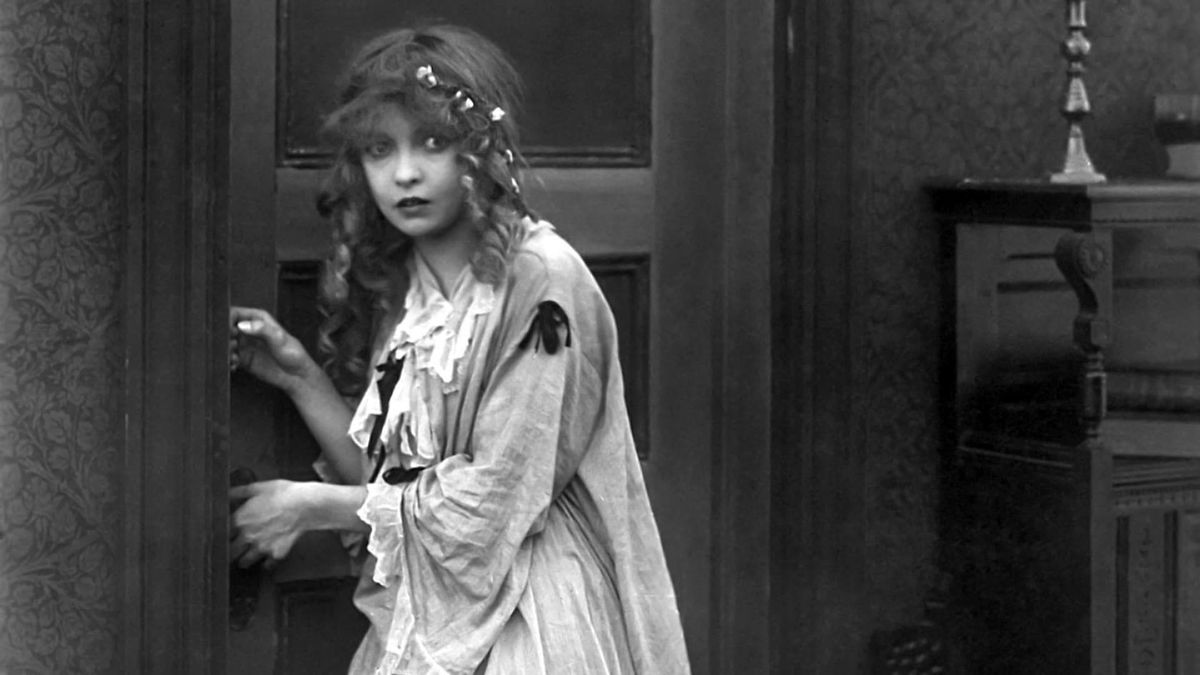
Some films go the way of spoiled milk, but Birth of a Nation aged like a bag of dog sh*t left on a hot sidewalk all summer. While a film that lionizes the Ku Klux Klan, puts white actors in blackface, and promotes horrifying stereotypes about race and gender would be rightfully maligned by modern audiences, Birth of a Nation was hailed as a groundbreaking achievement in American cinema upon its release in 1915. Then-president Woodrow Wilson, a friend of the director D.W. Griffith, said the film was “like writing history with lightning.” The widespread acclaim of Birth of a Nation directly contributed to the resurgence of the Ku Klux Klan, which in turn led to increased racial violence in the United States. While it was once considered a cinematic triumph by many, the film’s legacy is clear: Birth of a Nation is the most vile, disgraceful, and dangerous film in American history.
(featured image: Warner Bros.)
Have a tip we should know? [email protected]
Follow The Mary Sue:
