


RFK Jr. just launched a crusade to pull antidepressants from millions, ignoring the doctors screaming about a gaping hole in his plan
Systemic issues ignored.
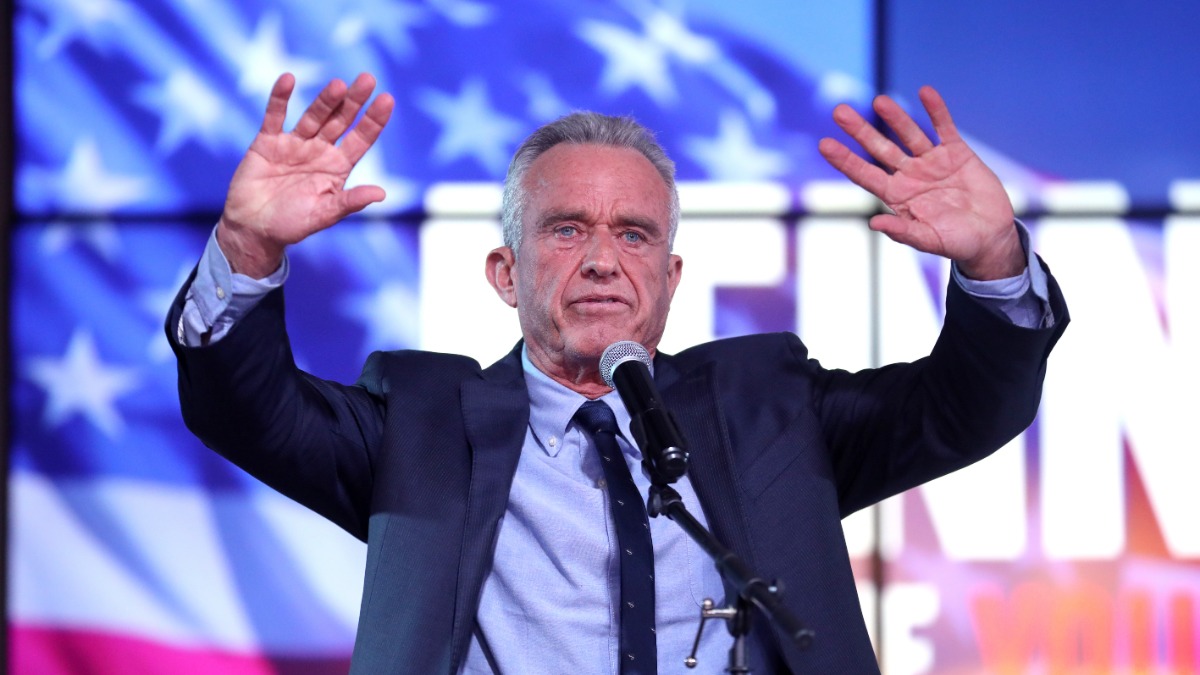
Robert F. Kennedy Jr. just launched a federal push to slash antidepressant prescriptions across the U.S., framing the move as a fix for overmedication. However, psychiatrists warn the plan ignores the real crisis: millions of people who can’t even get basic mental health care in the first place. The Department of Health and Human Services rolled out its new MAHA Action Plan this week, a multi-pronged effort to curb what it calls “psychiatric overprescribing.”
According to The Guardian, the plan, announced at a summit hosted by the Make America Healthy Again Institute, positions antidepressants, particularly selective serotonin reuptake inhibitors (SSRIs), as a default treatment that needs to be reined in. The HHS Secretary said the goal is to shift the standard of care toward “prevention, transparency, and a more holistic approach.”
If you’re currently taking antidepressants, Kennedy said, “we are not telling you to stop.” Instead, the department wants to ensure patients and clinicians have the “information and support to make the right decision.”
That sounds reasonable on paper, but the execution is already raising alarms
The plan includes a “Dear Colleague” letter to providers, urging them to prioritize non-medication options like psychotherapy, diet, physical activity, and social connection. It also clarifies that doctors can bill Medicare for the medical care involved in deprescribing, a move meant to incentivize tapering off medications when appropriate.
Here’s the problem: nearly 17% of U.S. adults are currently on antidepressants, according to a 2025 survey. The survey found a “significant proportion” of people in every state oppose efforts to restrict access to these medications.
The American Psychiatric Association, which represents over 40,000 physicians, isn’t buying the overprescribing narrative. In a statement, the group said it “welcomes the attention placed squarely on the nation’s mental health crisis” but pushed back hard on the idea that the problem is too many prescriptions. The real issue, though, is that too many patients can’t access timely, comprehensive care.
Workforce shortages, limited psychiatric beds, and systemic barriers mean millions of people who need help can’t get it. “Deprescribing alone is not a sufficient response,” it said. “The solution is not to stigmatize psychiatric medication or impose broad assumptions on clinical care, but to ensure that patients have access to the full range of evidence-based treatments.”
Kennedy’s plan doesn’t just target adults
The HHS press release explicitly mentions concerns about antidepressant use “especially among children,” a demographic where prescribing rates have climbed steadily over the past decade. The department’s letter to providers encourages regular reviews of medication risks and benefits, with an emphasis on deprescribing when clinically indicated. It also highlights billing codes for non-medication treatments, a nod to the financial incentives built into the plan.
But here’s the gaping hole: if you’re one of the millions of Americans who can’t even see a therapist, let alone access specialized care, what’s your alternative? The plan talks a big game about “holistic” solutions – psychotherapy, nutrition, physical activity – but none of that matters if those options aren’t available or affordable.
The Association’s statement drives this point home: “The framing doesn’t account for the fact that care remains unevenly distributed across our health system.” The HHS plan does include some steps to address access. The Centers for Medicare & Medicaid Services will work to expand coverage for evidence-based non-medication care, like psychotherapy and family support services for kids.
Grants are in the works to train frontline prescribers and increase access to specialist consultations. But these efforts feel like a drop in the bucket. The National Institutes of Health and FDA are also expediting research into new mental health treatments, but breakthroughs won’t happen overnight.
Kennedy’s personal stance on antidepressants has been controversial for years
He’s claimed without evidence that the drugs are linked to school shootings and has raised concerns about withdrawal symptoms. At the summit, he acknowledged the role of psychiatric medications but made it clear they shouldn’t be the default. He said, “We will treat them as one option, to be used when appropriate, with full transparency and with a clear path off when they are no longer needed.”
But deprescribing isn’t as simple as flipping a switch. Tapering off antidepressants requires careful monitoring, and withdrawal symptoms can be severe.
The HHS plan includes resources for managing this process, like professional society guidelines and FDA taper schedules, but it’s not clear how well-equipped average primary care doctors are to handle it. Most mental health care in the U.S. is delivered by general practitioners, not psychiatrists, and they’re already stretched thin.
The plan also includes upcoming activities to educate providers and the public. The Substance Abuse and Mental Health Services Administration will release a report on prescribing trends this month, along with a fact sheet for prescribers and patients.
Over the summer, SAMHSA and the Health Resources and Services Administration will host webinars for health professionals, including a joint session for Federally Qualified Health Center providers focused on holistic care and deprescribing. In July, HHS will convene a Technical Expert Panel to gather input from professionals, patients, and families to shape clinical guidance.
The federal government is reassessing antidepressant prescribing while pushing for non-medication treatments. Will this actually improve mental health care or just make it harder for people who rely on these medications to get help? The American Psychiatric Association’s warning is worth repeating: “The solution is not to stigmatize psychiatric medication or impose broad assumptions on clinical care.”
(Featured image: Gage Skidmore)
Have a tip we should know? [email protected]
Follow The Mary Sue:
