


Zohran Mamdani disbands NYPD unit accused of brutalizing George Floyd protesters. Then he promises a new ‘civilian-led’ approach
This is the Mamdani Treatment.
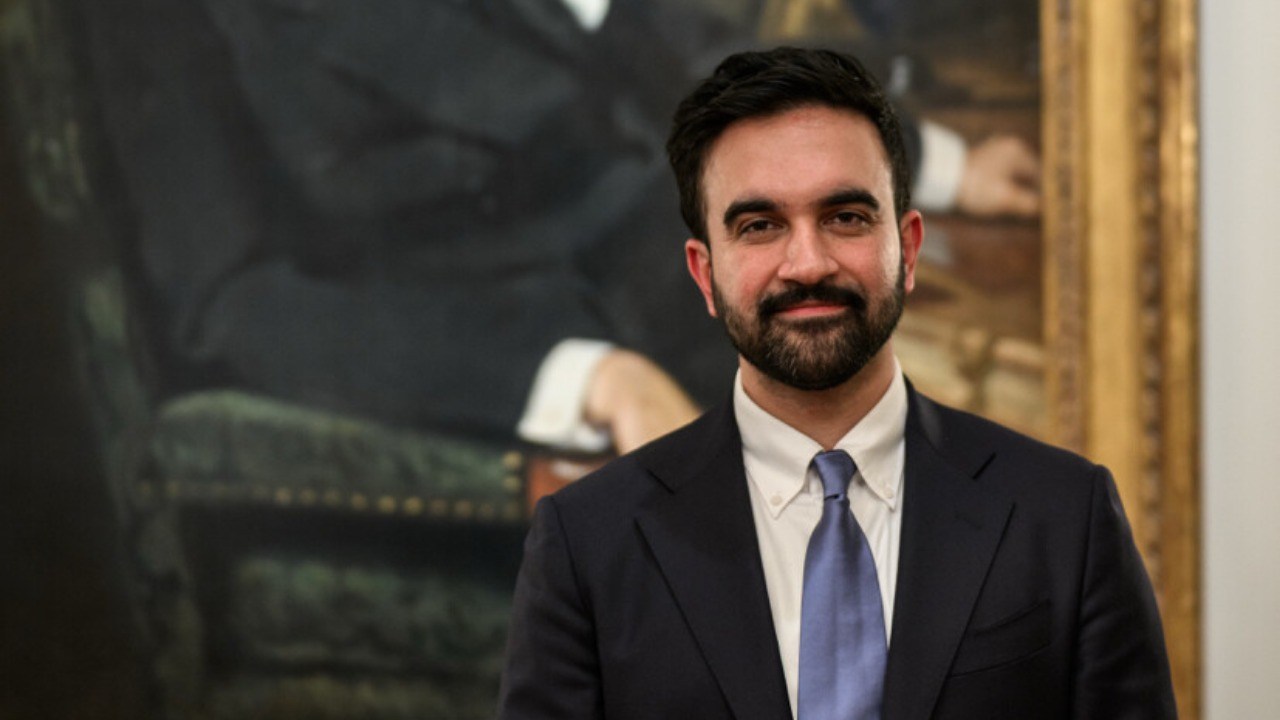
New York City Mayor Zohran Mamdani is following through on one of his biggest campaign promises, disbanding a controversial New York City Police Department (NYPD) unit that faced allegations of excessive force during the 2020 George Floyd protests. The decision marks a major change in how the city plans to police mass demonstrations, replacing the unit’s protest-response responsibilities with a ‘civilian-led approach focused on dialogue and de-escalation.’
Mamdani and Police Commissioner Jessica Tisch announced on Monday that the department’s Strategic Response Group (SRG) would be dismantled. Established in 2015 to handle counterterrorism threats and large-scale emergencies, the unit became a prominent presence at demonstrations, drawing criticism over its crowd-control tactics and treatment of protesters.
According to Fox News, the announcement also outlines a new division within the Mayor’s Office of Community Safety, alongside specialized NYPD teams that will continue handling protest security.
How will NYPD officers handle protests now?
Under the new arrangement, the city will establish a Community Dialogue and De-escalation Division (CDDD) within the Mayor’s Office of Community Safety. Unlike the former SRG, the civilian-led division will have neither weapons nor arrest powers.
The new division will coordinate with a specialized NYPD team called the First Amendment Support Team (FAST), consisting of 30 uniformed officers trained in communication and de-escalation. The team will operate within the department’s Community Affairs Bureau and help prepare for and respond to demonstrations.
The NYPD will also establish a Patrol Support Division (PSD), staffed by vetted officers with specialized crowd-management training. Although these officers can make arrests during protests when necessary, they will spend most of their time performing regular patrol duties, supporting major public events, and assisting with other police operations.
Meanwhile, the SRG’s counterterrorism responsibilities, including heavy-weapons deployments at critical infrastructure, will move to the NYPD’s Intelligence and Counterterrorism Bureau.
The overhaul also introduces restrictions on police tactics during First Amendment activities. Officers will be prohibited from using kettling, tear gas, and long guns during demonstrations. Pepper spray will no longer be permitted as a general crowd-management tool, while long-range acoustic devices will be restricted to 90 decibels.
The city says the changes will not require additional spending or increase or decrease the NYPD’s overall headcount.
They say protesting is different from terrorism
Mamdani framed the announcement as a matter of protecting New Yorkers’ constitutional rights while maintaining public safety. He has previously done an overhaul in NYPD, following a policeman’s fatal shooting of a teen in 2024 who retired before facing a misconduct trial.
“New Yorkers exercising their constitutional right to protest should not be met with the same police response as a terrorism threat,” he said in a statement. Tisch also backed the restructuring, arguing that separating counterterrorism operations from protest response would allow the department to maintain its security capabilities while changing how it handles demonstrations.
The SRG’s disbandment does not mean its approximately 500 officers will leave the NYPD. They will instead be reassigned to other units, with some moving into counterterrorism operations.
The proposal has also drawn criticism from police union representatives, who have questioned the need to dismantle a unit they consider effective. Meanwhile, civil liberties advocates have welcomed the decision while emphasizing the importance of monitoring the new structure.
Have a tip we should know? [email protected]
Follow The Mary Sue:
