


Woman told to pay $17 for 2 items at Target. Five minutes later, the same items cost $3.39: ‘Companies are just making up prices’
It was her lucky day
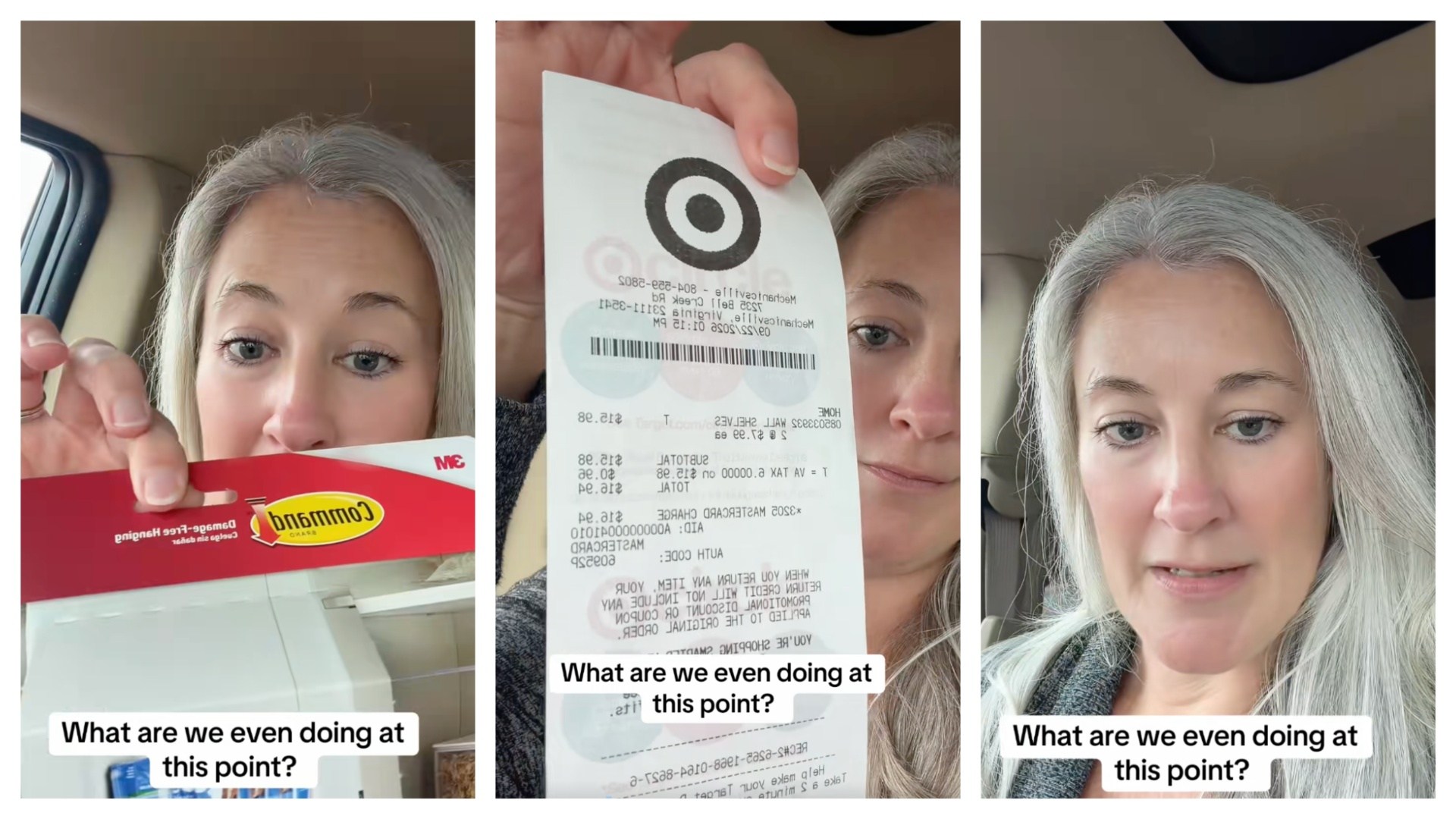
Julia Gulia’s (@julesjulesbobules) story is not your typical Target or Walmart story. Her story raises pertinent questions about how prices at these stores (in her case, Target) can vary depending on whether you buy an item in-store or through the app. It also shows how someone can sometimes get extremely lucky.
“Companies are just making up prices at this point,” Julia said at the beginning of her video. Why did she say that? She ended up paying $3.39 for two items she had initially been told would cost $17. But how did that happen?
Julia showed the item she purchased, which appeared to be a food product, and said it was listed for $6.39 on the Target app. However, at checkout, she was apparently charged $7.99 per item. She said she asked the employee at the counter whether she would need to return the items and purchase them through the app to receive the online prices. The employee allegedly told her Target often priced “things lower on their app to try to get people to use it instead of coming into the store.”
The employee agreed to match the app’s price, but his computer system supposedly encountered a glitch. It turned out that the issue was caused by the store having only three of the product left, which led the system to place it in the clearance section. The items were then priced at $1.60 each. Expressing her surprise, Julia said, “And I wound up getting those two little things for three dollars and thirty-nine cents. Something that I had just paid almost $17 for not five minutes earlier. It’s all made up.”
“So they can eventually close stores”
Julia’s video gained significant traction, receiving more than 52K views, along with many saves, comments, and shares. In the comments, people shared their thoughts about Target. Focusing on the idea that retail chains want more people to shop online rather than visit stores in person, a few commenters suggested that this was a cost-cutting measure.
One person said, “So they can eventually close stores and have a warehouse that less people can work at and delivery it to you and save money on brick-and-mortar building.” Another person wrote, “higher in store prices help pay rent, employee wages (overhead expenses) good stores will match no problemo.”
A few others discussed dynamic pricing, which is currently the subject of videos all over the internet. One user commented, “I’ve heard Walmart is phasing in “dynamic pricing” meaning they set the price based on what the data they have collected on you indicates you will be willing to pay.” Another said, “It’s so they can collect data now to “improve” their dynamic pricing and jack your prices later.”
What is dynamic pricing?
According to Salesforce, “Dynamic pricing is a strategy that adjusts prices in real time based on demand, inventory, competitor actions, and other market signals.” It adds, “Instead of using fixed price lists, teams rely on connected data and automation to recommend or update prices as conditions shift.
Over the past few months, the “connected data” aspect of the definition has come under fire. Some people have made allegations about data tracking, including a Target worker who claimed that shopping baskets equipped with trackers were being used to monitor shoppers. “Hello, I just want to make a PSA,” the worker says before turning the camera toward a Target basket and pointing to a tiny device attached to its surface. He warned, “You are now being tracked at Target. These baskets, this thing, that’s a tracker.”
In light of this, Julia’s experience raises similar questions about how retailers might use customer data to sometimes set or display prices.
Have a tip we should know? [email protected]
Follow The Mary Sue:
