


Woman pays $2,000 a month for insurance, then receives a $2,300 bill for a colonoscopy she says was supposed to be covered: ‘Send it to collections’
Sometimes, the more people involved in explaining a bill, the harder it is to get a straight answer.
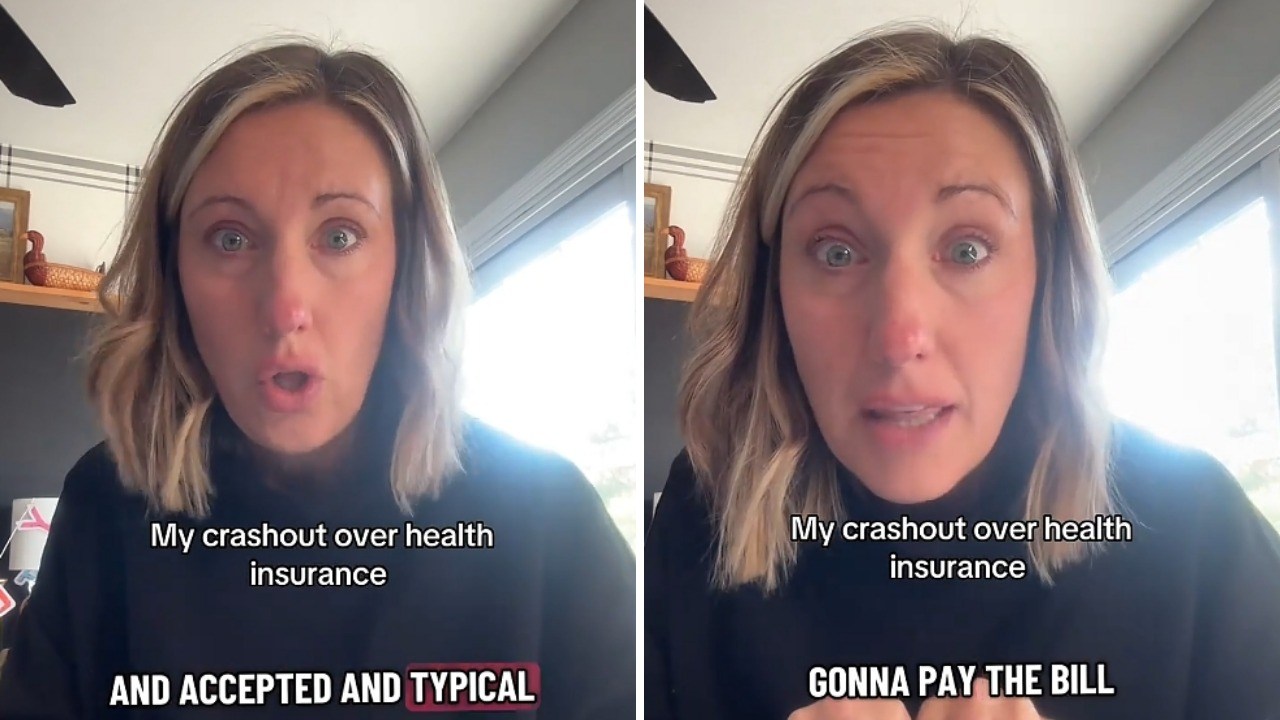
A woman says a colonoscopy she expected to cost nothing left her with a $2,300 bill. The TikTok creator, who posts as @jennaleighstl, says she has documentation from both the hospital and her insurer showing she would owe $0. She has appealed the charge but says daily payment calls continue.
In her video, Jenna explains that she underwent the procedure in July because of her family history. She is younger than 45 and describes it as a preventive screening.
According to Jenna, callers have told her to arrange a payment plan or the bill will go to collections. She says she will not pay while disputing the charge. “I’m not giving you a dime,” she recalls telling them.
Her family history is why she got screened early
Jenna compares the bill to being told groceries are free, taking them home and eating them, then being asked for payment. She also questions what she is getting for the $2,000 a month she says she pays in insurance premiums.
The U.S. Preventive Services Task Force recommends screening from 45 for adults at average risk. The American Gastroenterological Association advises an earlier start for some people with a family history. Under federal rules, most plans have to cover screenings the task force recommends without cost sharing, though Jenna’s video doesn’t say what her plan covers for patients younger than 45.
Even patients entitled to preventive care without out-of-pocket charges can run into billing problems. Federal agencies have received reports of patients being charged because of providers’ billing codes or insurers’ claim processing. Their guidance calls for those problems to be addressed so patients receive the coverage they are entitled to. Jenna does not say whether a coding issue was involved, and her video does not explain why she was assigned a balance.
She’s waiting for an answer, but they’re still asking for payment
Jenna says she keeps explaining that the charge is under appeal. That has not stopped the requests for payment. “Send it to collections then,” she recalls responding. She does not say the bill has actually entered collections.
Challenging the insurance decision also means dealing with a separate billing office. The insurer decides how the claim is covered; the provider sends the bill. CMS recommends comparing that bill with the insurer’s explanation of benefits to check that the services and amount owed match. For a patient trying to understand an unexpected charge, that can mean taking questions back to both.
Those disputes are not always resolved with a phone call. In a 2023 KFF survey, 58% of insured adults said they had a problem using their insurance in the past year, such as denied claims or pre-authorization issues, and only half of them said it was resolved to their satisfaction.
By November, she was still being asked to pay a bill she believed she should never have received.
Have a tip we should know? [email protected]
Follow The Mary Sue:
