


Woman orders a Hawaiian wrap, makes a fuss about paying for extra salad, then demands a discount for an impossible thing: ‘I combusted’
These workers are way too patient.
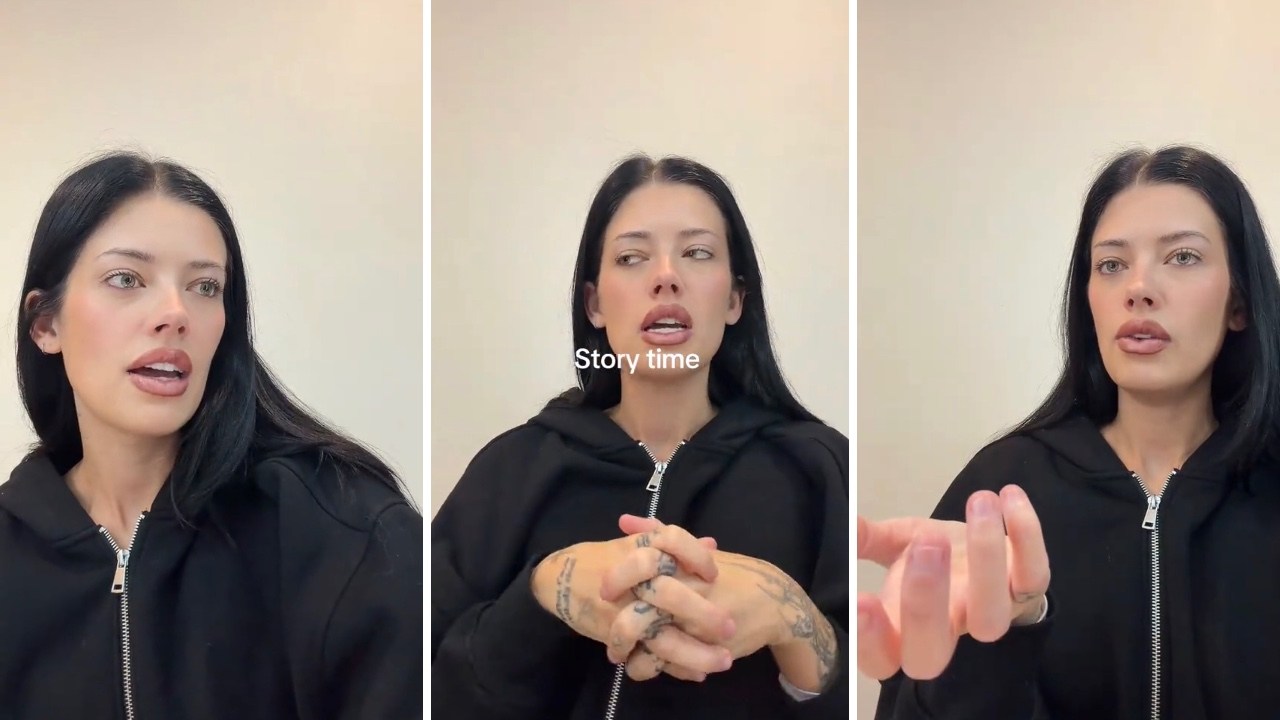
Fast-food custom orders are notorious for testing the limits of front-counter patience. But somewhere at a Schnitz restaurant, one diner allegedly pushed the limit even further. She first began a dispute over extra salad charges, then argued over food that was never hers to begin with.
Melbourne content creator India (@kingkydrawers) reenacted the encounter in a viral TikTok video with thousands of views. Standing in line at the Schnitz location, she reportedly witnessed a customer launch into an argument over the restaurant’s Hawaiian wrap after learning the base item only came with pineapple.
The customer eventually begrudgingly agreed to pay the standard add-on fee for additional vegetables. But then, her fixation shifted to the wrap currently being assembled on the line. Somehow, she couldn’t accept that the kitchen was working on a different order and began micromanaging the preparation.
The customer allegedly objected to upcharges for extra salad
The interaction kicked off at the counter when the customer allegedlt requested the chain’s signature Hawaiian wrap. After declining chips and a drink, she asked whether the wrap came packed with fresh vegetables inside the tortilla. To her inquiry, the staff clarified that the tropical recipe only features pineapple.
The staff also explained that other menu options come loaded with mixed greens. But adding extra vegetables to the Hawaiian build costs an additional dollar per ingredient. “Oh, well that’s a bit ridiculous, isn’t it, to be an extra dollar?” the customer pushed back.
Even after the cashier pointed out that multiple alternative wraps on the menu already include vegetables at no added expense, the woman refused to change her order, huffing, “No, I want the Hawaiian wrap, but with salad in it.”
Thankfully, she eventually agreed to pay the two-dollar upcharge for cucumber and lettuce. However, the transaction was still far from settled. Because India had ordered her dinner first, the kitchen staff reportedly began assembling her wrap directly across the glass sneeze guard from the waiting customer.
Just there, the woman was watching the prep station like a hawk. According to the creator, the woman then suddenly interjected to dictate the ingredients being added to her tortilla. “Excuse me, I don’t want onion in my wrap. Can you please take that out?”
The woman policed another diner’s order and demanded a discount
Hearing the woman, the worker paused to explain that the wrap belonged to the customer waiting behind her. He also reminded her that the Hawaiian wrap didn’t include onions anyway. However, the woman was undeterred by the fact that she was attempting to alter a stranger’s dinner. She simply snapped, “Okay, whatever. I just don’t want onion in my wrap.”
The true breaking point came when the employee wrapped the woman’s actual order and handed it across the pass. Without missing a beat, the woman allegedly asked if the restaurant would deduct 20 cents from her bill as compensation for taking off the onion.
Stunned, the worker delivered a deadpan reminder that her wrap never had onions in the first place. Witnessing all this, the creator remarked, “Pretty sure I combusted.”
The bizarre exchange mirrors a broader shift in consumer behavior across the fast-casual dining sector. Customizable bowl concepts and sandwich chains have popularized “build-your-own” dining over the last decade. Due to this, diners have developed the subconscious belief that every single base menu item should be infinitely modifiable without financial friction.
At the same time, restaurants are facing rising operational and food costs. So they’ve turned to à la carte pricing models, i.e., charging individually for condiments, extra veggies, and substitutions rather than blanket price hikes. So customization expectations frequently clash with itemized pricing.
To deal with the clash, the customer in this case attempted an aggressive mental accounting maneuver. Because she was forced to pay for extra salad, she felt entitled to balance the books by demanding a discount for ingredients she chose to decline, regardless of basic culinary logic. But expecting a kitchen to credit your bank account for vegetables you were never entitled to is a bit too far-fetched.
Have a tip we should know? [email protected]
Follow The Mary Sue:
