


We Finally Have an Answer to Why Tom Holland’s Spider-Man Doesn’t Have His Uncle Ben
Different by design.
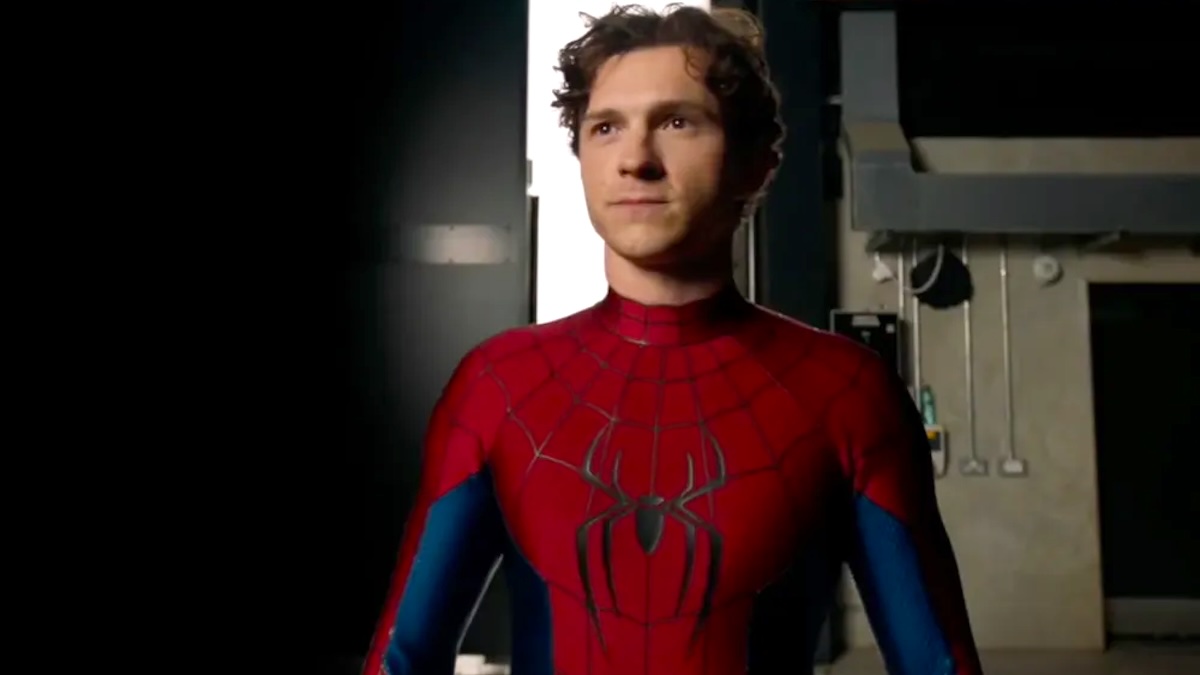
The Russo Brothers have finally explained why Tom Holland’s Spider-Man never had to grapple with the death of Uncle Ben, and the reasoning is more deliberate than you might think. For decades, the phrase “with great power comes great responsibility” has been synonymous with Peter Parker’s origin, but the Marvel Cinematic Universe decided to take a different approach.
The change wasn’t just a casual omission. Joe Russo told CBR the decision was made to preserve the tone and emotional core of Holland’s version of the character. In an exclusive interview, Russo explained that if Holland’s Spider-Man had blamed himself for Uncle Ben’s death, it would have fundamentally altered the character’s arc.
“What Tom Holland is as an actor, if he blamed himself for his Uncle Ben’s death, I think he becomes a very different character,” Russo said. “So in our minds, no, he wasn’t responsible for Uncle Ben’s death. That would have been a different interpretation. A more intense interpretation of the character.”
This shift in canon might seem minor to casual viewers
However, for longtime Spider-Man fans, it’s a significant departure. The death of Uncle Ben has always been the defining trauma of Peter Parker’s life, the moment that forces him to grow up and embrace his role as a hero.
In previous film adaptations, Tobey Maguire’s Spider-Man in Sam Raimi’s 2002 trilogy and Andrew Garfield’s version in The Amazing Spider-Man both followed the classic comic book origin, where Peter’s inaction directly leads to his uncle’s murder. But in the MCU, that pivotal moment was quietly erased, leaving many to wonder why.
Instead of Uncle Ben, the MCU’s version of Peter Parker’s trauma revolves around Aunt May. Marisa Tomei’s Aunt May has been a constant presence in Holland’s Spider-Man films, and her death in Spider-Man: No Way Home at the hands of Willem Dafoe’s Green Goblin became the emotional gut-punch that nearly pushed Peter to the edge.
The moment was brutal, especially since Peter had initially welcomed Dafoe’s Norman Osborn into his life, only for him to turn on the young hero in the most devastating way possible. The scene where Maguire’s older Peter stops Holland’s version from crossing the line into murder is one of the most intense in the entire MCU, and it’s clear that Aunt May’s death served as the emotional catalyst for Peter’s darkest hour.
But why introduce this change in the first place?
The Russo Brothers’ reasoning makes sense when you consider the broader context of Holland’s Spider-Man. Unlike Maguire and Garfield, who were introduced in standalone films, Holland’s Peter Parker entered the MCU already surrounded by established heroes like Iron Man and Captain America. The dynamic between Peter and Tony Stark, in particular, became a central part of his character arc.
Many fans have argued that Stark’s death in Avengers: Endgame filled the emotional void left by Uncle Ben’s absence. After all, Stark became a mentor, a father figure, and ultimately, a sacrifice that forced Peter to grow up in ways he never expected.
The loss of Stark was instrumental in shaping Peter’s journey in Spider-Man: Far From Home and No Way Home, where he struggled with grief, identity, and the weight of responsibility – all themes that traditionally stem from Uncle Ben’s death.
There’s also the practical consideration of repetition
By the time Holland’s Spider-Man debuted in Captain America: Civil War, audiences had already seen Uncle Ben’s death play out twice in live-action films. Rehashing the same origin story for a third time might have felt redundant, especially since the MCU was trying to carve out its own identity for the character. By shifting the focus to Aunt May, the films were able to explore new emotional territory while still keeping the core themes of loss and responsibility intact.
The decision to sideline Uncle Ben also allowed the MCU to take a fresh approach to Peter’s relationships. Aunt May, in Tomei’s portrayal, became more than just a maternal figure. She was a confidante, a source of wisdom, and eventually, a tragic casualty of Peter’s heroic life. Her death was a turning point for the character, one that forced him to confront the consequences of his actions in a way that felt organic to the MCU’s version of Spider-Man.
Of course, not everyone was happy with the change. Some fans have argued that removing Uncle Ben from the equation weakens the emotional foundation of Spider-Man’s origin. After all, the character’s entire motivation stems from that one moment of failure. But the Russo Brothers’ explanation makes it clear that this wasn’t an oversight, it was a deliberate creative choice.
Looking ahead, this change could have lasting implications for Peter Parker’s future in the MCU. With Spider-Man: Brand New Day set to debut this summer as part of Phase 6, Holland’s Spider-Man is entering a new chapter – one where he’s completely on his own, with no one left who remembers his secret identity.
The absence of Uncle Ben’s death might have seemed like a small detail at first, but it’s clear now that it was a foundational shift that allowed the MCU to tell a different kind of Spider-Man story. Whether that’s a good thing or not depends on who you ask, but there’s no denying that it’s a bold move.
(Featured image: Sony Pictures)
Have a tip we should know? [email protected]
Follow The Mary Sue:
