United blocks AI assistants from booking flights. Then, the airline reveals what these bots were allegedly doing to passenger accounts
Safety first.
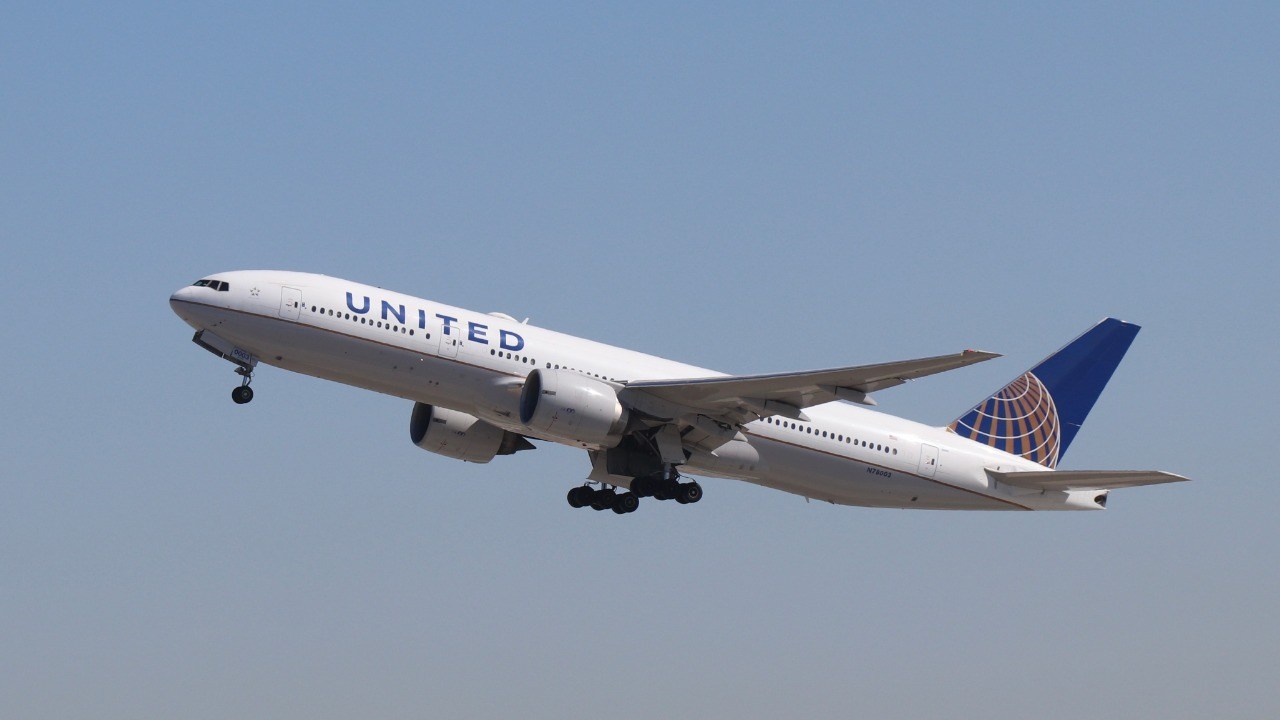
United Airlines is officially moving to block personal artificial intelligence agents from booking flights for passengers. According to PEOPLE, the airline announced this decision on Wednesday, November 11, 2026. This makes them the first major airline in the United States to take such a clear stand against the use of these automated tools. The company is now updating its ticketing, booking, and distribution policies to keep these bots away from their digital platforms.
The airline says it is concerned about how these AI tools interact with sensitive passenger data. They believe that sharing login details with third-party AI assistants is a major security risk. According to the airline, “Sharing account credentials with personal, third-party, AI assistants can expose sensitive information, and actions taken by these tools may result in unintended purchases, account changes, or use of MileagePlus miles.”
The airline makes a strong argument. Handing over customer account credentials to an automated program feels risky. If an AI agent makes a mistake, the customers are the ones left dealing with the fallout. The airline claims that these automated actions could lead to problems that are hard to fix. They are essentially trying to prevent unauthorized access before it becomes a bigger issue for their users.
Beyond the security of personal data, there are regulatory concerns too
The airline points out that some automated actions could violate rules set by the Federal Aviation Administration (FAA) and the Department of Transportation (DOT). These agencies have strict requirements for things like flight check-ins. For instance, the airline notes that “flight check-in requires human acknowledgment that bags do not contain banned substances like explosives.”
An AI agent cannot truly understand or be held accountable for these legal declarations. When people check in for a flight, they are confirming important safety information. A bot simply lacks the ability to make that kind of commitment. This is a top-tier concern for the airline because safety regulations are not optional. If an AI bypasses these human checks, it could create significant legal and safety headaches for everyone involved.
The company is not just stopping these agents on its own website. United is working to block them indirectly through travel agencies and aggregators as well. This means they are trying to cut off the access point for any third-party tool that tries to interface with their booking systems.
While they currently use their back-end tech systems to track the source of bookings, they report that they have not found many AI agent bookings yet. They are clearly looking to stay ahead of the curve before these tools become more common.
United is not the only company taking these kinds of steps
Other industries are doing the same thing to keep their systems secure. In a press release, the airline mentions that corporate leaders in the banking and retail industries have taken similar actions regarding AI agents. They are encouraging other companies to think about these measures to “preserve the data and security of their customers and strengthen safety.”
The airline is also providing customers with resources that can help. They are updating their Digital Trust Center with more information about these new restrictions. Customers can find out how to better protect their accounts and take necessary steps if an AI agent ever takes an unintended action on their behalf.
The airline maintains that its own app is designed to handle these tasks safely. They describe their app as an “industry-leading, award-winning” tool that lets customers manage their travel experience without needing an outside AI bot. They highlight that customers can use the app to book trips, choose seats, and even reschedule flights when the weather is bad. By pushing their own app, they are trying to provide a secure alternative for passengers who want to automate their travel management.
This shift in policy is likely just the beginning
As technology changes, the way people book travel will probably keep evolving. The airline says, “As personal AI assistants evolve, United will continue to evaluate how these tools interact with our services, with a focus on protecting our customers.”
The move to restrict access is part of a broader trend where companies are trying to reclaim control over their platforms. It is a reminder that while AI can be helpful, it can also create significant security gaps. The airline is clearly betting that the risks of letting bots handle sensitive bookings outweigh the convenience they might offer.
Have a tip we should know? [email protected]
Follow The Mary Sue: