


Trump Just Greenlit a Massive Industrial Land Grab That Puts Over 400 Endangered Species on the Path to Extinction
An irreversible step.
The Trump administration has taken a massive step toward dismantling the 2001 Roadless Area Conservation Rule, a move that threatens to open more than 45 million acres of national forest land to industrial activities like logging, drilling, and road construction. According to The Guardian, this decision, which surfaced following an announcement from the U.S. Agriculture Department on August 18, could have catastrophic consequences for the environment.
According to a new report from the Center for Biological Diversity titled Deadly Incursions, this rollback puts over 400 threatened and endangered plant and animal species on a dangerous path toward accelerated extinction. By removing protections that have been in place for more than two decades, the administration is effectively greenlighting a massive industrial land grab across 37 states.
The report highlights that this policy shift risks 7.4 million acres of designated critical habitat for endangered species and nearly 1,800 miles of protected rivers and streams. Considering that some of these species exist only in small, isolated populations, every acre of intact habitat matters for their survival.
Conservationists are sounding the alarm, and it is easy to see why
Randi Spivak, the public lands policy director at the Center for Biological Diversity, did not mince words regarding the potential fallout. “Our national forests are home to some of America’s most iconic animals, from grizzlies to hellbenders. These forests provide clean drinking water to countless communities. Bulldozing more roads through them will mean dirtier water, fragmented wildlife habitat and greater wildfire risk,” Spivak said.
She added, “For a generation the Roadless Rule has kept our wildest places wild. If Trump succeeds in scrapping it, he’ll do irreversible damage to our wildlife, water and the wild places that define the American landscape.”
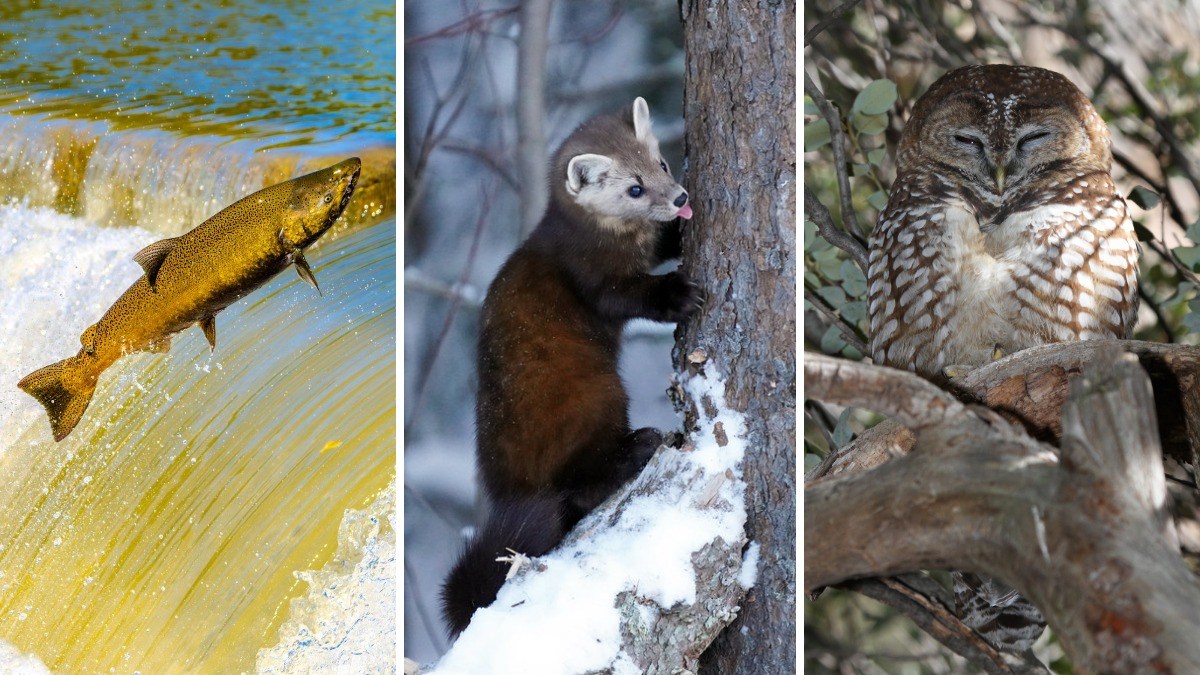
The environmental impact extends far beyond just wildlife habitat. Road construction and logging are notorious for causing significant soil erosion. This sediment runoff flows directly into waterways, raising water temperatures and smothering spawning beds for fish. This pollution doesn’t just stay in the forest; it travels downstream, threatening aquatic life like Chinook salmon, bull trout, candy darters, freshwater mussels, and various frog species.
The geographic reach of this proposal is staggering
In the Rocky Mountains alone, 9.7 million acres of roadless areas are at risk. This includes 2.9 million acres of critical habitat and nearly 11,000 miles of streams that support 21 imperiled plant and animal species. In Montana, these roadless areas are essential because they protect the watersheds that supply drinking water to communities in Bozeman, the Flathead Valley, and the Seeley-Swan Valley.
Looking toward the Pacific Northwest and Alaska, the 9.3 million-acre Tongass National Forest is in the crosshairs. This forest produces more wild salmon than any other national forest in the country. The regional economy, which relies heavily on a $1 billion-a-year commercial and sport fishing industry, accounts for one in every 10 jobs in southeast Alaska.
Furthermore, communities like Sitka depend on the Blue Lake Reservoir for drinking water. Increased logging and road construction could introduce enough sediment to jeopardize the city’s federal waiver, which currently allows them to avoid expensive conventional water filtration systems.
The situation in the Southwest is equally concerning
Nearly 10 million acres of roadless areas are at risk here. This region is home to 101 federally protected species, including jaguars, Mexican gray wolves, Mexican spotted owls, and loach minnows. These forests are vital for human infrastructure as well, providing 45% of the water for Phoenix, 75% for Flagstaff, and 75% for Albuquerque.
In the Southeast, the risks involve 1.1 million acres of roadless areas and 1,300 miles of streams, threatening species like the eastern hellbender, the Carolina northern flying squirrel, and the bog turtle. In Georgia, the Chattahoochee National Forest protects headwaters that provide more than 70% of the drinking water for about 5 million people in metro Atlanta.
Across the Pacific, 8.4 million acres are at risk, including habitat for the incredibly rare Sierra Nevada red fox, which is estimated to have a population of just 18 to 39 individuals. Meanwhile, in the Northeast and upper Midwest, hundreds of thousands of acres are being opened up, impacting species like the Canada lynx, the American marten, and the northern long-eared bat.
This move is just the latest in a series of environmental rollbacks
Since Donald Trump took office last January, he has permitted off-road vehicles on public lands, removed drilling-free buffer zones near a world heritage site in New Mexico, and ordered tree cutting across 280 million acres of national forests. The U.S. Forest Service, which manages 193 million acres, has seen a significant overhaul during this time.
The public has until September 21 to comment on the proposed rescission of the Roadless Rule, but for many conservationists, the damage to these wild, unfragmented landscapes feels like an irreversible path toward losing some of America’s most precious biodiversity.
(Featured images: Héctor Berganza, U.S. Fish and Wildlife Service, Gary L. Clark)
Have a tip we should know? [email protected]
Follow The Mary Sue:
