


Pentagon arms supplier Palmer Luckey proposes using unregulated oxytocin to save marriages in America: ‘Maybe you won’t die alone’
Hormonal intervention.
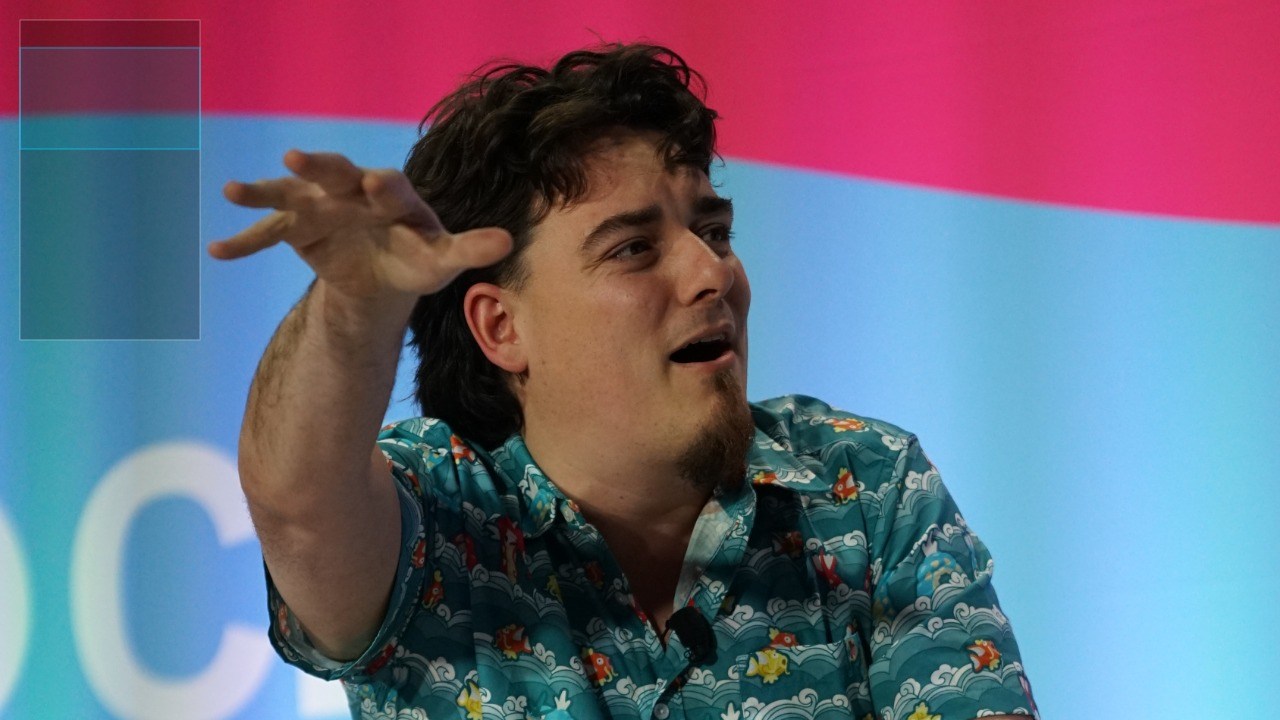
Palmer Luckey is proposing the use of unregulated oxytocin as a potential solution for couples facing divorce. The billionaire defense contractor and founder of Oculus shared this idea during an appearance on the Moonshots podcast. According to The Daily Caller, Luckey believes that utilizing the body’s natural bonding hormone could help keep marriages intact. He finds this especially relevant for couples who are currently raising children together.
Luckey stated on the program, “I would try to end the tragedy of divorce with oxytocin doping for marriage counseling.” He views this as a way to address declining birth rates and his personal interest in natalism. The entrepreneur argued that many couples should stay together despite their current difficulties, explaining how the hormone acts as a catalyst for mammalian pair bonding.
Luckey further highlighted that oxytocin is currently totally unregulated. He pointed out that individuals can easily source the compound from chemical suppliers. He specifically mentioned that, “You can go buy a kilogram of oxytocin on Sigma Aldrich Chemical Supply right now, and if you do that, maybe you won’t die alone.”
Luckey presented his theory as a practical, chemical intervention for relationship health
In the billionaire defense contractor’s view, oxytocin actually helps users overcome other emotional barriers. “Unlike most drugs, it doesn’t form a chemical dependency. It actually unburdens you from a chemical dependency,” he said. He drew parallels to the use of oxytocin in helping mothers bond with infants. He also noted its historical use in helping some autistic children.
The scientific reality behind this proposal is quite nuanced. Oxytocin is widely recognized as the love or bonding hormone. It plays a significant role in social interactions and human attachment. According to Times Now, research shows it is involved in how we respond to touch and other social cues. Studies have observed higher levels of this hormone in couples who have recently fallen in love. It is often linked to affectionate behaviors within romantic relationships.
However, the idea that a simple dose can fix a failing marriage is a massive oversimplification. A marriage usually breaks down due to a complex web of factors. These can include communication breakdowns and deep-seated resentment. Financial stress and incompatible expectations often drive couples apart as well. A single chemical cannot magically resolve these deep personal and structural issues.
The medical community maintains a very clear stance on the current use of this hormone
The Food and Drug Administration has approved oxytocin for specific medical procedures. These include inducing labor and managing postpartum bleeding in a clinical setting. Intranasal oxytocin has not received approval for use in the United States for any other purposes. Relying on unregulated sources for relationship therapy is a significant departure from standard medical practice.
Scientific research on the hormone is also far from conclusive. Systematic reviews have shown that the role of oxytocin in romantic dynamics is incredibly complicated. Results from various studies have been inconsistent so far. There is no clear consensus on how this hormone interacts with individual biology. The effects often depend heavily on the specific circumstances of the individuals involved.
Many experts see potential for oxytocin to eventually complement traditional therapy. However, the current body of research remains very preliminary. Most findings come from small studies that require much more rigorous testing. There are still many unanswered questions about how such an intervention would be safely implemented. For now, the most effective tools for relationship health remain firmly rooted in traditional methods.
Open communication and mutual effort are still the primary drivers of a successful partnership. Professional counseling remains the gold standard for those navigating difficult marital transitions. While the idea of a chemical shortcut is intriguing, it is not a substitute for human work. Luckey has certainly sparked a debate about the intersection of biology and social stability. Whether or not this moves beyond a speculative pitch remains to be seen.
There’s a huge gap between Luckey’s proposal and scientific reality
He sold Oculus to Facebook before moving into the defense sector with Anduril. His approach to social problems often mirrors his approach to technology. He looks for a clear input that can produce a measurable output. In the case of marriage, he sees a hormonal input that could theoretically stabilize a relationship.
The gap between his proposal and current scientific reality is wide. It is important to remember that human relationships are rarely purely chemical in nature. While biology provides the foundation for our attachments, the architecture of a marriage is built on choice and the daily commitment to work through problems together. No amount of hormonal doping can replace the need for empathy and patience.
Have a tip we should know? [email protected]
Follow The Mary Sue:
