


A 13,000-year-old California oak just dodged bulldozers but the fight over its survival is far from over
A living relic.
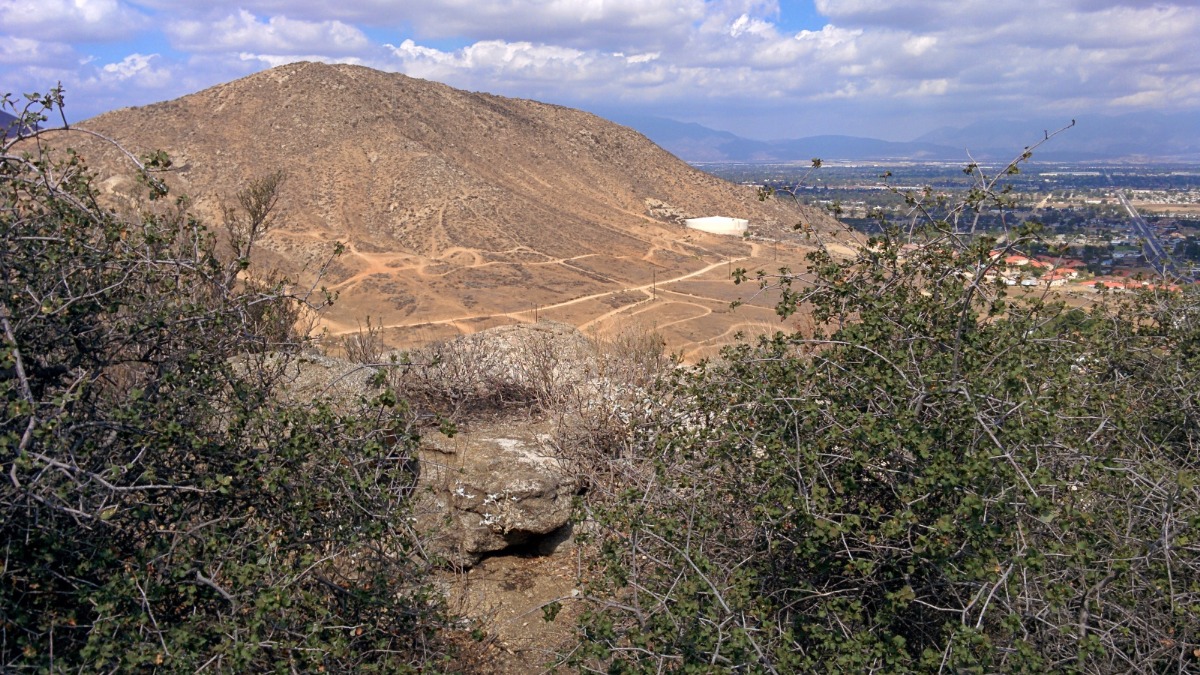
The world’s oldest oak tree just got a major reprieve from bulldozers, but the battle to keep it alive for another 13,000 years is still heating up. After an 18-month legal showdown, conservation groups, city officials, and a real estate developer finally hammered out a deal that pushes a massive housing project a full 1,000 feet away from the Jurupa Oak, a clonal colony of Palmer’s oak that’s been cloning itself since the last Ice Age.
This isn’t just any tree. According to People, the Jurupa Oak has been standing in Southern California’s Jurupa Valley for roughly 13,000 years, making it one of the oldest living organisms on the planet. It’s also a cultural cornerstone for the Kizh Nation, an Indigenous group that has long considered the oak sacred.
When plans for the Rio Vista development, a 900-acre project with 1,700 homes, a business park, and a school, threatened to creep within 450 feet of the tree, conservationists sounded the alarm. They argued the project would drain underground water, disrupt wildlife, and turn the oak’s habitat into a construction zone.
The Center for Biological Diversity has been fighting to keep the oak safe
The Center for Biological Diversity, one of the groups leading the charge, didn’t hold back in its criticism. In 2024, it accused the city of Jurupa Valley of ignoring the project’s environmental risks, from wildfire hazards to greenhouse gas emissions. The lawsuit that followed wasn’t just about saving a tree, it was about protecting an entire ecosystem. And after months of negotiations, the groups secured a deal that’s a win for both conservation and development.
Under the new agreement, nearly 55 acres around the Jurupa Oak will be permanently protected, creating a buffer zone that’s more than double the original distance. The Kizh Nation will also gain 500 acres of land in the area, a separate deal that acknowledges the oak’s cultural significance.
Aruna Prabhala, a senior attorney at the Center for Biological Diversity, called the compromise a relief. “I’m relieved that we can steer development away from an oak that’s so special it can’t be found anywhere else in the world,” she said. “Our goal was to minimize risk to the Jurupa Oak and this agreement does exactly that while also making it easier for hillside animals in the region to roam and thrive.”
The deal doesn’t just stop at protecting the oak
It also sets new standards for the Rio Vista project, including minimized lighting, wildlife-friendly fencing, and a requirement to use native plants along a designated wildlife corridor. That corridor will connect the oak’s habitat to over 350 additional acres of conserved land, giving animals like bobcats and coyotes room to move. Len Nunney of Friends of Riverside’s Hills called the agreement a major step forward.
“Preserving the unique Palmer’s oak and the hillside that has allowed it to survive all these millennia was our primary goal,” he said. “And by adding additional conserved natural open space previously slated for development and a wildlife corridor linking the area to more than 350 additional acres of conserved land, we’re preserving habitat extensive enough to support a viable ecosystem.”
The Jurupa Oak itself is a marvel of nature. Unlike most trees, which grow from a single trunk, this ancient organism is a clonal colony, meaning it reproduces by sending up new shoots from its roots. The result is a sprawling shrub that stretches nearly 80 feet across, a living relic from a time when woolly mammoths still roamed North America.
Nick Jensen, conservation program director, California Native Plant Society, said, “The Jurupa Oak is one of the world’s oldest organisms, whose sheer existence is a miracle. It’s a living connection to the Ice Age, when woolly mammoths still roamed North America, and an acorn germinated to become this very plant.”
He added, “We are thrilled that today’s settlement significantly increases the buffer around the Jurupa Oak. It’s a critical safety measure to help ensure that it survives as a symbol of California’s remarkable biodiversity and resilience.”
The legal battle that led to this agreement was no small feat
The Center for Biological Diversity, California Native Plant Society, Endangered Habitats League, and Friends of Riverside’s Hills sued the city of Jurupa Valley in 2024, arguing that the original development plans violated the California Environmental Quality Act. They claimed the city failed to properly assess the project’s impact on the oak and its surrounding environment.
The lawsuit forced a reckoning, and the resulting compromise shows that even in a state where development often wins, conservation can still carve out a place at the table. But the fight isn’t over. While the oak is safer today than it was 18 months ago, its long-term survival still depends on how well these protections hold up.
The agreement allows environmental groups and California Native American Tribes to purchase an additional 54.3 acres of land to conserve even more open space, but that’s not a guarantee. Developers will still move forward with Rio Vista, and the oak’s future will hinge on whether the new safeguards are enough to keep it thriving. For now, though, conservationists are celebrating a hard-won victory.
The Jurupa Oak has survived climate changes, droughts, wildfires, and the rise and fall of civilizations. With this new buffer zone and the added protections, it just might survive the next 13,000 years too. If you’ve ever driven through Jurupa Valley, you might not even notice it at first glance. It doesn’t tower like a redwood or spread like a giant sequoia. But this unassuming shrub is a time capsule, a living piece of history that’s seen more of the world than any of us ever will.
(Featured image: Unknown)
Have a tip we should know? [email protected]
Follow The Mary Sue:
