


Trump Is Gutting the Department of Education, and Critics Warn the Fallout Will Hit the Country’s Most Vulnerable Students First
Attack on progress.
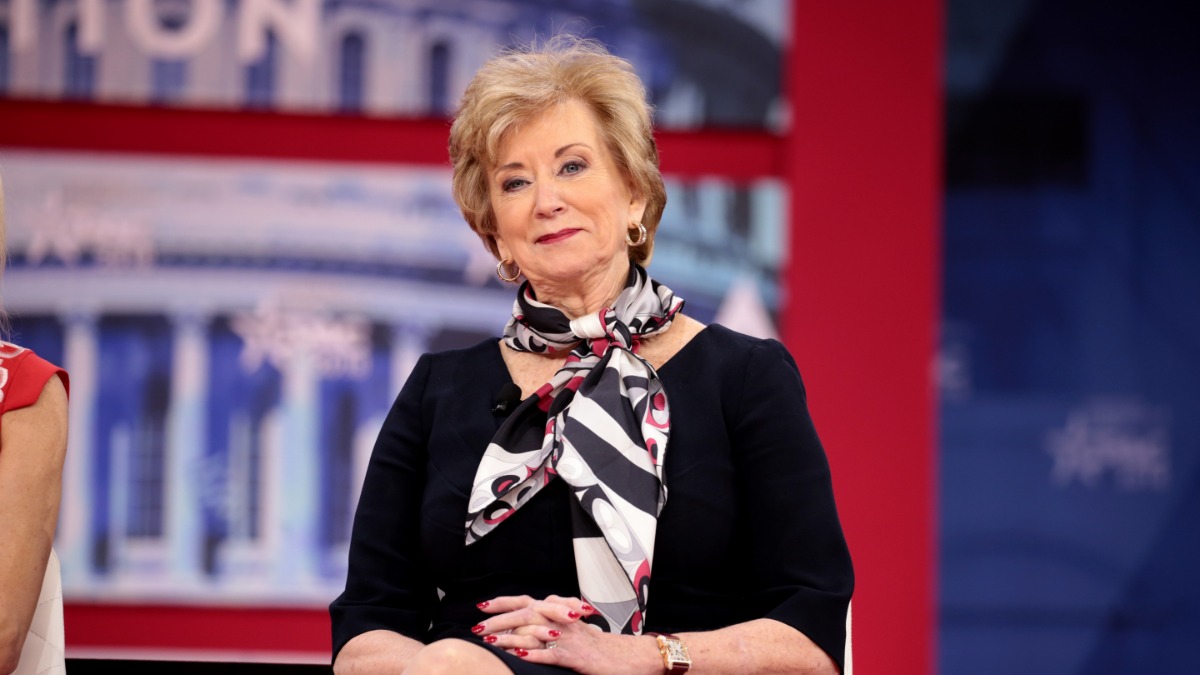
Donald Trump’s latest move to gut the Department of Education is sending shockwaves through the country, and critics say the fallout will hit the most vulnerable students first. According to NPR, on June 16, 2026, the administration announced it is shifting oversight of special education and civil rights enforcement to other federal agencies, a decision that disability advocates and former officials are calling a direct attack on decades of progress.
The Office of Special Education and Rehabilitative Services (OSERS), which manages programs supporting students with disabilities under the Individuals with Disabilities Education Act (IDEA), will move to the Department of Health and Human Services (HHS). Meanwhile, the Office for Civil Rights (OCR), which protects students from discrimination based on race, gender, disability, and national origin, will be handed over to the Department of Justice (DOJ).
The changes are part of what Education Secretary Linda McMahon described as “partnerships” aimed at improving efficiency, but critics see them as another step toward dismantling the department entirely. McMahon framed the shift as a way to “strengthen academic outcomes and support individuals with disabilities so that they can achieve greater independence.” She also claimed moving civil rights enforcement to the DOJ would lead to “stronger, more coordinated civil rights enforcement.”
But behind the scenes, officials were vague about how the changes would actually work
A former OSERS staffer, who spoke anonymously out of fear of retaliation, called the move “another vindictive attempt to undermine public education.” The staffer, who has disabilities and is the parent of an adult with disabilities, warned that separating IDEA oversight from the Department of Education would “decimate civil rights protections that have been in place for more than 50 years.”
The concern isn’t just theoretical. IDEA is an education law, and advocates argue that moving its oversight to HHS – a department focused on medical and health services – makes no sense. Denise Marshall, CEO of the Council of Parent Attorneys and Advocates (COPAA), put it bluntly: “We’re not going to all of a sudden go to our surgeon to learn how to read.”
Chad Rummel, CEO, Council for Exceptional Children (CEC), echoed that sentiment, saying the move risks stripping away federal oversight of special education. He pointed to Project 2025, a conservative policy blueprint for a second Trump administration, which proposes converting most IDEA funding into block grants distributed directly to local agencies by HHS.
The plan’s author, Lindsey Burke, works at the Education Department, raising questions about if this is the beginning of a broader rollback. The former OSERS staffer warned that HHS lacks the expertise to handle special education. They said its focus is more on “what medication [students] are taking or what their pathology is” rather than how to help them thrive in school.
That’s a stark contrast to the decades of experience built up within OSERS, where staff have worked to ensure students with disabilities get the support they need. Without federal oversight, the staffer said, schools could prioritize other expenses over critical services, like using funds for football jerseys instead of one-on-one aides for students with autism.
The move to shift civil rights enforcement to the DOJ is just as controversial
Catherine Lhamon, who led OCR under both Obama and Biden, called it “a terrible idea,” arguing that the Justice Department has “no interest and no expertise” in the kind of work OCR does. She noted that OCR was specifically placed within the Education Department in 1979 because Congress wanted civil rights enforcement to be handled by people who understand the school context.
Kenneth Marcus, who ran OCR during Trump’s first term, was more measured, saying the success of the move would depend on implementation. But even he acknowledged that the key question is whether the DOJ will actually pursue enforcement when needed.
Legally, the administration is walking a fine line
Federal law requires OSERS to exist within the Education Department, so to bypass Congress, officials are outsourcing day-to-day operations while keeping a small team at the department to maintain nominal oversight. It’s the same playbook they used last November when they moved other key education offices to different agencies without congressional approval.
At the time, officials insisted the statutory responsibilities would remain at the department. However, advocates say that’s little comfort when the people actually doing the work are being scattered across other agencies.
For parents, teachers, and students, the stakes couldn’t be higher. The Education Department has already seen its responsibilities shrink under Trump, and these latest moves are a clear signal that the administration is serious about its goal of closing the agency entirely.
If that happens, the fear is that the most vulnerable students – those with disabilities and those facing discrimination – will be left without the protections they’ve relied on for decades. And once those safeguards are gone, rebuilding them won’t be easy.
(Featured image: Gage Skidmore)
Have a tip we should know? [email protected]
Follow The Mary Sue:
