


‘Free Money’: TikToker Says Treating a Credit Card Like a Debit Card Can Pay for Flights and Hotels
The viral strategy can turn everyday purchases into travel rewards, but there’s more to “free” flights than swiping a card.
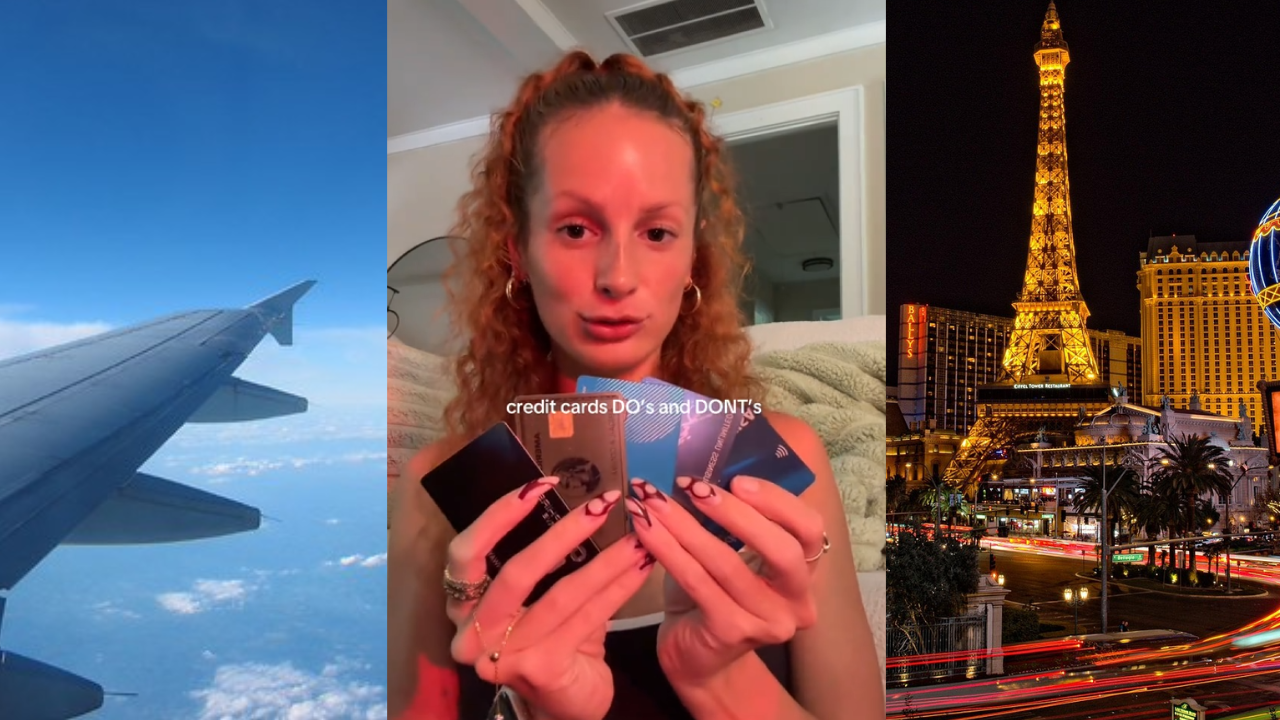
Abby (@savewithab) wants people to stop being afraid of credit cards. In a TikTok titled “Credit Cards 101,” she lays out the rules she follows to earn points without taking on debt, starting with a simple one: Treat the card like a debit card.
If the money isn’t already in the bank, Abby says, don’t put the purchase on the credit card. Pay the balance in full each month, avoid maxing out the card and use the available credit to rack up points on expenses that were already going to happen.
The payoff, she says, can be flights, hotels and other travel. Abby also argues that cashing out points isn’t always the best move. Depending on the card and the redemption, she says the same points can be worth considerably more when used for travel.
Abby’s credit card rule starts with having the cash
The rewards are not really the first step in Abby’s system. Having the money to pay the bill is. In the video, she tells viewers that if they couldn’t pull out cash and pay for a purchase, they shouldn’t swipe their credit card. She specifically warns against treating a credit limit like extra money.
That means the strategy is built around expenses that are already in the budget. Gas, groceries and other regular purchases can go on the card, but the card isn’t supposed to make those purchases possible.
Paying the balance in full is important because interest can wipe out the value of the rewards. The Consumer Financial Protection Bureau says consumers can generally avoid interest on purchases by paying their credit-card balance in full by the due date, although the terms of the card and its grace period apply. Carrying a balance can lead to interest charges.
Abby also tells viewers not to let a card get close to its limit. She recommends spending less than 30% of the credit limit before making a payment. For a card with a $1,000 limit, her example would mean keeping the balance below $300 before paying it down.
Credit utilization is one factor in credit scoring. FICO places it under “Amounts Owed,” which accounts for 30% of a typical FICO Score, and generally considers lower utilization better.
Abby says increasing a credit limit can give someone more room to put everyday expenses on the card. She makes a point of saying that the extra credit shouldn’t be an excuse to spend more.
A free flight can depend on how those points are redeemed
Abby has another rule for her cards: Don’t automatically take the cash. In the TikTok, she says someone with 100,000 points might get around $750 by redeeming them for cash. She argues that those same points could potentially cover a much more expensive flight. That can happen, but points don’t have a fixed value across every rewards program.
The value depends on the card, the rewards program and how the points are redeemed. A cash-back redemption may have a set value, while a travel redemption can sometimes provide more value. Airline and hotel programs also have their own rules, availability and pricing.
So 100,000 points do not automatically equal $750 in cash or a specific dollar amount of airfare. The value has to be determined by what those points can actually buy.
That’s also why the strategy requires more work than putting every purchase on a credit card. Someone who wants to get the most from travel rewards has to know what their points are worth and compare redemption options instead of assuming that the biggest points balance means the biggest reward.
That is the part of Abby’s advice that gets overshadowed by the promise of free travel. Her system isn’t really about finding a credit card that hands out free vacations. It’s about putting expenses that are already affordable on a card, paying the bill before interest piles up and then using the resulting rewards carefully.
This is an opinion piece. The views expressed in this article are those of just the author.
Follow The Mary Sue:
