


Therapist tackles the trend of people ‘Frankensteining’ their partners. Then she explains why they do it: ‘bringing to life their ideal partner’
Are you making a monster?
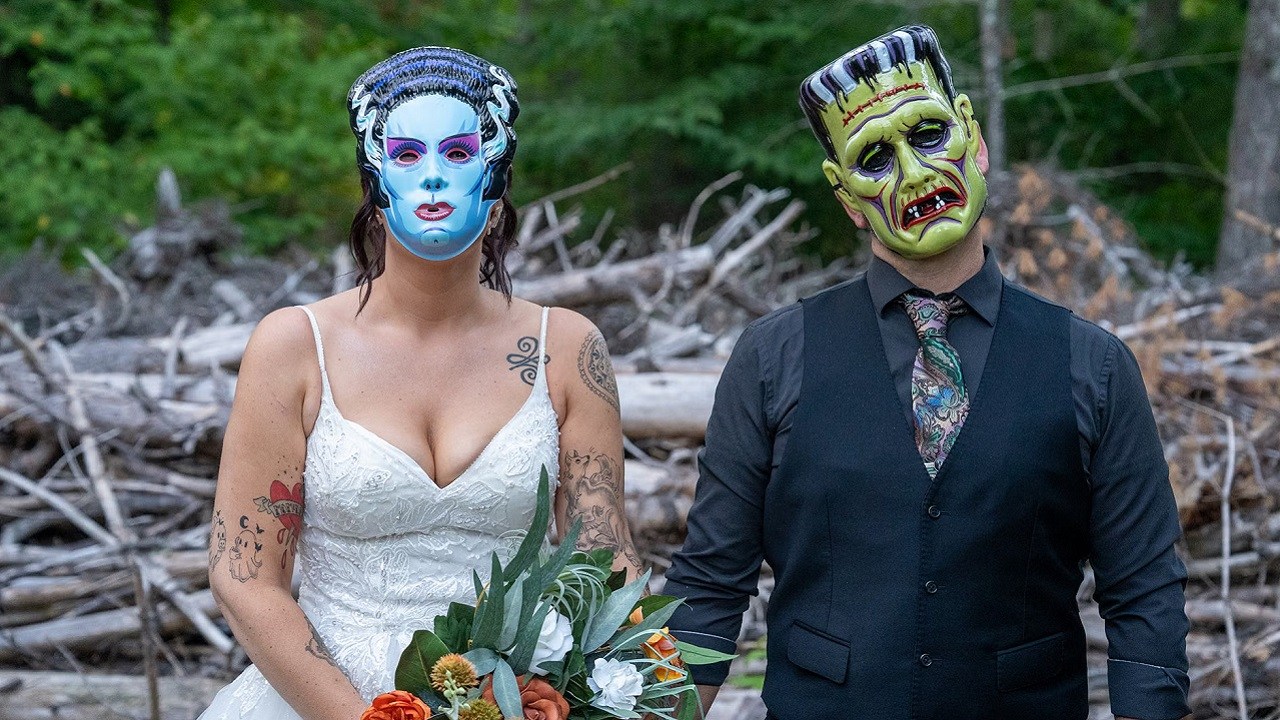
Frankenstein has been in pop culture for decades, keeping Mary Shelley’s classic novel from 1818 alive. Usually, the term refers to Frankenstein’s monster, which was pieced together and brought to life by Dr. Frankenstein.
Now, the term is being used to describe a trend that might be problematic in the modern dating landscape. Sara Sloan, a therapist, tackles the idea of “Frankensteining” in dating, explaining what it is and why it can be harmful in pieces covered by Bored Panda and Vice.
The term “Frankensteining” might be newer, or simply growing in popularity, but according to Sloan, the behavior in dating isn’t new. According to her, it’s always been an issue in dating.
The creation of a patchwork perfect partner
Sloan defines it this way: “Frankensteining involves trying to mold or change your partner’s appearance, interests, and habits to better fit what you believe to be your ideal partner.” Basically, you see qualities you like in your partner and qualities you don’t. You want to keep the qualities you like, but replace those you don’t with ones you do.
This behavior isn’t necessarily malicious by default, and it’s possible for people to try to Frankenstein their partner without realizing it. Sloan says that even wanting your partner to join you in hobbies you enjoy and they don’t, or having them change the way they dress, would count as Frankensteining.
As to why people tend to fall into this behavior, Sloan said, “”A lot of people Frankenstein their partner as part of wishful thinking, bringing to life their ideal partner.” It seems to happen after the honeymoon phase of a new relationship, as she said, “Frankensteining usually begins to happen as the new relationship energy wears off, and you begin to notice things that feel less than optimal in your new partner. So, rather than breaking up and risk having to start over completely, it can feel easier to Frankenstein your partner into something that fits your ideal.”
You can catch the behavior and avoid it
Sloan provided some advice to avoid falling into the pattern, saying, “The best way to avoid Frankensteining your partner is to allow them to maintain their autonomy. Allow them to be different than you, or different than your ideal. Frankensteining your partner is really a way to control them by attempting to change who they are physically, mentally, or emotionally.”
Psychology Today provides additional tips to help distinguish between Frankensteining and supporting your partner. The key is in how you regard your partner’s feelings and wishes. Your partner might decide that they want to try a new hairstyle, and supporting them in that wouldn’t be Frankensteining them, as this is what they wish.
The problem is when you make your partner change something about themselves, like maybe you want them to avoid wearing blue, but it’s their favorite color, and you ignore their opinion on the matter, encouraging them to make the change anyway for your preference and without any positive benefit for them; for example, it’s not something that will improve their health in some way.
If you find yourself Frankensteining, Psychology Today recommends remembering that relationships aren’t perfect. In the event that you want to change a lot about your partner, then you might want to consider if that person is right for you, or if it might be time to leave.
Have a tip we should know? [email protected]
Follow The Mary Sue:
