The U.S. Mint has been losing money on the penny since 1793. Now, Trump signs a new law to stop the bleeding
‘It’s common sense!’
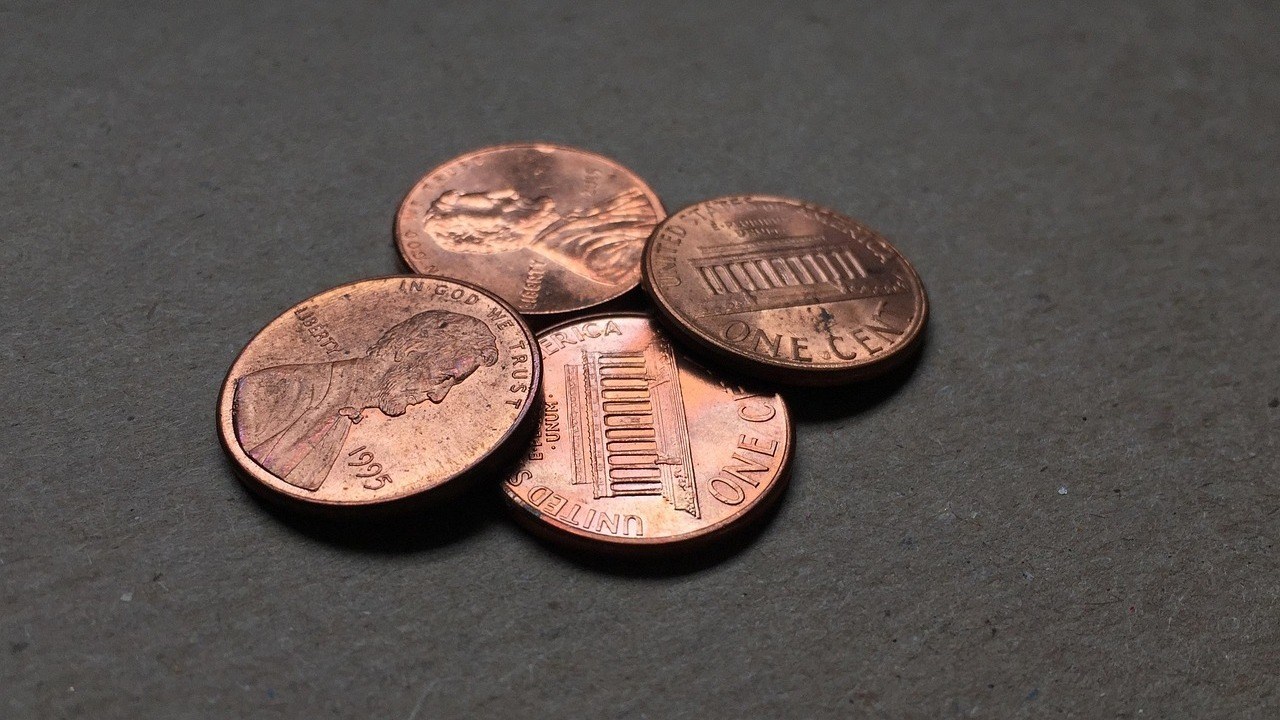
The United States has officially ceased the production of the penny after nearly 250 years of continuous operation. According to NBC News, President Donald Trump signed the bipartisan Common Cents Act into law on Friday, November 20, 2026, marking the formal conclusion of the coin’s long history. This legislative move brings a permanent end to the manufacturing process that has drained federal funds since 1793.
The House and the Senate both passed the measure by voice vote with no notable opposition. The decision to retire the coin stems from the simple reality that it costs more to make a penny than the coin is actually worth. Rep. Lisa McClain, the author of the bill, highlighted this financial disparity on X after the Senate passed the measure on September 29.
“It costs nearly FOUR cents to make just one penny,” McClain had stated. She further emphasized the economic impact of the move by noting, “This legislation will save $85 million per year by permanently ending penny production – it’s common sense!”
The federal government had already taken steps to address the issue
While these savings are significant, the U.S. Mint previously estimated that discontinuing the coin would provide annual savings of roughly $56 million. The federal government had already taken steps to address the issue well before the final signing of the act. President Trump initially called for the Treasury Department to halt production in February 2025.
At that time, he expressed his frustration with the process on social media. “For far too long the United States has minted pennies which literally cost us more than 2 cents,” he wrote. He continued by saying, “This is so wasteful! I have instructed my Secretary of the U.S. Treasury to stop producing new pennies.”
Following that directive, the U.S. Mint in Philadelphia concluded production of the penny nine months later. U.S. Treasurer Brandon Beach officially stamped the final coin during a ceremony held last November, per PEOPLE.
During that event, Acting Mint Director Kristie McNally reflected on the transition. “Today the Mint celebrates 232 years of penny manufacturing,” she said. “While general production concludes today, the penny’s legacy lives on. As its usage in commerce continues to evolve, its significance in America’s story will endure.”
The penny is not disappearing from circulation immediately
Despite the end of mass production, the penny is not disappearing from circulation immediately. The new law specifies that the coin remains legal tender for all public charges, taxes, and debts. The Federal Reserve plans to recirculate the approximately 114 billion pennies currently in existence for as long as possible. The U.S. Mint will also continue to produce limited quantities of the coin specifically for collectors.
The legislation introduces practical changes for how businesses handle cash transactions moving forward. It provides formal procedures for stores to round prices to the nearest amount divisible by 5 cents. This change addresses the logistical challenge of operating in a market without the lowest-denomination coin.
As the penny exits the stage, the nickel is set to take its place at the bottom of the currency list. To help offset costs, the law allows the nickel to be manufactured with a new composition. It will now feature an inner layer of zinc and an outer layer of nickel instead of the current, more expensive copper and nickel mix.
The history of the penny is a long and complex one
Congress originally authorized the coin through the Coinage Act of 1792, and the U.S. Mint began production the following year. The coin has undergone many visual transformations over the last two and a half centuries. The very first version in 1787 featured a sundial design created by Benjamin Franklin. After the U.S. Mint took over, the design evolved to include the image of a woman representing Liberty and 15 chain links.
It was not until 1909 that the familiar image of President Abraham Lincoln appeared on the face of the coin. Other designs have come and gone, including the flying eagle and wreath display from 1857 and the Indian Head design introduced two years later. The most recent version, issued in 2010, features a Union Shield on the tails side. According to the U.S. Mint, this design represents Lincoln’s preservation of the United States as a single country.
The Treasury Department noted that the decision to suspend production was influenced by the rising cost of materials. The cost to produce a single penny had climbed to 3.69 cents. The U.S. Mint website explains that the Secretary of the Treasury decided to suspend the coin upon determining that it is no longer necessary to meet the needs of the United States.
Have a tip we should know? [email protected]
Follow The Mary Sue: