


Skydance fired James Gunn because of “no pop culture impact,” do they even know what that means?
Last Friday, Skydance co-CEOs David Ellison and Ynon Kreiz walked into James Gunn and Peter Safran’s offices on the Warner Bros. lot and told them they were done, despite earlier assurances that the pair would be part of the new Skydance mega-studio. Gunn had been writing a Superman follow-up and was reportedly planning a trilogy. He was not a man packing his bags.
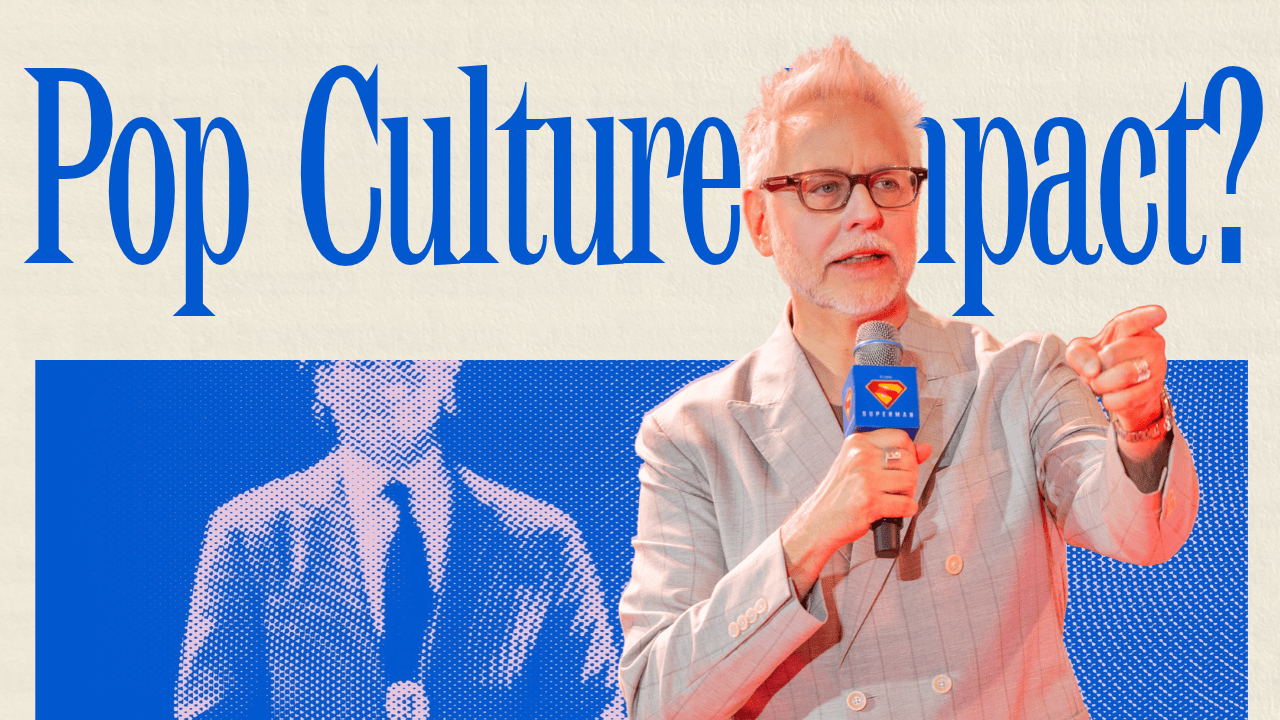
The explanation now making the rounds is a familiar one. Skydance reportedly viewed Supergirl as a disaster, and felt Superman failed to turn a profit or deliver the kind of pop culture impact a movie like that should. That phrase, pop culture impact, is the one that keeps snagging on my brain.
Because I would love for someone at Skydance to define it. Impact on what, exactly? The culture, or the quarterly report? Those are not the same thing, and the way this story is being told suggests the people making the call have quietly decided they are.
What impact actually looks like
Superman landed in 2025 and people argued about it for weeks. They argued about Krypto, about the politics, about whether the tone was too sincere or exactly sincere enough. It made north of $600 million worldwide. Kids wore the shirt. Strangers on the internet fought over a movie about a guy in a cape being kind. If that is not cultural impact, I do not know what the phrase is supposed to mean.
And Gunn’s own record is hard to wave away. He took a team of previously obscure characters and turned them into pop culture icons with the Guardians films. Nobody at the time was begging for a talking raccoon and a tree. He made the culture care, which is the whole job.
Money as a stand-in for meaning
Here is my suspicion, and it is only that. When a studio says “impact,” it often means “return.” A movie that earns a respectable profit but does not dominate the quarter gets labeled a failure of culture, because that sounds more thoughtful than admitting the spreadsheet was disappointing. Calling something culturally irrelevant is a classy way of saying it did not print enough money.
You can see the same logic in how the other films were reportedly judged. Clayface was a modest success that led to talk of more spooky, slimmed-down DC movies, but barely breaking even was not enough for Skydance. A small, weird, cheaper movie that pays for itself used to be called a win. Under this regime, it is a shrug.
And look at who is replacing Gunn. Jeremy Latcham is described as a down-the-middle shooter whose goal is to make hits for the masses and get people into theaters. There is nothing wrong with wanting hits. But “hits for the masses” is a revenue goal, not a creative one, and it tells you what the new owners think impact is. It is a number.
The fair caveat
To be fair, the money was probably not the only issue. The same reporting says Gunn and Safran were reportedly slow to share plans, slate details and footage with Skydance’s movie heads, and there was tension over a reporting structure that let them bypass the new film chiefs. That is ordinary corporate friction, and it is the kind of thing that gets executives fired in any industry. These are also anonymous sources, so everything here should be held loosely.
But notice which reason got the headline. Nobody is rallying around the footage-sharing dispute. The line that traveled was about impact, because it lets the decision sound like a judgment on the art rather than a fight over who answers to whom.
Why this should worry fans
If a studio decides that cultural impact is whatever clears a financial bar, then every risky, strange, and personal swing becomes a liability on day one. The next Superman gets sanded down before the cameras roll. The next obscure hero never gets a chance to become an icon, because icons start out obscure and expensive.
Gunn may well have made mistakes. Supergirl may well be a problem. But a studio that cannot tell the difference between a movie people talk about and a movie that topped a chart is going to keep making forgettable things and wondering why nobody remembers them. Skydance has decided what impact means. I just hope they are right, because the rest of us are the ones who have to sit through the result.
This is an opinion piece. The views expressed in this article are those of just the author.
Follow The Mary Sue:
