


Royal Caribbean pays up big after man was served more than 30 drinks before becoming ‘belligerent.’ So he was stomped and killed by the security
Some vacations come at a terrible cost
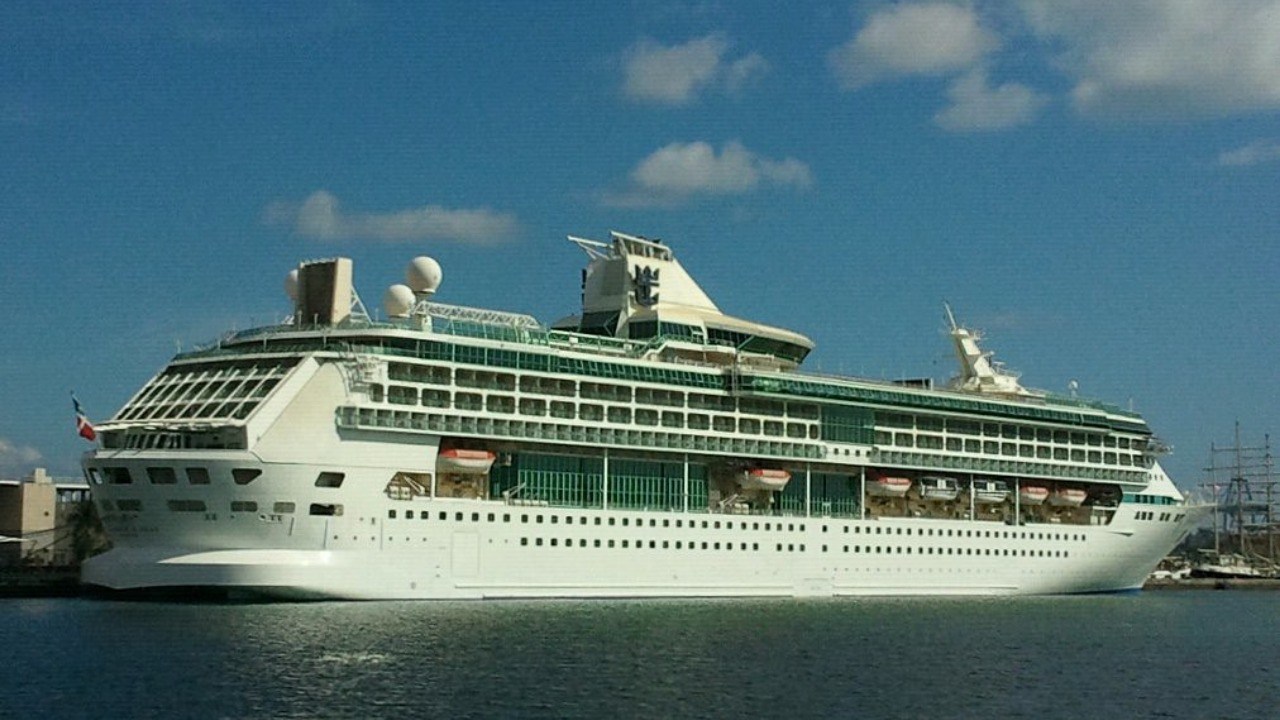
An unlimited drinks package should not end in tragedy. However, one family’s cruise turned deadly after a passenger was allegedly served more than 30 drinks before a confrontation with security.
The incident raises questions about Royal Caribbean’s handling of passenger safety. Now, the cruise line has agreed to pay the man’s family following his death.
According to Law&Crime, Michael Virgil, 35, died aboard Royal Caribbean‘s Navigator of the Seas in December 2024. His family claims staff served him 33 alcoholic drinks despite signs of intoxication. The cruise line has reached a settlement for an undisclosed amount.
Then things went further than anyone expected
Virgil boarded the ship with his family on December 13, 2024, around 11 a.m. Their cabin was not ready, so employees allegedly directed him toward a bar. He had purchased the cruise line’s Deluxe Beverage Package, which allowed passengers to order unlimited alcoholic drinks, one at a time.
His family alleged that employees served him 33 drinks within several hours. Despite showing visible signs of intoxication, Virgil reportedly continued receiving alcohol. His fiancée later filed a lawsuit accusing Royal Caribbean of negligence for failing to stop serving him. The complaint argued that employees knew or should have known he was intoxicated.
The situation escalated when Virgil struggled to find his cabin. According to an FBI investigator cited in the coroner’s report, Virgil became “belligerent” and was “making violent threats to staff and guests.” He allegedly kicked doors, removed ceiling panels, and brandished them as weapons.
Security personnel eventually confronted him. The family’s complaint alleged that guards tackled Virgil, handcuffed him, and zip-tied his feet. They also used pepper spray, while a ship doctor administered a sedative. What happened during the restraint later became a central part of the family’s lawsuit.
However, the family claims the force did not stop there. Guards allegedly stood on Virgil with their full body weight and held him face-down for approximately three minutes. The complaint maintains that the pressure restricted his breathing, causing oxygen deprivation and respiratory failure before he suffered cardiac arrest.
His autopsy identified several contributing factors, including obesity, an enlarged heart, and alcohol intoxication. His heart weighed 560 grams, above the reported normal range of 230 to 383 grams for men. His blood-alcohol concentration was recorded at 0.182 three days after his death. The coroner classified his death as homicide, citing the combined effects of mechanical asphyxia and his underlying physical conditions.
The family’s lawsuit challenged both the decision to keep serving Virgil alcohol and the security response. It also raises questions about how cruise ship security handles confrontations and whether staff took appropriate precautions once Virgil was restrained. The complaint alleged that the cruise line’s actions directly contributed to his death.
The lawsuit was filed in federal court in Florida, where Royal Caribbean is headquartered. The family initially sought an unspecified amount in damages. Court records now confirm that the parties have reached a settlement, with an undisclosed payment going to Virgil’s minor son.
The court approved the agreement after finding that it served the child’s best interests. Royal Caribbean did not respond to requests for comment. The reported settlement does not establish that the cruise line admitted wrongdoing.
Have a tip we should know? [email protected]
Follow The Mary Sue:
