Rikers has been known as Torture Island for decades. Now, Mamdani vows to ‘close the door on a legacy of systemic neglect’ by 2032
“It is time to finally close Rikers Island.”
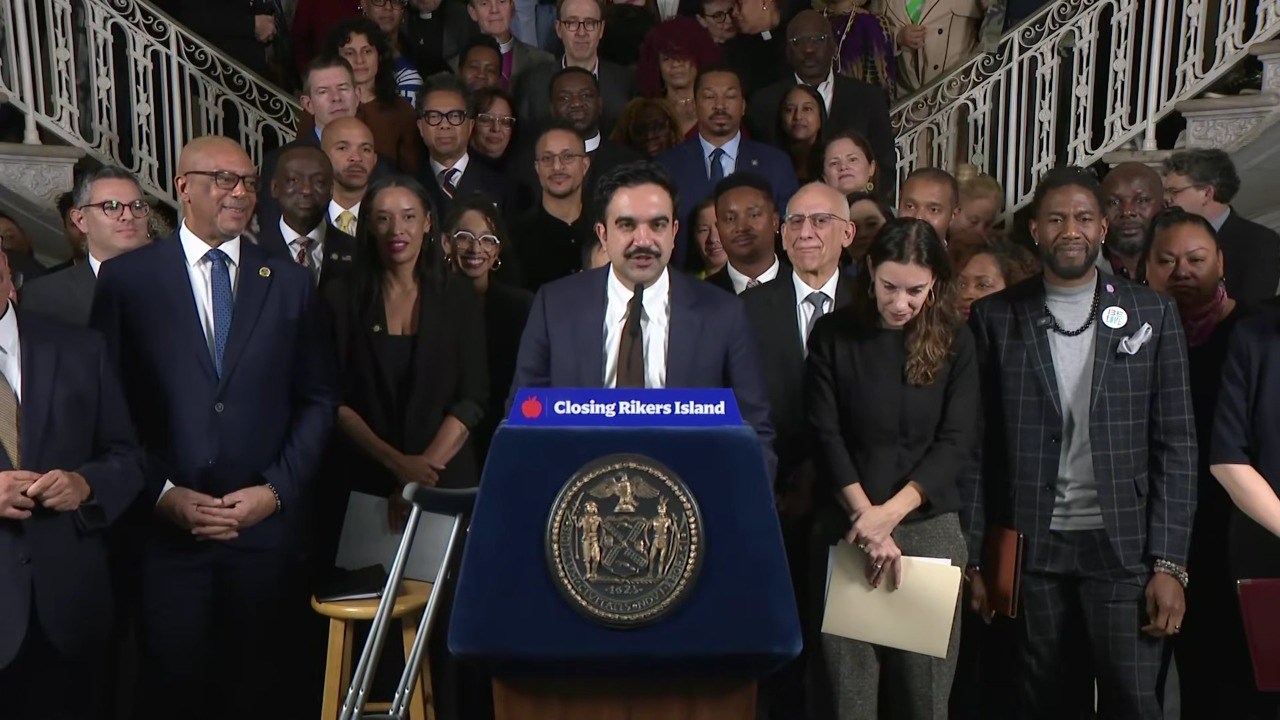
The Rikers Island jail complex has served as a symbol of systemic failure for decades, but a new timeline aims to change that. According to the BBC, Mayor Zohran Mamdani announced on Friday, November 20, 2026, a comprehensive plan to finally close the facility by 2032. This initiative seeks to replace the crumbling infrastructure with a more humane system, putting an end to a legacy of neglect that has plagued the island between Queens and the Bronx.
The complex has long been known by grim nicknames like ‘Gladiator School’ and ‘Torture Island’. Its history includes housing high-profile detainees such as Tupac Shakur, DMX, and Harvey Weinstein. Despite this, the daily reality for the more than 6,500 people held there has been defined by staffing shortages, safety concerns, and deteriorating conditions. Mamdani emphasized that officials have a moral imperative to move forward, stating, “It is time to finally close Rikers Island.”
The administration plans to build four smaller, borough-based jails to replace the massive complex. Of these facilities, the first is slated to open in Brooklyn by 2029, followed by locations in the Bronx and Queens by 2031, and finally Manhattan by 2032.
The new strategy involves a significant shift in how the city approaches detention
These new sites are designed to be closer to public transportation, courthouses, and the families of those in custody. The mayor’s office argues that this proximity will make it easier for people to maintain vital relationships and access legal counsel, which may lead to more stable outcomes post-incarceration.
Beyond infrastructure, the plan focuses on reducing the total detainee population. Mayor Mamdani aims to lower the number of people held in city jails to 4,100. This goal involves speeding up pretrial legal processes and offering alternative programs to detention.
The administration is also prioritizing mental health by creating hundreds of therapeutic beds. In fact, the city has already opened 104 therapeutic beds at Bellevue Hospital in Manhattan, successfully moving 100 people off the island. To further support these efforts, the city is investing $146 million into mental health care, substance use treatment, and vocational programming.
Not everyone is convinced that these changes will benefit public safety
The NYC Correction Officers’ Benevolent Association expressed skepticism, noting that the plan to cap the jail population at 4,100 is “ill-conceived, irresponsible and jeopardizes the safety of all New Yorkers, including our Officers.” The union claims that maintaining such a low population could lead to the release of individuals facing violent felony charges.
Dana Kaplan, who serves as the city’s Close Rikers Czar, disagrees with that assessment. She maintains that it is entirely possible to have fewer people in jail while keeping the city safe. She describes the plan as a generational opportunity to build a different type of detention system that treats people with dignity.
Previous attempts to shutter the facility have faced significant hurdles. While the city council originally voted to close Rikers by 2027, those plans were delayed due to logistical challenges and administrative lags. Mayor Mamdani pointed to the COVID-19 pandemic and difficulties under the previous administration as primary reasons for the setbacks. Last year, a federal judge even removed the facility from city control, appointing an independent monitor to oversee operations.
The current proposal is part of a broader vision for the future of the 413-acre island. As facilities on Rikers close, the city plans to transition the land for potential reuse, including renewable energy and sustainability projects. This represents a long-awaited shift for a site that has been a point of contention since the idea of closing it was first championed in 1979, a press release from the NYC Mayor’s Office states.
The updated timeline now heads to the New York City Council for approval
Many members have already indicated their support for the plan, viewing it as a necessary step to resolve a humanitarian crisis. Mamdani’s office is determined to move quickly, noting that the administration has already begun taking steps like closing the North Infirmary Command on the island and reviving property transfers to facilitate the transition.
For those who have spent years advocating for these changes, the announcement feels like a turning point. Supporters of the closure argue that the current jail system criminalizes poverty and disproportionately impacts Black and brown communities. By shifting resources toward community-based services, supportive housing, and better mental health care, the city hopes to break the cycle of incarceration.
The path ahead remains complex, as the city must balance construction timelines with the need to maintain security for staff and detainees. However, the administration remains committed to the goal. Mayor Mamdani summarized the sentiment of his office by stating, “We have a legal and moral obligation to Close Rikers.”
Have a tip we should know? [email protected]
Follow The Mary Sue: