Photographer receives an inquiry about shooting a class reunion, then gets scammed out of $4,000 instead of being paid: ‘Am I stupid?’
Sometimes, kindness doesn’t pay.
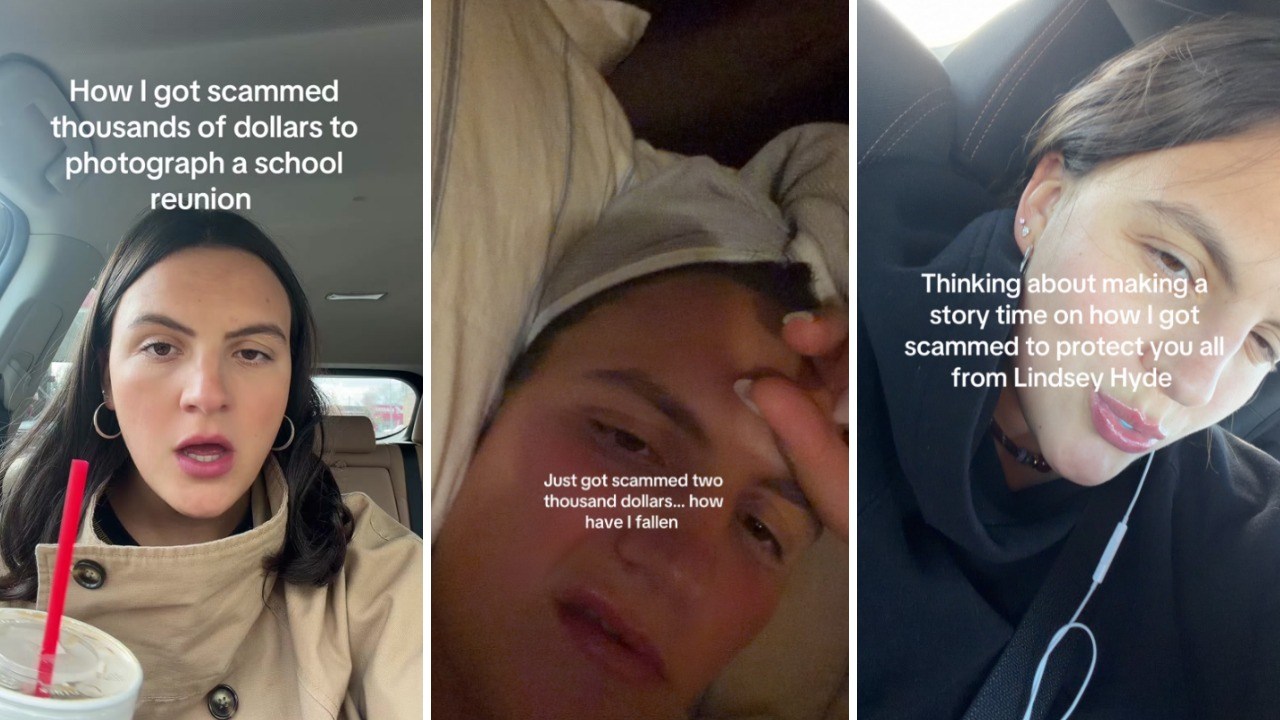
A photographer has shared a difficult personal experience after losing $4,000 in what appears to be a sophisticated overpayment scam. The creator, AimeeLynne, @amelialynnejohnson on TikTok, posted a detailed account around November 22, 2026, explaining how a seemingly standard inquiry to shoot a reunion turned into a significant financial loss.
Aimee reaches out to her audience with a vulnerable question. She asks, “Am I stupid?”, as she describes the series of events that led to her depleting her own funds while trying to assist a client. In the video, she says the process began with a professional-sounding inquiry from someone claiming to be a professor. Aimee agreed to the booking for $800, and the two exchanged messages for over a month to finalize the details.
The situation shifted when the client requested to pay by check, claiming she was not comfortable with online systems. The client then asked Aimee to use the extra funds from an incoming check to pay a third-party vendor, in this case, a DJ, because that person supposedly could not accept checks.
The red flags kept coming after that
Aimee describes a frantic sequence where she attempted to transfer money via Apple Cash and Zelle at the client’s request, only for the transactions to fail or appear as pending. Throughout this, the client remained in constant contact, often calling Aimee while she was working or out with her husband. Eventually, the client pressured her to purchase prepaid cards or use different platforms to move the money.
Although her husband raised concerns that the situation felt like a scam, Aimee had already sent the funds. Within a short time, the original check she deposited was revealed to be fraudulent, and the accounts she had sent money to were closed.
This story highlights a well-documented issue in the freelance community. The American Society of Media Photographers and the Better Business Bureau have issued warnings about this exact pattern. KTXS reports that scammers often pose as clients, such as magazine publishers, marketing firms, or event organizers, to build rapport with creative professionals. They provide professional contracts and realistic project descriptions to gain trust.
Once the freelancer is invested in the booking, the scammer sends a payment that is larger than the agreed fee. They then instruct the freelancer to forward the difference to a third party, like a makeup artist or stylist. After the freelancer sends their own real money to these third parties, the original payment is discovered to be fake. The bank then reverses the deposit, leaving the freelancer responsible for the loss.
Britni Casady, president and CEO of the Better Business Bureau serving Abilene and the Big Country, cautions, “These scams are becoming increasingly convincing. The contracts often look professional, include real company names, and may even reference legitimate businesses or publications. That’s why it’s critical to verify every opportunity before accepting payment or signing an agreement.”
A visible balance in your bank account does not confirm that a check has cleared or is valid
Banks often make funds available to customers before they have actually verified the source of the payment. This delay is the primary reason the scam works, as it gives the freelancer a false sense of security. When the bank eventually realizes the check is counterfeit, they remove the funds from the account, regardless of whether you have already forwarded money to a third party.
Industry experts emphasize that a legitimate client should never ask you to manage their payments to other vendors. If a client needs to pay a DJ or a videographer, they should handle those transactions directly. Any request to act as a middleman for money is a major red flag.
Freelancers are also encouraged to wait until payments have fully cleared with their bank before making any moves. It is also a good practice for freelancers to avoid using their own accounts to fund a client’s project expenses.
There are a number of things you can do if you find yourself in a similar situation
According to Malware Tips, the best course of action is to stop all communication and payments immediately. Contact your bank’s fraud department as soon as possible to report the suspicious check. Be honest about the fact that you may have been targeted by a scammer.
It also helps to preserve all records, including emails, text messages, and transaction histories, as these can help the bank investigate the incident. While it is easy to feel bogged down by embarrassment, Aimee turned her personal loss into a cautionary tale to warn other freelancers about these elaborate schemes.
She says that kindness isn’t always the best approach. The bottom line is that staying skeptical of unsolicited, overly generous offers can save you from significant financial trouble. Always prioritize your own payment security over the convenience of a new client, and never let an artificial deadline or an emotional plea rush you into transferring funds.
Casady sums up the need for caution accurately when she says, “Scammers know small business owners are eager for new opportunities. Taking a few extra minutes to verify an opportunity could save thousands of dollars.”
Have a tip we should know? [email protected]
Follow The Mary Sue: